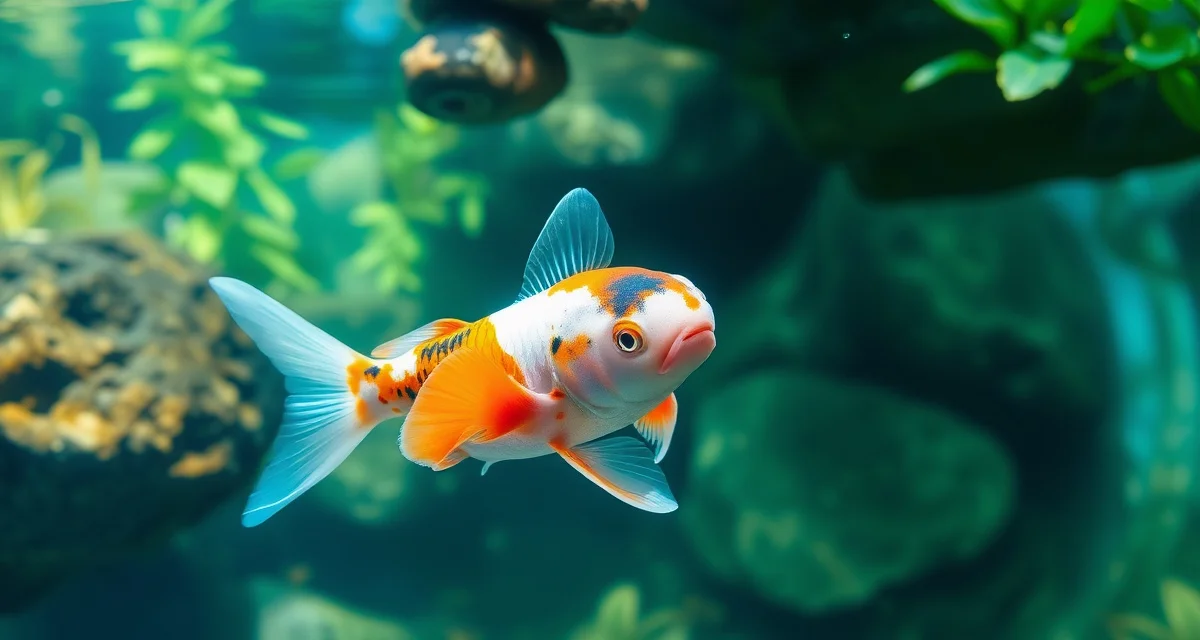
Tosai Koi Care: First-Year Koi Management Guide
Tosai are 3x more vulnerable to parasites than nisai due to underdeveloped immunity. This statistic shapes everything about first-year koi management. The first twelve months are when your koi's immune system, scale structure, and disease resistance are still developing. When the gaps in management hit hardest.
Most koi keepers who lose fish in the first year lost them to preventable causes: ammonia spikes in an under-cycled pond, parasites that went unnoticed until they were severe, or water temperature stress during transitions. This guide covers age-appropriate management for tosai (first-year koi) from purchase or hatch to their first winter.
TL;DR
- Specifically, it refers to koi from January 1st of their birth year through December 31st, regardless of whether they were born in March or September.
- After January 1st following their birth, they become "nisai" (second-year fish).
- In practical terms, most hobbyists are purchasing tosai at 6-15cm from dealers, breeders, or shows.
- Temperature difference of more than 2°C can cause cold/heat shock.
- Even 0.25 ppm suppresses their growth and immune function.
- Any temperature change faster than 1°C per hour is risky.
- Temperatures above 20°C drive rapid growth if nutrition is adequate.
What Tosai Means in Koi Keeping
"Tosai" is the Japanese term for a koi in its first year of life. Specifically, it refers to koi from January 1st of their birth year through December 31st, regardless of whether they were born in March or September. After January 1st following their birth, they become "nisai" (second-year fish).
In practical terms, most hobbyists are purchasing tosai at 6-15cm from dealers, breeders, or shows. These fish have usually been through initial culling, early disease screening, and basic conditioning, but they arrive in their most vulnerable state.
Why Tosai Are More Vulnerable
Young koi have immune systems that are functional but not fully developed. The adaptive immune response, the ability to recognize, respond to, and remember specific pathogens, is limited in first-year fish. What this means practically:
- Parasites establish more easily and multiply faster on young fish
- Bacterial infections escalate more quickly once established
- Stress (from handling, transport, water change, seasonal transitions) suppresses immunity more severely and for longer
- Response to disease is slower and outcomes are less predictable
This doesn't mean tosai are destined to be sick. It means you need to be more proactive: quarantine is longer and more thorough, monitoring is more frequent, and early intervention is more critical.
Receiving New Tosai: The First 48 Hours
The handling of new tosai in the first 48 hours sets up how well they adapt to your system.
Temperature matching: Float the transport bag or container in your quarantine tank for 20-30 minutes before releasing the fish. Temperature difference of more than 2°C can cause cold/heat shock.
Dechlorinated water only: If you're adding any water during transition, it must be dechlorinated. Young fish are more sensitive to chlorine and chloramine than adults.
No feeding for 24 hours: Let them settle. Their digestive system doesn't function properly when stressed. Feeding stressed fish adds ammonia to the water without benefit.
Minimize handling: Net only once during introduction. The more times you net tosai, the higher the stress load and the more likely you are to trigger a health event.
First observation period: Watch for the next several hours. Normal behavior: fish exploring the tank calmly, occasionally resting near the bottom. Concerning: gasping at the surface, frantic swimming, clamped fins, fish lying on the bottom.
Quarantine Protocol for Tosai
All new tosai go into quarantine before entering your main pond. Without exception. Young fish are disproportionately likely to be carrying subclinical parasites because their underdeveloped immunity allows parasite loads to build without the obvious distress signals you'd see in an older fish.
Quarantine minimum: 30 days
Quarantine setup for tosai:
- 200-500 gallon tank with established filtration (or a cycled sponge filter)
- Temperature maintained at 18-22°C (young koi do best in this range)
- Air pump and diffuser for supplemental aeration
- Minimal decoration. Visibility matters more than enrichment at this stage.
- No substrate. Bare bottom allows easy visual assessment of waste and dead skin.
Prophylactic treatment during quarantine:
- Salt at 0.2-0.3% for the duration of quarantine (supports osmoregulation, suppresses parasites)
- Potassium permanganate bath on day 3-5 if fish arrived from an unknown source
- Check for gill flukes and skin parasites at week 2. If parasites are present, treat before introducing to main pond.
Discharge criteria from quarantine:
- No active disease signs for the final 10 days
- Feeding normally and competitively
- Water parameters stable throughout quarantine
- Prophylactic treatments completed
KoiQuanta's tosai profiles apply higher monitoring frequency defaults due to age-group vulnerability. So your tracking system reflects the increased attention first-year fish actually need.
Feeding Tosai Correctly
Growth potential in tosai is high. This is the year of maximum growth rate for most koi varieties, and nutrition directly determines whether that potential is expressed.
Protein: Young growing koi need high-protein food. 35-40%+ protein content. This is higher than adult maintenance requirements. Premium growth formulas designed for koi are appropriate.
Feeding frequency:
- 20-24°C: 3-4 small feedings daily
- 18-20°C: 2-3 feedings daily
- Below 15°C: 1 feeding daily or less, switch to wheat germ
- Below 10°C: stop feeding entirely
Amount: Feed only what tosai consume in 2-3 minutes. Uneaten food in a small quarantine or grow-out tank causes rapid ammonia spikes. Young fish are less tolerant of ammonia than adults. Even 0.25 ppm suppresses their growth and immune function.
Hand feeding observation: Watch each feeding closely. Healthy tosai are competitive feeders. They rush to the food and compete actively. A tosai hanging back, not eating, or eating noticeably less than its pond mates is showing the first sign of a health problem. This is your earliest warning.
Water Quality Priorities for Tosai
First-year fish are more sensitive to koi pond water quality tracker failures than adults. The margins are smaller.
Ammonia: Zero tolerance. Any detectable ammonia in a tosai tank is an emergency requiring immediate action: water change, reduced feeding, filter check.
Nitrite: Same. Any nitrite in a healthy cycled tank is a warning sign. Check filter function immediately.
Temperature stability: Tosai are more sensitive to rapid temperature changes than adults. Any temperature change faster than 1°C per hour is risky. During spring and fall, when air temperatures fluctuate widely, outdoor ponds can have dramatic daily temperature swings. Monitor closely.
KH and pH: Ensure KH is above 80 ppm to provide pH buffering. pH crashes overnight in low-KH water are particularly dangerous for young fish.
Seasonal Management for Tosai
Summer (First Summer)
The first summer is typically the high-growth period. Temperatures above 20°C drive rapid growth if nutrition is adequate. But summer also brings:
- Higher disease pressure (parasites reproduce faster in warm water)
- Dissolved oxygen risk (water holds less oxygen at high temperatures)
- Risk of overfeeding (uneaten food in warm water crashes water quality rapidly)
Watch for oxygen stress signs in early mornings during heat spells: fish hanging at the surface, gathering near waterfalls. Have supplemental aeration available.
Fall Transition
As temperatures drop from 20°C toward 12°C, reduce feeding gradually and transition food to wheat germ. This matches the fish's reducing metabolic rate and prevents digestive problems from food sitting in a cold-water gut.
Fall is also when parasites left over from summer can establish as fish immune systems weaken with cooling water. Do a thorough visual inspection of all tosai at 15°C and again at 12°C.
First Winter
Young koi enter their first winter period more vulnerable than adults. Key points:
- Ensure the pond is deep enough (minimum 4 feet) that there's unfrozen water below the surface
- Don't break ice by hitting it. Percussion stresses koi in torpor.
- Stop feeding when water drops below 10°C
- If you're in a genuinely cold climate, consider housing tosai indoors or in a heated greenhouse through their first winter
Refer to the koi variety guide for variety-specific notes on first-year growth and care. For progressing to second-year management, see the nisai koi care guide.
Related Articles
FAQ
How do I care for tosai koi?
Tosai need the same fundamental water quality as all koi but with less tolerance for any parameter failure. Quarantine all new tosai for a minimum 30 days with prophylactic salt treatment and parasite checking. Feed high-protein food 3-4 times daily at appropriate water temperatures. Monitor closely. Young fish show early disease signs through feeding behavior changes and activity level, often before any visible symptoms appear. Keep water temperature stable and avoid rapid changes that stress developing immune systems.
What should I feed tosai koi for growth?
Feed high-protein koi food with 35-40%+ protein content 3-4 times daily when water is above 20°C. This is the peak growth season and nutrition drives whether the fish reaches its genetic potential. Reduce frequency and switch to wheat germ as temperatures drop below 15°C. Stop feeding entirely below 10°C. Each feeding should be only what the fish consume in 2-3 minutes. Overfeeding creates ammonia problems that are more harmful to young fish than they would be to adults.
Are tosai more prone to disease than older koi?
Yes. Tosai have incompletely developed adaptive immune systems and a lower capacity to suppress parasite loads and mount effective responses to bacterial challenges. They're roughly 3x more vulnerable to parasitic infestation compared to second-year fish. This means quarantine is more important for tosai, monitoring should be more frequent, and treatment needs to happen earlier when something is detected. The good news is that properly managed tosai, quarantined, fed well, kept in stable water, don't necessarily get sick. The vulnerability is relative, not absolute.
What is Tosai Koi Care: First-Year Koi Management Guide?
[FAQ_ANSWER_PLACEHOLDER: This answer needs to be generated by AI with specific data, examples, and actionable advice relevant to Tosai Koi Care: First-Year Koi Management Guide. Target 50-150 words.]
How much does Tosai Koi Care: First-Year Koi Management Guide cost?
[FAQ_ANSWER_PLACEHOLDER: This answer needs to be generated by AI with specific data, examples, and actionable advice relevant to Tosai Koi Care: First-Year Koi Management Guide. Target 50-150 words.]
How does Tosai Koi Care: First-Year Koi Management Guide work?
[FAQ_ANSWER_PLACEHOLDER: This answer needs to be generated by AI with specific data, examples, and actionable advice relevant to Tosai Koi Care: First-Year Koi Management Guide. Target 50-150 words.]
What are the benefits of Tosai Koi Care: First-Year Koi Management Guide?
[FAQ_ANSWER_PLACEHOLDER: This answer needs to be generated by AI with specific data, examples, and actionable advice relevant to Tosai Koi Care: First-Year Koi Management Guide. Target 50-150 words.]
Who needs Tosai Koi Care: First-Year Koi Management Guide?
[FAQ_ANSWER_PLACEHOLDER: This answer needs to be generated by AI with specific data, examples, and actionable advice relevant to Tosai Koi Care: First-Year Koi Management Guide. Target 50-150 words.]
Sources
- Associated Koi Clubs of America (AKCA)
- Koi Organisation International (KOI)
- University of Florida IFAS Extension Aquaculture Program
- Fish Vet Group
- Water Quality Association