Nisai Koi Care: Second-Year Koi Management Guide
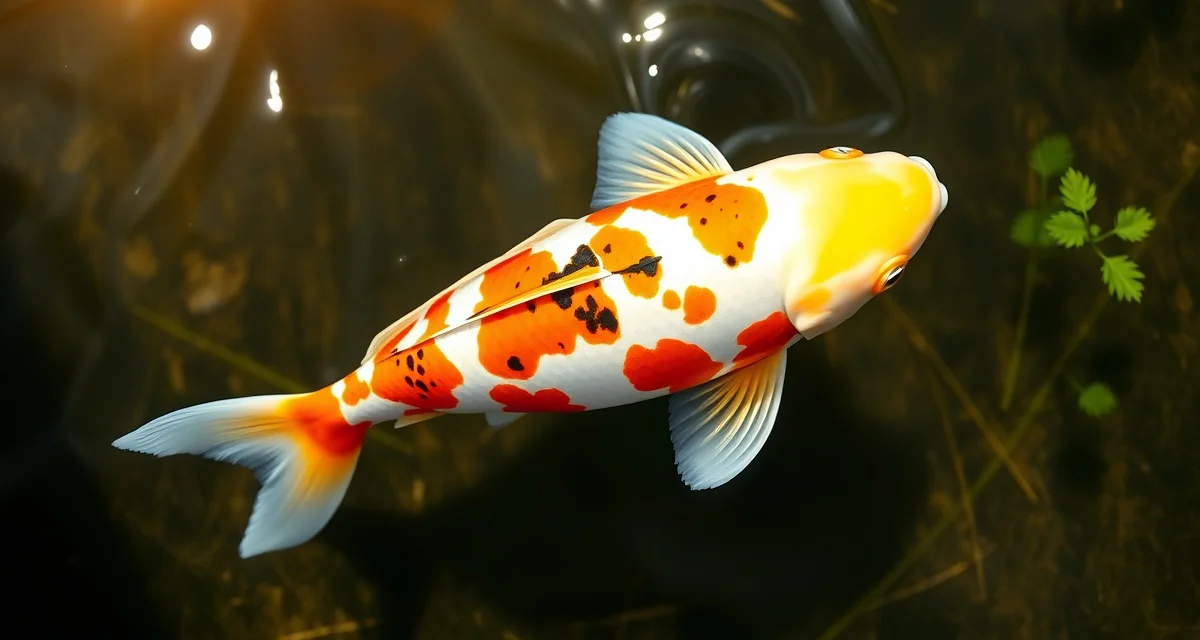
Nisai is the most important period for color and pattern development in most koi varieties. The fish you put in a grow-out pond as nisai and the fish you pull out 12 months later can look genuinely different. Pattern has developed and stabilized, color has deepened, body shape has matured from the somewhat rounded juvenile form toward the athletic torpedo shape of an adult koi.
Understanding second-year koi management means understanding what's actually happening during nisai: a rapid phase of pattern expression, color consolidation, and body development that sets the foundation for the adult fish.
TL;DR
- The fish you put in a grow-out pond as nisai and the fish you pull out 12 months later can look genuinely different.
- Nisai: The Key Differences In Japanese koi terminology, "tosai" (first-year koi) becomes "nisai" after January 1st following the year of birth, regardless of the birth month.
- Practically speaking, most hobbyists encounter nisai fish that are 12-18 months old, measuring 15-25cm depending on variety and growth conditions.
- Weekly water changes of 15-20% achieve this in most ponds.
- As water rises through 10-15°C, fish immune systems are reactivating and parasites are becoming active again.
- Tosai are first-year koi (from birth through December 31st of their birth year).
- Feed high-protein food (35-40%+) at appropriate frequency for water temperature, with color-enhancing carotenoids during the main growing season.
Tosai vs. Nisai: The Key Differences
In Japanese koi terminology, "tosai" (first-year koi) becomes "nisai" after January 1st following the year of birth, regardless of the birth month. Practically speaking, most hobbyists encounter nisai fish that are 12-18 months old, measuring 15-25cm depending on variety and growth conditions.
What changes at nisai:
- Immune system: Measurably more developed than tosai. Second-year fish have better parasite resistance and mount faster responses to bacterial challenges.
- Pattern stability: Nisai is when most variety patterns begin to "settle." The volatile early movements of hi and sumi that characterize tosai start to consolidate.
- Color depth: Hi in most varieties deepens and becomes more saturated during nisai compared to the somewhat lighter, less defined colors of tosai.
- Body shape: Nisai fish develop more defined body shape. Width, depth, and shoulder width become more predictable of adult conformation.
- Disease vulnerability: Still elevated compared to established adults, but reduced from tosai. This doesn't mean relaxing monitoring. It means the margins are slightly wider.
The Critical Period for Pattern Development
Why is nisai so important for color and pattern?
Most koi varieties express their definitive pigment patterns during the second year. The pigment-producing cells (chromatophores) that were developing and migrating during tosai reach their target positions and begin producing stable pigment. This is why:
- Kohaku hi that was blotchy or irregular in tosai often develops cleaner, sharper edges at nisai
- Sanke sumi that was gray or weak in tosai darkens and consolidates during nisai
- Showa sumi is particularly variable in this period. It can change notably between months, adding or losing coverage.
- Asagi hi begins to show its characteristic rise pattern
This variability is normal and expected. But it means the pattern you see in a nisai fish today may not be the pattern you see in three months. Track changes carefully with photographs.
Photography and Pattern Documentation
If there's one practice that separates serious koi keepers from casual ones at the nisai stage, it's consistent photographic documentation.
What to photograph:
- Direct overhead shot (the primary view for variety assessment)
- Side profile, left and right
- Head detail (important for Kohaku, Tancho, Asagi)
- Fin condition
How often: Monthly during the growing season (April-October), quarterly in winter. This seems frequent, but pattern changes during nisai can be substantial within a single month, particularly in spring and early summer.
Photo conditions: Consistent lighting matters. Bright overcast daylight is better than direct sun (which creates shadows and glare). Same time of day, same angle, same position in the pond or bowl.
KoiQuanta's nisai profiles track pattern development observations with photographic comparison. This gives you a searchable visual timeline for each fish that makes trend analysis straightforward. You're not trying to remember whether the Kohaku's main hi pattern was this shape in April or if it was different.
Feeding for Nisai Growth and Color
Second-year fish have real growth potential remaining. This is not the year to switch to maintenance feeding.
Protein: Continue high-protein food (35-40%+ protein) during the active growing season. Growth rate in nisai, while slower than the explosive rate of tosai in summer, is still substantial under good nutrition.
Color-enhancing elements: This is the period to be deliberate about carotenoid content in food. Astaxanthin and spirulina support hi depth and saturation during the critical period when pigment cells are consolidating their output. For Kohaku, Sanke, and Showa keepers, this matters. The quality of hi development at nisai influences adult color depth.
Feeding frequency:
- Water above 20°C: 2-3 times daily
- 15-20°C: once to twice daily, wheat germ introduction
- Below 15°C: once daily wheat germ
- Below 10°C: stop feeding
Monitoring competitive feeding: Watch each feeding session. Nisai that aren't competing normally for food are showing early health signs. At this stage, reduced appetite shows up before any visible symptoms. Catching it early means better treatment outcomes.
Water Quality Management
Nisai have better water quality tolerance than tosai but still need clean, stable conditions to express their full pattern potential.
Nitrate: Keep below 20 ppm during the period when pattern development is most active (spring to early fall). High chronic nitrate suppresses color development across all variety types. Weekly water changes of 15-20% achieve this in most ponds.
Ammonia and nitrite: Zero, as always. The growth phase of nisai means higher feeding rates and higher waste production. Monitor closely after any increase in feeding frequency.
Dissolved oxygen: 8 mg/L minimum. Growth and color development are metabolically intensive. Fish with oxygen limitation during this period show reduced growth and poorer color development.
Temperature and transitions: The spring transition from cold dormancy to active feeding is the highest disease risk event of the nisai year. As water rises through 10-15°C, fish immune systems are reactivating and parasites are becoming active again. Do a full health inspection at this transition point.
Disease Management in Nisai
Nisai are meaningfully more disease-resistant than tosai, but disease management can't be relaxed.
Spring disease window: As temperatures rise through the 10-18°C range, this is when Costia, gill flukes, and Aeromonas infections peak. The fish have been weakened by winter dormancy and the immune system hasn't fully reactivated. Inspect all nisai carefully at this stage and consider prophylactic potassium permanganate treatment if your pond had parasite issues the previous season.
Parasite monitoring: Even healthy second-year fish carry subclinical parasite loads. Regular observation for flashing behavior (rubbing against surfaces) is your best early warning. Clamped fins, excess mucus production, and surface-hanging behaviors precede visible symptoms.
Bacterial infection risk after pattern development: Pattern development in nisai sometimes involves localized scale changes as pigment migrates. Small areas of scale disturbance can be entry points for bacterial infection. Monitor any areas of unusual scale appearance closely.
Preparing for Koi Show Assessment
For keepers who show koi, nisai is the first show class where fish are genuinely assessed competitively. The pattern that's developing now determines show potential.
Show preparation for nisai:
- 8-12 weeks before showing, transition to color-enhancing food to support hi saturation
- Increase water change frequency to 20-25% weekly to improve color clarity
- Reduce stocking density if possible. Fish shown in cleaner, less competitive water display better color.
- Photograph every 2 weeks in the pre-show period and compare with your baseline photos to track progress
What judges look for in nisai:
- Body conformation for the variety (body shape appropriate to expected adult form)
- Pattern appropriateness and clarity for the variety
- Color quality (depth, uniformity, edge clarity for hi varieties)
- Overall impression of health and vitality
What to Expect by End of Nisai
By December of the nisai year, you should have a clear picture of:
- What pattern your koi will likely have as an adult
- Whether color development is on track for the variety
- Body shape development and any conformational characteristics
- The fish's behavioral characteristics (feeding competitiveness, social position in the pond)
The tosai koi care guide covers first-year management that leads into nisai. For variety-specific pattern expectations, see the koi variety guide.
Related Articles
- Ghost Koi Care Tracking: Health Management for Wild-Cross Koi
- Ginrin Koi Care Guide: Diamond Scale Care and Maintenance
FAQ
What is the difference between tosai and nisai koi?
Tosai are first-year koi (from birth through December 31st of their birth year). Nisai are second-year koi. The practical differences include better-developed immune systems in nisai, meaningful pattern and color development and stabilization during the nisai year, and a shift in body shape toward adult conformation. Nisai are more disease-resistant than tosai, though they still require careful monitoring. The nisai year is generally considered the most consequential for color and pattern development in most variety types.
How do I optimize nisai koi growth?
Feed high-protein food (35-40%+) at appropriate frequency for water temperature, with color-enhancing carotenoids during the main growing season. Keep nitrate below 20 ppm with regular water changes. Maintain dissolved oxygen above 8 mg/L. Ensure stocking density isn't limiting growth. Nisai in overcrowded ponds consistently underperform their genetic potential. Monitor growth with regular weighing or length measurement every 4-6 weeks during the growing season to confirm growth is on track.
When does koi pattern stabilize?
For most varieties, pattern reaches rough stability during the second and third year (nisai and sansai), with further refinement through years 3-5. Kohaku hi tends to stabilize in shape during nisai but may continue deepening in color through year 3-4. Sanke sumi often reaches near-final configuration by end of sansai. Showa sumi is the most variable. It can continue changing through year 4 and sometimes beyond. Temperature-dependent seasonal variation in color continues throughout a koi's life regardless of variety.
What is Nisai Koi Care: Second-Year Koi Management Guide?
[FAQ_ANSWER_PLACEHOLDER: This answer needs to be generated by AI with specific data, examples, and actionable advice relevant to Nisai Koi Care: Second-Year Koi Management Guide. Target 50-150 words.]
How much does Nisai Koi Care: Second-Year Koi Management Guide cost?
[FAQ_ANSWER_PLACEHOLDER: This answer needs to be generated by AI with specific data, examples, and actionable advice relevant to Nisai Koi Care: Second-Year Koi Management Guide. Target 50-150 words.]
How does Nisai Koi Care: Second-Year Koi Management Guide work?
[FAQ_ANSWER_PLACEHOLDER: This answer needs to be generated by AI with specific data, examples, and actionable advice relevant to Nisai Koi Care: Second-Year Koi Management Guide. Target 50-150 words.]
What are the benefits of Nisai Koi Care: Second-Year Koi Management Guide?
[FAQ_ANSWER_PLACEHOLDER: This answer needs to be generated by AI with specific data, examples, and actionable advice relevant to Nisai Koi Care: Second-Year Koi Management Guide. Target 50-150 words.]
Who needs Nisai Koi Care: Second-Year Koi Management Guide?
[FAQ_ANSWER_PLACEHOLDER: This answer needs to be generated by AI with specific data, examples, and actionable advice relevant to Nisai Koi Care: Second-Year Koi Management Guide. Target 50-150 words.]
Sources
- Associated Koi Clubs of America (AKCA)
- Koi Organisation International (KOI)
- University of Florida IFAS Extension Aquaculture Program
- Fish Vet Group
- Water Quality Association