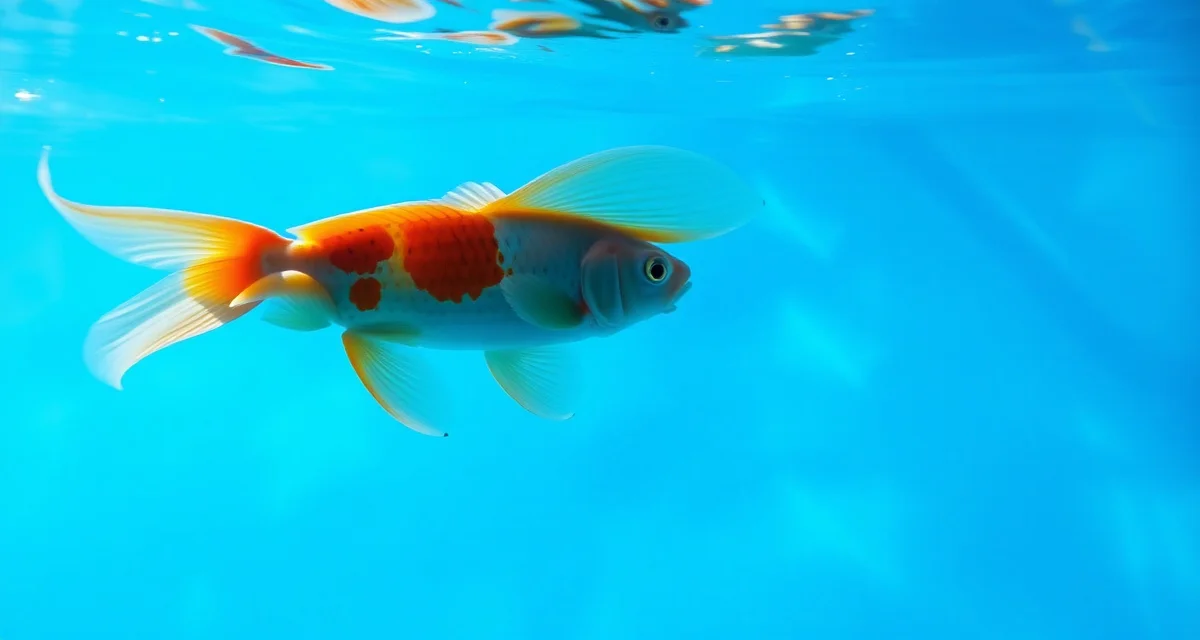
Butterfly Koi Health Management: Long-Fin Care and Disease Tracking
Butterfly koi long fins are three times more likely to develop fin rot than standard-fin koi. That's the key data point for anyone considering adding butterfly koi to their pond, and it explains why a separate health management approach for this variety makes sense.
The long, flowing fins that make butterfly koi so visually distinctive are also more exposed to the conditions that cause fin damage and rot. They drag along substrate. They get caught in equipment. Other fish nip at them. And in a pond with any reduction in koi pond water quality tracker, the fin tips are the first place bacterial infection establishes.
None of this means butterfly koi are not worth keeping. Many keepers love them passionately. It means keeping them well requires more attention to fin condition as part of routine health monitoring.
TL;DR
- If it's advancing further up the fin, proceed to stage 2.
- Anchor worms appear as thin threads, approximately 1-2mm in length, visible against the fin tissue when illuminated from the correct angle.
- For early-stage tip fraying, salt at 0.3% and improved water quality typically resolves the issue within 1-2 weeks.
- Stage 3 fin rot involving the fin base requires veterinary consultation and potentially antibiotic injection.
- Seasonal changes require adjusted monitoring schedules; automated reminders help maintain consistency.
Why Long Fins Are More Vulnerable
Standard koi fins are compact and relatively stiff. Butterfly koi fins are elongated, flexible, and in motion constantly. This creates more surface area exposed to potential damage, more contact with pond surfaces during normal swimming behavior, and more opportunity for fin tissue to be nipped by tankmates.
The fin tips are the furthest point from blood supply, which means they're the first area to show signs of oxygen deprivation from poor water quality or early bacterial infection. Fin rot in butterfly koi almost always starts at the tips and works inward. Catching it at the tip stage is far easier than dealing with infection that has reached the fin base.
Beyond fin rot, butterfly koi's long pectoral fins are prone to anchor worm (Lernaea) infestation. The trailing fin tissue provides more attachment surface than standard fin structures, and anchor worms embedded near the fin base can cause serious tissue damage.
Quarantine Special Considerations
Quarantine for butterfly koi requires attention to two things that don't apply to standard koi in the same way.
Net handling. Standard netting tears and damages butterfly fins easily. Use a fine-mesh soft net, work slowly, and avoid letting the fish thrash in the net. Better yet, use a fish sock or soft fabric landing net for moving and examining butterfly koi during quarantine procedures. Damaged fins at the start of quarantine create entry points for bacteria that can complicate your assessment of whether disease was present on arrival.
Tank environment. Remove any sharp decorations or rough edges from your quarantine tank. Butterfly koi drag their fins along the bottom more than standard koi do, and a rough substrate causes constant minor fin damage. A smooth quarantine tank bottom with no substrate is appropriate.
The complete quarantine guide covers quarantine setup. The butterfly-specific additions are about fin protection during the process.
Fin Health Monitoring Protocol
Weekly fin condition assessment should be part of routine butterfly koi care. You're looking for:
Fin tips: Any whitening, translucency, or fraying at the very tips. This is where fin rot starts. Fresh fin tip damage from mechanical injury (nipping or catching on equipment) looks clean and white. Early bacterial fin rot looks slightly fuzzy or ragged.
Fin edges along the entire length: Blood streaking at the fin edges indicates bacterial infection. In butterfly koi, blood streaking can extend partway up the long pectoral or caudal fins before obvious symptoms appear.
Fin base: The fin base is where serious infection lives if it's not caught early. Redness and swelling at the fin base indicates that fin rot has progressed considerably and antibiotic treatment is likely needed.
Long-fin damage detection checklist in KoiQuanta catches early fin rot, split fins, and anchor worm infestations before they reach the body. The checklist runs through each fin type with specific prompts for butterfly koi anatomy.
Treating Fin Rot in Butterfly Koi
Stage 1 (tip fraying only):
Improve water quality first. Check ammonia, nitrite, pH. Salt at 0.3% provides support. In many cases, correcting water quality and adding salt resolves tip-stage fin rot without medication.
Log the current fin condition in KoiQuanta with a photo. Recheck in 5 days. If the fraying edge is clean and not progressing, recovery is underway. If it's advancing further up the fin, proceed to stage 2.
Stage 2 (blood streaking, progressing toward fin base):
Antibiotic treatment is appropriate at this stage. Consult a vet for the appropriate antibiotic and dose for your fish weight and pond volume. Salt at 0.3% as supportive treatment. Daily observation with photos logged in the bacterial infection tracker.
Consider whether to isolate. If other fish are present, particularly if they're nipping the butterfly koi's fins, isolation reduces further damage during treatment.
Stage 3 (fin base involvement):
This requires veterinary consultation. Fin rot that has reached the base risks body ulceration and systemic bacterial infection. Antibiotic injection may be necessary. The prognosis for full fin recovery is reduced once rot reaches the base, but the fish's life can generally be saved with aggressive treatment.
Anchor Worm Inspection
Run your eye along the full length of each fin on butterfly koi during routine inspections. Anchor worms appear as thin threads, approximately 1-2mm in length, visible against the fin tissue when illuminated from the correct angle. They're often missed on standard koi fins but are more visible on the translucent trailing edges of butterfly koi fins.
Remove anchor worms with fine forceps, turning them slightly before pulling to disengage the anchor structure. Treat the attachment wound with Betadine. If anchor worms are found, the pond needs a treatment for larval stages that aren't yet visible.
Water Quality and Long-Fin Health
Fin tissue integrity is closely tied to dissolved oxygen and pH stability. Both low dissolved oxygen and unstable pH compromise the cellular integrity of fin tissue, making it more vulnerable to bacterial infection.
Priority parameters for butterfly koi:
- Dissolved oxygen above 7 mg/L consistently
- pH stable between 7.2 and 8.0
- Ammonia at 0 ppm
- Nitrite at 0 ppm
High water temperature above 28°C combines multiple stressors: reduced dissolved oxygen, higher bacterial activity, and increased stress on fin tissue. In hot weather, maintaining aeration and considering shading are practical management steps for butterfly koi ponds.
Handling Butterfly Koi Safely
Butterfly koi should never be netted aggressively. The fins catch and tear in conventional nets. When you do need to move a butterfly koi, wet your net first, work slowly, and if the fish is very large, use a sock-style net or a wide shallow basin rather than a deep net where the fins can fold and damage.
Keep them away from sharp intake screens on pumps and filter boxes. The long fins are drawn toward suction points more than standard koi fins, and contact with an intake screen damages fin tissue badly.
Frequently Asked Questions
How do I treat fin rot in butterfly koi?
Start with water quality assessment and correction, since fin rot is very often triggered by ammonia or nitrite spikes or pH instability. For early-stage tip fraying, salt at 0.3% and improved water quality typically resolves the issue within 1-2 weeks. For fin rot that has progressed to blood streaking along the fin, antibiotic treatment is appropriate after vet consultation. Stage 3 fin rot involving the fin base requires veterinary consultation and potentially antibiotic injection. Log all stages with photos in KoiQuanta's bacterial infection tracker to monitor progression and treatment response.
Are butterfly koi more disease-prone than standard koi?
Butterfly koi are not generally more susceptible to systemic diseases like KHV or bacterial septicemia. Their specific vulnerability is fin disease, where the long fins create more surface area for mechanical damage and bacterial infection than standard fins. Butterfly koi are also more prone to anchor worm infestation because the trailing fin tissue provides more attachment surface. These fin-specific risks are manageable with appropriate monitoring and housing that minimizes fin damage risk.
How do I quarantine butterfly koi without damaging their fins?
Use a smooth-bottomed quarantine tank with no abrasive substrate. Replace standard netting with a fine-mesh soft net or fish sock for any handling. Remove sharp objects from the quarantine environment. Check fins daily rather than the standard every-other-day observation schedule recommended for standard koi. Treat any fin damage that occurs during quarantine promptly rather than waiting to see if it resolves, since butterfly koi fin tip damage can progress to fin rot faster than the same damage on standard-fin koi.
What is Butterfly Koi Health Management: Long-Fin Care and Disease Tracking?
Butterfly koi health management is a specialized care approach for long-finned koi that addresses their unique vulnerability to fin rot, parasites, and physical fin damage. Because butterfly koi fins are three times more likely to develop fin rot than standard-fin koi, this practice involves routine fin condition monitoring, staged disease tracking, water quality management, and targeted treatment protocols designed specifically around the risks that come with longer fin tissue.
How much does Butterfly Koi Health Management: Long-Fin Care and Disease Tracking cost?
Butterfly koi health management is a practice, not a product, so there is no direct cost. However, maintaining a healthy butterfly koi pond typically involves water quality testing kits, salt treatments for early-stage fin rot, and occasional veterinary consultation for advanced infections. Budget for quality filtration, regular water testing, and a basic medication kit. Ongoing costs are modest if disease is caught early but can escalate significantly if fin rot reaches the fin base.
How does Butterfly Koi Health Management: Long-Fin Care and Disease Tracking work?
Effective butterfly koi health management works by monitoring fin condition across a defined staging system. Stage 1 is tip fraying, treated with 0.3% salt and water quality improvement. Stage 2 indicates rot advancing up the fin, requiring escalated treatment. Stage 3 involves the fin base and requires veterinary consultation and potentially antibiotics. Alongside fin staging, keepers track water parameters, watch for parasites like anchor worms, and log health observations to catch deterioration early.
What are the benefits of Butterfly Koi Health Management: Long-Fin Care and Disease Tracking?
The main benefits are catching fin rot and parasites before they become serious, reducing fish losses, and preserving the long flowing fins that make butterfly koi so visually striking. Systematic health tracking also helps identify water quality issues earlier, since fins respond first to degraded conditions. Keepers who monitor consistently spend less on emergency treatments and have healthier ponds overall, with fish that live longer and maintain better fin condition throughout their lives.
Who needs Butterfly Koi Health Management: Long-Fin Care and Disease Tracking?
Anyone keeping butterfly koi in a garden pond or indoor system needs this approach. It is especially important for keepers mixing butterfly koi with other fish, since fin nipping increases damage risk. Beginners who are new to koi keeping benefit most from a structured staging and tracking system because it removes guesswork about when to treat. Experienced keepers with multiple ponds also benefit by using consistent protocols to compare fish health across different water environments.
How long does Butterfly Koi Health Management: Long-Fin Care and Disease Tracking take?
Daily fin inspections take under five minutes once you know what to look for. Treating early-stage fin rot with salt and improved water quality typically resolves the issue within one to two weeks. More advanced stages require longer treatment windows and potentially weeks of monitoring to confirm recovery. Setting up a full health tracking routine from scratch takes a few hours initially, but becomes a quick daily habit that integrates naturally into regular pond maintenance.
What should I look for when choosing Butterfly Koi Health Management: Long-Fin Care and Disease Tracking?
Look for a management approach that includes a clear fin rot staging system so you know exactly when to escalate treatment, specific water quality thresholds tied to fin health, guidance on identifying parasites like anchor worms against fin tissue, and defined criteria for when veterinary help is needed. A good system also covers equipment safety to prevent fin entrapment and addresses how to manage fin health in mixed-species ponds where nipping is a risk.
Is Butterfly Koi Health Management: Long-Fin Care and Disease Tracking worth it?
Yes, if you keep butterfly koi. The long fins are genuinely higher risk for rot and damage, and without a structured monitoring approach it is easy to miss early signs until the infection is advanced and harder to treat. The investment in routine observation and basic treatment supplies is minor compared to the cost of losing fish or facing serious infections. For keepers who value the aesthetic appeal of butterfly koi, protecting those fins through consistent health management is simply part of keeping them well.
Related Articles
Sources
- Associated Koi Clubs of America (AKCA)
- Koi Organisation International (KOI)
- University of Florida IFAS Extension Aquaculture Program
- Fish Vet Group
- Water Quality Association