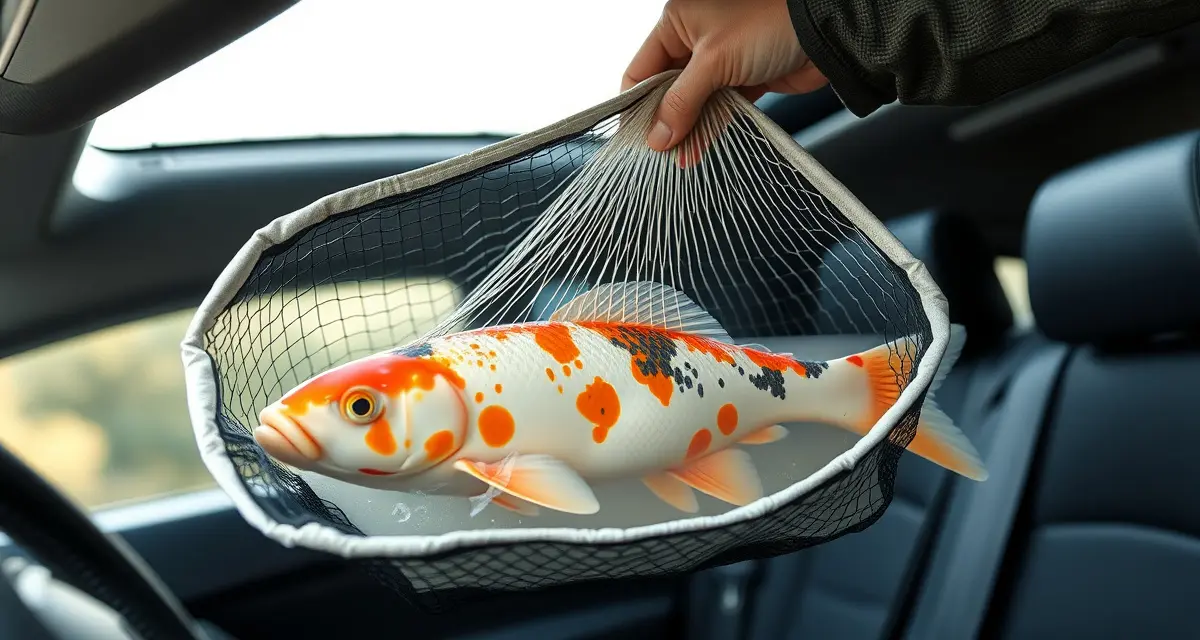
Koi Show Transport: Safe Handling and Logistics
Show transport is among the highest stress events in a koi's life - preparation determines outcomes. The stress of netting, bagging, vehicle transport, handling at the show, and return journey represents a concentration of physiological challenges in a 24-72 hour window. Fish that arrive at a show with compromised immune function from transport stress are more vulnerable to the disease exposure that shows represent.
KoiQuanta's show transport event logging triggers post-show koi quarantine program workflow automatically. No competitor covers show transport as a disease risk event that requires specific management before and after.
TL;DR
- The stress of netting, bagging, vehicle transport, handling at the show, and return journey represents a concentration of physiological challenges in a 24-72 hour window.
- A fish that's been fasted for 24 hours has much lower ammonia production during transport.
- Regular air in a sealed bag has approximately 21% oxygen.
- Fish metabolise this oxygen and produce CO2, and in a sealed bag, the oxygen depletes while CO2 accumulates.
- With air only: 2-4 hours is the safe maximum before oxygen depletion becomes a risk, especially in warm conditions.
- For show transport over more than 2-3 hours, use oxygen.
- Fill the show tank with show water (usually provided) and float the transport bag in the show tank water for 15-20 minutes to equilibrate temperature before release.
Pre-Transport Preparation
Water Preparation
The quality of the water in the transport bag determines the fish's condition throughout the journey. Prepare transport water from your pond:
Pre-bag koi pond water quality tracker: Test your pond water before preparing transport containers. Ammonia and nitrite should be zero. pH should be stable. If any parameter is off, fix it before transporting fish.
Salt in transport water: A low salt concentration (0.1-0.2%) in transport water reduces osmotic stress during the journey. Don't add medication to transport water - the fish needs clean, supportive water, not treatment stress.
Temperature: Bag water should match your pond temperature at departure. Temperature mismatches cause additional stress.
Pre-Transport Health Assessment
Only transport fish that are healthy. Fish with any signs of disease - clamped fins, lesions, reduced activity - should not go to a show:
- For welfare reasons: the stress of transport will worsen their condition
- For biosecurity reasons: you don't want to introduce disease to a show environment where it can spread to other keepers' fish
Do a health observation of each fish you plan to transport 24-48 hours before departure. Log this in KoiQuanta as the pre-transport health check.
Pre-Transport Fasting
Don't feed fish in the 24-48 hours before transport. Fish in transport bags produce ammonia through normal metabolism - feeding before transport increases the ammonia load in the bag significantly. A fish that's been fasted for 24 hours has much lower ammonia production during transport.
Bagging Koi for Transport
Bag Size and Volume
The transport bag should have enough water volume for the fish to be positioned comfortably without physical restriction. The fish shouldn't be bent or compressed in the bag.
A general guide for bag water volume:
- Fish under 30cm: 5-8 litres of water in the bag
- Fish 30-50cm: 10-20 litres
- Large fish over 50cm: 20+ litres
Air space in the bag should be at minimum equal to the water volume and ideally greater.
Oxygen
Oxygen - not air - is the correct gas for transport bags for any journey over 30-60 minutes. Regular air in a sealed bag has approximately 21% oxygen. Fish metabolise this oxygen and produce CO2, and in a sealed bag, the oxygen depletes while CO2 accumulates.
Pure oxygen in the bag maintains high oxygen concentration for much longer, allowing safe transport for many hours. Professional fish shippers use oxygen as standard for any significant journey.
How long can koi be transported in a bag?
With pure oxygen: safely 12-24 hours for most fish in properly prepared bags. With air only: 2-4 hours is the safe maximum before oxygen depletion becomes a risk, especially in warm conditions.
For show transport over more than 2-3 hours, use oxygen. This typically means purchasing an oxygen cylinder or finding a supplier who can fill bags with pure oxygen (aquatic retailers sometimes offer this service).
Insulation
Temperature stability during transport is important. If the show is in a different climate zone or if there's significant temperature difference between your pond and the show venue, insulation prevents temperature shock.
Polystyrene boxes are the standard insulation for koi transport. The bag goes inside the polystyrene box, which is then closed (and taped if necessary). The insulation maintains the water temperature within a few degrees of the starting temperature even during long journeys.
For summer transport on hot days, consider whether the vehicle is air-conditioned or whether additional cooling is needed to prevent overheating.
How to Handle Koi at the Show Site
Setting Up the Show Tank
Most shows provide show tanks (benching) that have aeration. Fill the show tank with show water (usually provided) and float the transport bag in the show tank water for 15-20 minutes to equilibrate temperature before release.
Introduce pond water from your bag gradually rather than dumping the bag contents - this acclimates the fish to the show water chemistry if it differs from your transport water.
Show Environment Risks
Shows are high-density fish environments. Fish from dozens of different operations share the same show space, water circulation systems are typically shared, and fish are handled and moved repeatedly. The disease exposure risk at a show is substantially higher than in a managed home pond environment.
This is why post-show quarantine is not optional - it's the most important quarantine event outside of new fish introduction.
Avoid sharing nets, bowls, or equipment with other exhibitors. Use your own equipment throughout the show.
Monitoring at the Show
Check your fish at the show at least twice daily. Log any observations in KoiQuanta - a fish that's showing subtle signs of stress at the show may be developing an early response to disease exposure that becomes apparent in the first week post-show.
Return Journey and Post-Show Quarantine
Re-bag fish for the return journey using fresh oxygen and clean water. The return journey transport protocol is the same as the outward journey.
On return home:
Don't return show fish to your main pond. They go to quarantine first. Fish that have been to a show have been exposed to fish from multiple other facilities. Even if they look perfectly healthy, they may be carrying pathogens they picked up at the show.
Post-show quarantine minimum: 2-4 weeks. This is shorter than new fish quarantine because you know the fish's history and health baseline, but long enough to detect any disease exposure that occurred at the show.
Elevated monitoring frequency in post-show quarantine: Daily observation for the first 2 weeks. This is when disease incubation period is most likely to produce visible signs if exposure occurred.
Log the show transport event in KoiQuanta. The system triggers the post-show quarantine workflow automatically, setting reminders for daily observations through the monitoring period.
Frequently Asked Questions
How do I transport koi to a show?
Fast fish for 24-48 hours before transport. Bag with enough water for comfortable positioning (no bending), use pure oxygen rather than air for any journey over 2-3 hours, and insulate bags in polystyrene boxes to maintain temperature stability. Test your water quality before bagging - ammonia and nitrite should be zero. Float bags in the show tank water for 15-20 minutes before releasing fish to equilibrate temperature. Use your own equipment throughout the show. On return, quarantine show fish for a minimum of 2-4 weeks before returning them to your main collection, regardless of their apparent health, because show environments involve multi-operation fish exposure.
How long can koi be transported in a bag?
With pure oxygen: 12-24 hours safely for most fish in correctly prepared bags, provided temperature is managed. With air only: 2-4 hours maximum before oxygen depletion becomes a risk, particularly in warm weather or when bags have more fish than water volume. For any show transport of more than 2 hours, use pure oxygen. Oxygen cylinders for bag inflation can be sourced from aquatic retailers or aquaculture suppliers. The combination of pure oxygen, appropriate water-to-fish volume ratio, insulation, and pre-transport fasting allows safe multi-hour transport that air-only bagging can't achieve.
How do I handle koi at the show site?
At the show, float your transport bags in the show tank water for 15-20 minutes before releasing fish to equilibrate temperature. Introduce water gradually rather than dumping the bag. Use your own nets and equipment throughout - don't share with other exhibitors. Check fish at least twice daily at the show and log any observations. On the return journey, re-bag with fresh oxygen and clean water for the trip home. When you return, go directly to your quarantine facility - not your main pond. Post-show quarantine of 2-4 weeks with daily observation for the first two weeks is the correct protocol following any show participation.
What is Koi Show Transport: Safe Handling and Logistics?
Koi show transport refers to the process of safely moving koi fish to and from competitive shows. It covers every stage of the journey — fasting fish beforehand, bagging with pure oxygen, managing water temperature during transit, handling at the show venue, and the return trip. Because this 24-72 hour window concentrates multiple stressors, proper logistics are essential to prevent immune suppression and disease vulnerability.
How much does Koi Show Transport: Safe Handling and Logistics cost?
There is no single cost for koi show transport — expenses vary based on distance, fish size, and equipment. Key costs include oxygen-filled transport bags, insulated containers or show tanks, water conditioners, and salt for stress reduction. For long-distance shows, you may also factor in fuel or shipping fees. Investing in proper equipment upfront is far cheaper than treating a sick fish after a poorly managed journey.
How does Koi Show Transport: Safe Handling and Logistics work?
Show transport works by minimising physiological stress at every stage. Fish are fasted 24 hours before bagging to reduce ammonia production. Bags are filled with pure oxygen rather than air, extending safe transit time from 2-4 hours to 8+ hours. Temperature is stabilised during travel. At the show, fish are acclimated carefully before entering display tanks, and the same controlled process is reversed on the return journey.
What are the benefits of Koi Show Transport: Safe Handling and Logistics?
Proper show transport protects your fish's health, preserves their condition scores, and reduces disease risk. Fasting lowers ammonia buildup. Pure oxygen prevents hypoxia. Stable temperatures prevent immune suppression. Fish that arrive in good condition perform better in judging and recover faster post-show. For serious hobbyists, well-managed transport also reduces the likelihood of introducing pathogens to your home pond after the show.
Who needs Koi Show Transport: Safe Handling and Logistics?
Anyone who enters koi in competitive shows needs to understand safe transport logistics — from first-time exhibitors to experienced breeders. It is also relevant to hobbyists purchasing fish at show auctions, dealers transporting stock between venues, and koi clubs organising group events. Any time a fish leaves its home pond for more than a few hours, the principles of show transport apply.
How long does Koi Show Transport: Safe Handling and Logistics take?
A typical koi show transport event spans 24-72 hours from start to finish. Pre-transport fasting takes 24 hours. The journey itself can range from a couple of hours to a full day depending on distance. Time at the show adds further duration before the return trip. Post-show, a mandatory quarantine period of 30 days is strongly recommended before reintroducing fish to your main pond.
What should I look for when choosing Koi Show Transport: Safe Handling and Logistics?
Look for a systematic approach that covers every phase: pre-transport preparation, bagging method, oxygen versus air, temperature management, and post-show quarantine. Avoid shortcuts like skipping the fast or using sealed air-only bags for long journeys. If using a transport service, confirm they use pure oxygen, insulated containers, and clean water. Digital tools like KoiQuanta that log show transport events and trigger quarantine workflows automatically are worth considering.
Is Koi Show Transport: Safe Handling and Logistics worth it?
Yes — for any koi keeper who values their fish, proper show transport practice is absolutely worth it. Shows expose fish to unfamiliar water, crowded conditions, and pathogens from other collections. Without careful handling, immune-suppressed fish return home as disease vectors. The time and modest cost invested in correct bagging, oxygen, temperature control, and post-show quarantine protects both your show fish and every fish in your home pond.
Related Articles
- Nitrite in Koi Ponds: Safe Levels and Treatment
- Entering Koi in a Show: Step-by-Step Application Guide
Sources
- Associated Koi Clubs of America (AKCA)
- Koi Organisation International (KOI)
- University of Florida IFAS Extension Aquaculture Program
- Fish Vet Group
- Water Quality Association