How to Use Potassium Permanganate on Koi: Safe Dosing Guide
Potassium permanganate overdose at 4 ppm causes chemical burns and hemorrhage in koi gills within minutes of exposure. This is why potassium permanganate (PP) is one of the most effective koi treatments and one of the most dangerous. The therapeutic dose and the toxic dose have a narrower margin than most medications used in koi management. Manual calculations routinely miss the organic load correction that makes PP safe and effective in your specific pond.
KoiQuanta's organic-load-corrected potassium permanganate calculation prevents the oxygen-depleting overdose that kills koi during parasite treatment. The calculator accounts for your pond's actual organic content, not a generic assumption.
TL;DR
- In a clean, freshly filled koi quarantine program system with crystal-clear water, the stated dose of 2 ppm achieves close to 2 ppm of PP actually active against parasites.
- In an established outdoor koi pond with good biological filtration but six months of organic accumulation, the same 2 ppm dose may be entirely consumed by organic compounds before it contacts a single parasite.
- This color change is your real-time indicator of treatment progress: Purple/dark purple color persisting for 4 to 8 hours: Good indication of effective dose.
- The starting therapeutic range is 2 to 4 ppm, with the appropriate specific dose depending on organic load.
- The color should persist for at least 2 to 4 hours for effective treatment time.
- Rapid fading to brown or clear within 15 to 30 minutes indicates the dose was consumed by organic load before completing effective treatment.
What Potassium Permanganate Does
PP is a powerful oxidizing agent that kills protozoan parasites, bacteria, and some fungi through oxidative chemistry. It's effective against:
- Costia (Ichthyobodo necator)
- Trichodina
- Gill flukes (Dactylogyrus) at appropriate doses
- Skin flukes (Gyrodactylus)
- External bacterial infections
- Some fungal infections
PP is particularly valued for treating parasites affecting the gill tissue, where many other treatments penetrate poorly. It's also effective as a whole-pond treatment for large outdoor ponds where treating individual fish isn't practical.
The Organic Load Problem
Here's the critical factor that many PP guides skip over: potassium permanganate reacts with dissolved organic compounds in the water before it reacts with parasites. Every molecule of PP that reacts with dissolved organics (fish mucus, waste, uneaten food particles, algae) is consumed before it can contact a parasite.
In a clean, freshly filled quarantine system with crystal-clear water, the stated dose of 2 ppm achieves close to 2 ppm of PP actually active against parasites.
In an established outdoor koi pond with good biological filtration but six months of organic accumulation, the same 2 ppm dose may be entirely consumed by organic compounds before it contacts a single parasite. The dose was ineffective, and you've exposed your fish to the stress of a chemical treatment for nothing.
To compensate, you need to dose higher in organic-rich water. But this creates the toxicity risk: if you dose high enough to be effective in organic-rich water, you may be overdosing relative to what the fish can tolerate once the organics are consumed.
KoiQuanta's PP calculator addresses this by asking you to assess your pond's organic load:
- Low organic load (clear water, recently established or freshly cleaned pond): Standard 2 ppm dose
- Moderate organic load (established pond, slightly green or cloudy water): Dose adjustment upward to 3 to 3.5 ppm
- High organic load (dense green water, heavily stocked pond): Higher dose with close monitoring
The calculator then provides the actual weight of PP crystals to add to your pond volume at the adjusted dose.
The Color Change Method
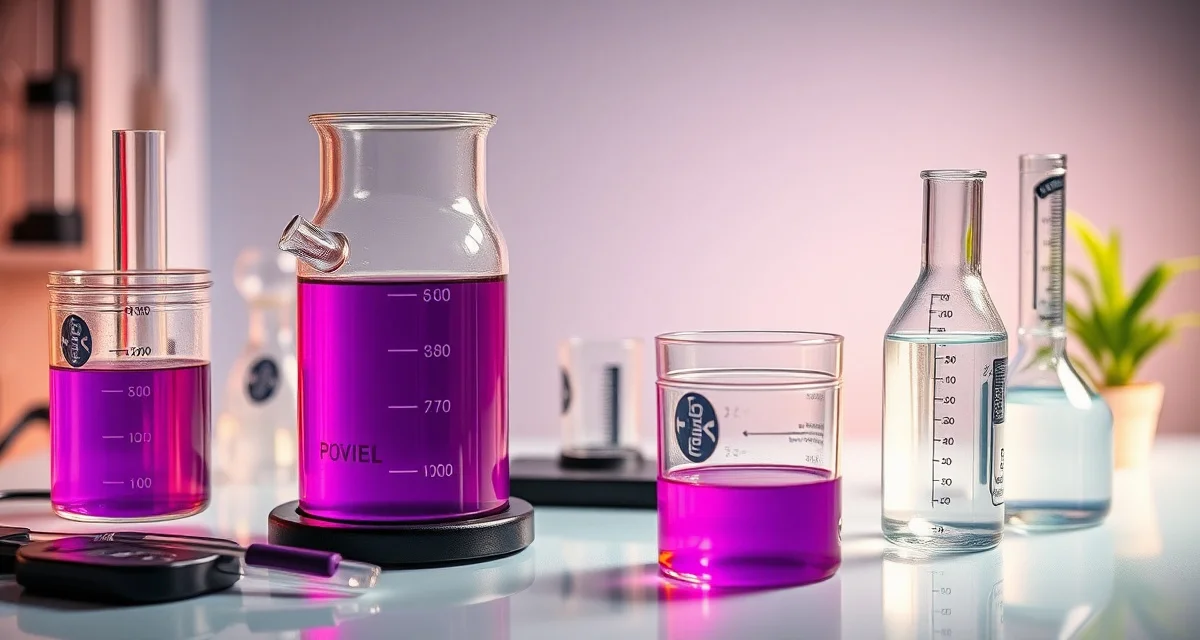
PP in water produces a distinctive pink to purple color. As the PP reacts and is consumed, the color fades from purple toward brown or clear. This color change is your real-time indicator of treatment progress:
Purple/dark purple color persisting for 4 to 8 hours: Good indication of effective dose. The PP is still active.
Color fading to pink/pale purple within 15 to 30 minutes: The dose was likely inadequate for the organic load. PP was consumed by organics before effective treatment time elapsed.
Immediate decolorization (clear within 5 to 15 minutes): Very high organic load has consumed the entire dose almost instantly. This concentration was not sufficient for your pond. Do not immediately redose. Wait and reassess.
Color persisting over 12 hours as deep purple/brown: Possible overdose or very low organic load. Monitor fish carefully and be prepared to neutralize.
Neutralizing PP in an Emergency
If fish show severe stress signs during PP treatment (gasping, listing, hemorrhagic red areas developing), neutralize immediately using hydrogen peroxide (3% solution, pharmacy grade) at 1.25 times the PP dose by volume. This consumes the remaining PP rapidly.
Have hydrogen peroxide ready before any PP treatment as an emergency measure. Log the neutralization in KoiQuanta with the time and hydrogen peroxide quantity used.
The potassium permanganate dose calculator in KoiQuanta provides the full dose calculation including organic load correction. The gill disease management guide covers PP's use for gill-specific conditions.
Frequently Asked Questions
How do I know what concentration of PP to use?
Use KoiQuanta's organic-load-corrected PP calculator, which adjusts the dose based on your pond's estimated organic content. The starting therapeutic range is 2 to 4 ppm, with the appropriate specific dose depending on organic load. Don't use a flat dose recommendation from a generic guide. The organic load adjustment is what makes PP safe and effective in your specific pond.
What color should the water turn after adding potassium permanganate?
After adding PP, the water should turn pink to purple. The shade depends on your dose and the water color before treatment. The color should persist for at least 2 to 4 hours for effective treatment time. Rapid fading to brown or clear within 15 to 30 minutes indicates the dose was consumed by organic load before completing effective treatment.
How do I neutralize potassium permanganate in an emergency?
Use 3% hydrogen peroxide at 1.25 times the volume of PP solution added. Pour slowly around the pond edges. This neutralization reaction is rapid. Have hydrogen peroxide prepared before beginning any PP treatment. Log the emergency neutralization in KoiQuanta with time, hydrogen peroxide quantity, and fish response before and after.
What is How to Use Potassium Permanganate on Koi: Safe Dosing Guide?
Potassium permanganate (PP) is a chemical compound used to treat koi parasites, bacterial infections, and fungal conditions. This safe dosing guide explains how to calculate the correct therapeutic dose for your specific pond, accounting for organic load — the critical variable most hobbyists overlook. Because the margin between an effective dose (2 ppm) and a toxic dose (4 ppm) is extremely narrow, understanding proper application technique is essential before treating your fish.
How much does How to Use Potassium Permanganate on Koi: Safe Dosing Guide cost?
The guide itself is free educational content on KoiQuanta. Potassium permanganate crystals are inexpensive and widely available from koi suppliers and online retailers, typically costing a few dollars per ounce. The real investment is KoiQuanta's organic-load-corrected PP calculator, which helps you determine the actual dose needed for your pond — potentially saving the cost of losing koi to an underdose that fails treatment or an overdose that burns gills.
How does How to Use Potassium Permanganate on Koi: Safe Dosing Guide work?
Potassium permanganate works as a powerful oxidizer that destroys parasites, pathogens, and organic matter on contact. When dissolved in pond water at therapeutic levels, it kills external parasites like flukes, costia, and trichodina. The key mechanism is the color change: active PP appears purple. As it reacts with organics and parasites, it turns brown and is neutralized. Effective treatment requires purple color persisting for 4 to 8 hours, confirming the dose remained active long enough to work.
What are the benefits of How to Use Potassium Permanganate on Koi: Safe Dosing Guide?
Used correctly, potassium permanganate treats a broad spectrum of koi health issues in a single application — external parasites, bacterial gill disease, and fungal infections simultaneously. Unlike salt or formalin, PP breaks down into harmless manganese dioxide, leaving no persistent chemical residue. An organic-load-corrected dose ensures the full therapeutic concentration actually reaches parasites rather than being consumed by pond organics before contacting any fish, making treatment both safer and more effective.
Who needs How to Use Potassium Permanganate on Koi: Safe Dosing Guide?
Any koi keeper treating fish for external parasites, gill disease, or persistent infections needs this guidance. It is especially critical for owners of established outdoor ponds with biological filtration and organic accumulation, where a standard 2 ppm dose may be completely neutralized before reaching a single parasite. Hobbyists treating fish in bare quarantine tanks have a more predictable baseline, but understanding PP mechanics is essential for anyone incorporating it into a koi health management protocol.
How long does How to Use Potassium Permanganate on Koi: Safe Dosing Guide take?
A potassium permanganate treatment session typically runs 4 to 8 hours for a full bath treatment, or shorter for a dip. You monitor the water color throughout: sustained purple indicates an active, working dose. If the water turns brown within the first hour, your organic load consumed the PP and the treatment has likely failed. The dosing calculation itself takes only minutes using KoiQuanta's calculator once you know your pond volume and have assessed water clarity.
What should I look for when choosing How to Use Potassium Permanganate on Koi: Safe Dosing Guide?
When evaluating any PP dosing guide, prioritize one that accounts for organic load correction — not just pond volume. A guide that gives a flat 2 ppm recommendation without addressing water quality variables is incomplete and potentially dangerous. Look for clear color-change indicators, neutralization instructions using hydrogen peroxide for emergencies, dissolved oxygen warnings, and guidance on retreatment timing. KoiQuanta's calculator incorporates organic load as an input variable, which is the factor that separates a safe effective treatment from a failed or lethal one.
Is How to Use Potassium Permanganate on Koi: Safe Dosing Guide worth it?
Yes, for any koi keeper using potassium permanganate. PP is one of the most versatile and effective treatments available, but its narrow therapeutic window makes it one of the highest-risk medications in koi keeping. Koi have died from PP overdoses that caused chemical burns and gill hemorrhage within minutes. A reliable dosing framework that factors in your pond's specific organic load is not optional — it is the difference between a successful parasite treatment and a preventable fish loss.
Related Articles
Sources
- Associated Koi Clubs of America (AKCA)
- Koi Organisation International (KOI)
- University of Florida IFAS Extension Aquaculture Program
- Fish Vet Group
- Water Quality Association