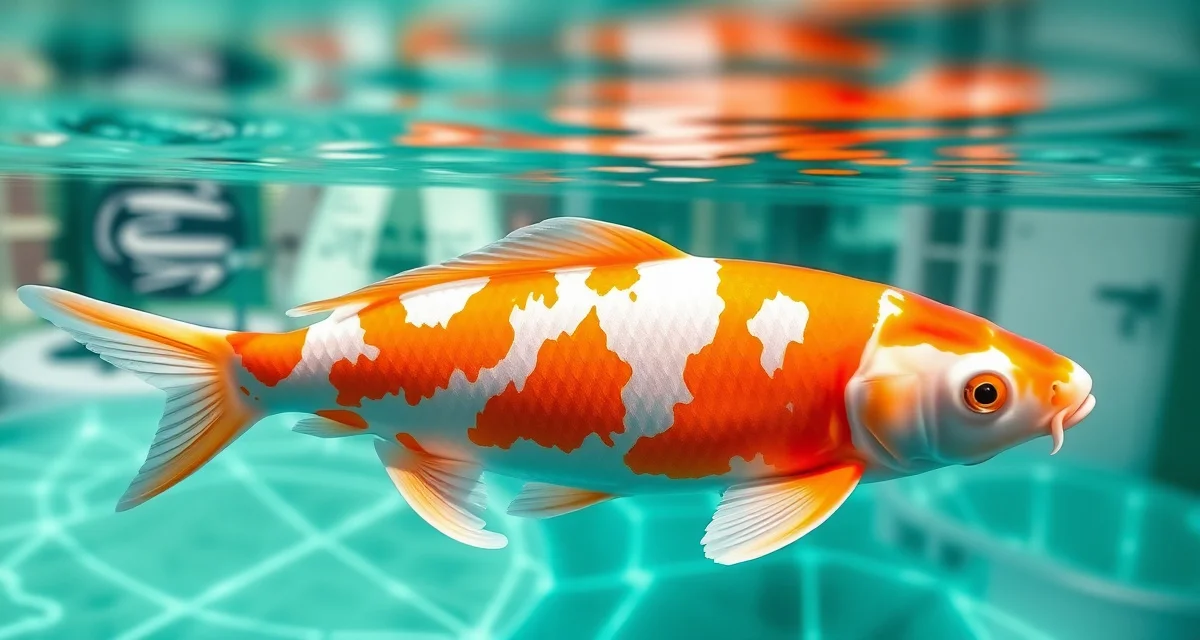
Buying Koi at Auction: ZNA and AKCA Show Auctions
Show auction koi have been exposed to hundreds of other fish -- extended quarantine is essential. This is the most important thing to understand before you spend money at a koi auction. The quality of fish at major show auctions is genuinely exceptional, and prices can be lower than retail for comparable fish. But every fish at a show has mixed with a large population from diverse sources, which creates biosecurity risk that you have to take seriously.
KoiQuanta's auction purchase intake form triggers an immediate quarantine setup workflow, prompting you to set up the tank, document each purchase, and begin the observation protocol before fish arrive home.
TL;DR
- A fish that looks like a bargain at $150 costs considerably more by the time it's cleared quarantine.
- For show auction fish, many experienced keepers extend this to 8-12 weeks.
- KoiQuanta connects observations, water data, and treatment records in one searchable history.
- Early detection based on parameter trends reduces treatment costs and fish stress.
- Seasonal changes require adjusted monitoring schedules; automated reminders help maintain consistency.
How Koi Auctions Work
The major koi auctions in the US take place at ZNA (Zen Nippon Airinkai, the Japanese koi society) and AKCA (Associated Koi Clubs of America) sanctioned shows. These shows include a judged competition, a vendor area, and an auction where fish are sold to the highest bidder.
ZNA auctions: ZNA-affiliated club shows are the traditional Japanese koi show format. The auction fish are often entered by breeders, dealers, and collectors -- a mix of Japanese-import quality fish and domestically bred koi. Competition fish that don't place as expected sometimes come to auction at below-retail prices.
AKCA show auctions: Similar format, typically organized by the host club. Fish are donated by vendors or consigned by members. Quality varies more than at ZNA shows, but bargains are genuinely available.
Regional club auctions: Beyond the national shows, regional club auctions happen throughout the year at local and regional shows. These are good venues for hobbyist-grade fish and sometimes produce surprises from experienced breeders who bring fish down for a local event.
How bidding works: Fish are typically displayed in tanks before the auction, with viewing periods where buyers can observe fish behavior and condition. Fish are then auctioned individually or in lots. Bring your own net to catch fish for closer inspection during viewing -- most auctions allow handling with permission. Understand the payment and transport arrangements before bidding.
What to Look for When Buying Koi at Auction
The auction environment creates time pressure that can lead to poor decisions. Having a pre-defined evaluation checklist matters more at auction than at a dealer, where you have time to deliberate.
Body conformation first: Before you look at pattern or color, assess the body shape. Straight dorsal line, torpedo-shaped body, symmetrical fins, no deformities. A beautiful pattern on a fish with poor body conformation is a fish that won't develop well.
Swim pattern and posture: Watch how the fish holds position in the water. Fins should be held erect and open, not clamped. The fish should swim actively and maintain position effortlessly. A fish that struggles to maintain depth, tilts, or holds fins clamped may be stressed from the show environment or may have an underlying issue.
Skin quality: At viewing, look for skin luster -- the metallic sheen that indicates good skin quality independent of color. Dull or patchy skin can indicate stress, poor health, or simply poor genetics. High-quality skin has visible depth.
Signs of injury or disease: Check fins for fin rot, look along the body for ulcers or raised scales, check around the mouth. Show fish get bumped and stressed -- some damage is expected. But significant ulceration or fin erosion suggests a fish that arrived at the show already compromised.
Pattern and coloration: Evaluate pattern for the variety's specific standards. On kohaku, look for clarity of the red-white border (kiwa), pattern balance, and head pattern. On showa, assess the relationship between red, white, and black. Pattern evaluation is variety-specific -- research the standards for whatever varieties you're targeting before attending.
Avoid bidding on:
- Fish with visible lesions or ulcers
- Fish with noticeably clamped fins during the observation period
- Fish that are gasping, flashing, or showing erratic behavior
- Fish with visible parasites (white spots, gold dust)
Bidding Strategy at Koi Auctions
Set your budget before viewing. It sounds obvious but auction energy is real -- determine your maximum for each fish you're considering during calm viewing, not during bidding. Write it down.
Factor in post-auction costs: Purchase price isn't your total cost. Add quarantine supplies, transport, and the extended post-show quarantine period. A fish that looks like a bargain at $150 costs considerably more by the time it's cleared quarantine.
Don't get into bidding wars for marginal fish. The psychological pull of competition can push you past what a fish is worth. If you hit your pre-set limit, stop.
Timing matters: Early lots in long auctions sometimes go for less as the audience is still settling in. Late lots in a long day sometimes go cheap as buyer fatigue sets in and competition thins. Mid-auction is often the peak competition period.
Buying lots vs. individuals: Some auctions sell lots of multiple fish. Lots can be good value if the quality is consistent, but you're committed to quarantining and handling all of them. Only buy lots if your quarantine capacity can handle the volume.
Post-Auction Quarantine: Why It's Different
Standard new fish quarantine is 4-6 weeks. For show auction fish, many experienced keepers extend this to 8-12 weeks. Here's why:
Show exposure is maximum-risk exposure. Fish at a show have mixed water with fish from dozens or hundreds of sources. Biosecurity at shows is imperfect regardless of organizer efforts. You don't know what any other fish in the facility was carrying.
Stress suppresses immune function. Show fish have been stressed by transport, handling, judging, and display. Their immune systems are compromised at exactly the time they've had peak exposure to disease.
Some diseases have long incubation periods. KHV can incubate for weeks before clinical signs appear. An extended quarantine period means you see the full range of potential disease presentations before introducing fish to your main pond.
What extended post-show quarantine looks like:
- 8-12 week quarantine minimum
- PCR testing for KHV if you're in a KHV-naive pond and buying from a show with Japanese-import fish
- Prophylactic treatment for common external parasites (fluke treatment at minimum)
- Daily observation through the full quarantine period
- Separate facility from any other quarantined fish
For the detailed quarantine protocol after show purchase, the quarantine koi after show guide covers the full protocol. For the general framework for buying koi, the koi buying guide covers selection and sourcing broadly.
Frequently Asked Questions
How do koi auctions work?
Koi auctions are typically held at koi shows organized by ZNA, AKCA, or regional clubs. Fish are displayed in tanks before the auction for a viewing period where buyers observe the fish and assess quality. Fish are then auctioned individually or in lots, with the highest bidder winning. Payment, transport arrangements, and rules vary by auction -- confirm these logistics before bidding. Viewing periods allow you to catch and examine fish closely. Having a list of what you're looking for in advance, and pre-set budgets per fish, keeps the auction energy from pushing you into poor decisions.
What should I look for when buying koi at auction?
Evaluate body conformation first: straight dorsal line, torpedo shape, symmetrical fins. Then assess swim pattern -- fins should be erect and open, swimming effortless and balanced. Check skin quality for luster indicating good genetics. Look for any signs of damage: ulcers, fin erosion, visible parasites. Finally evaluate pattern and color for the specific variety's standards. Fish with visible health issues, clamped fins, or erratic behavior should be avoided regardless of how attractive the price. The pressure of an auction environment makes pre-viewing evaluation essential -- do your assessment during viewing, not during bidding.
How long should I quarantine koi purchased at an auction?
Extended quarantine of 8-12 weeks is appropriate for show auction fish. Show fish have been exposed to fish from a large number of sources in a high-stress environment -- the disease exposure risk is higher than purchasing from a single dealer who runs a controlled quarantine program. The longer quarantine window covers incubation periods for slow-developing diseases like KHV. Use this extended period to run prophylactic parasite treatment, observe daily for any developing symptoms, and consider PCR testing for KHV if you're maintaining a KHV-naive pond and have purchased fish with Japanese-import lineage.
What is Buying Koi at Auction: ZNA and AKCA Show Auctions?
ZNA and AKCA show auctions are competitive bidding events held at major sanctioned koi shows in the US, where hobbyists and collectors can purchase high-quality koi directly. ZNA represents the Zen Nippon Airinkai Japanese koi society, while AKCA stands for Associated Koi Clubs of America. These auctions feature fish that have been judged and displayed at shows, offering buyers access to exceptional specimens often sourced from top breeders and importers.
How much does Buying Koi at Auction: ZNA and AKCA Show Auctions cost?
Auction prices vary widely depending on fish size, variety, quality, and bidding competition. While show auction koi can sell for less than retail prices on comparable fish, the true cost is higher when you factor in quarantine supplies, medications, extended tank setup, and your time. A fish that appears to be a bargain at $150 can cost considerably more once it has cleared a proper 8-12 week quarantine protocol.
How does Buying Koi at Auction: ZNA and AKCA Show Auctions work?
Koi at show auctions are typically presented in lots, with bidders registering in advance to participate. Fish are displayed and auctioned off sequentially, often with a brief viewing period beforehand. Winning bidders pay and arrange transport for their fish. Because auction fish have been exposed to hundreds of other koi from diverse sources during the show, buyers must immediately begin a strict quarantine protocol upon returning home.
What are the benefits of Buying Koi at Auction: ZNA and AKCA Show Auctions?
Show auctions offer access to genuinely exceptional fish at prices that can be lower than retail for comparable quality. Buyers can view fish in person, assess body shape and pattern, and bid competitively. Major ZNA and AKCA shows attract top-tier fish, giving hobbyists opportunities they rarely find at local dealers. Tools like KoiQuanta help manage the post-purchase process by triggering quarantine workflows and tracking observations from day one.
Who needs Buying Koi at Auction: ZNA and AKCA Show Auctions?
Show auctions are best suited for experienced koi keepers who already have established ponds or quarantine systems and understand biosecurity risks. Beginners should proceed cautiously. Any keeper willing to commit to an 8-12 week quarantine, document observations, and monitor water parameters consistently can benefit from auction purchasing. Those using management tools like KoiQuanta, which connects water data, treatment records, and observations in one searchable history, are better equipped to handle the intake process safely.
How long does Buying Koi at Auction: ZNA and AKCA Show Auctions take?
The auction itself may last a few hours to a full day depending on the show. However, the full process is much longer. Every fish purchased at a show auction should undergo an extended quarantine of at least 4-6 weeks, with many experienced keepers extending this to 8-12 weeks for show fish due to their exposure to large mixed populations. Monitoring, water testing, and observation continue throughout that entire period before fish can safely join an existing pond.
What should I look for when choosing Buying Koi at Auction: ZNA and AKCA Show Auctions?
Look for fish with strong body conformation, vibrant and well-defined pattern, clear eyes, and active swimming behavior. Avoid fish showing clamped fins, lethargy, or visible lesions. Research the variety you want before the auction so you can evaluate quality quickly under time pressure. Also consider fish size relative to your pond capacity. Finally, assess whether you have quarantine infrastructure ready to handle the fish immediately upon arrival home.
Is Buying Koi at Auction: ZNA and AKCA Show Auctions worth it?
For prepared keepers, yes. Show auctions provide access to high-quality fish at competitive prices, with the added benefit of viewing fish in person before bidding. The main trade-off is the biosecurity commitment — every fish requires extended quarantine, which demands time, space, and resources. If you have a proper quarantine setup and use a management system like KoiQuanta to track parameters and treatment history, the risks are manageable and the value proposition is strong.
Related Articles
Sources
- Associated Koi Clubs of America (AKCA)
- Koi Organisation International (KOI)
- University of Florida IFAS Extension Aquaculture Program
- Fish Vet Group
- Water Quality Association