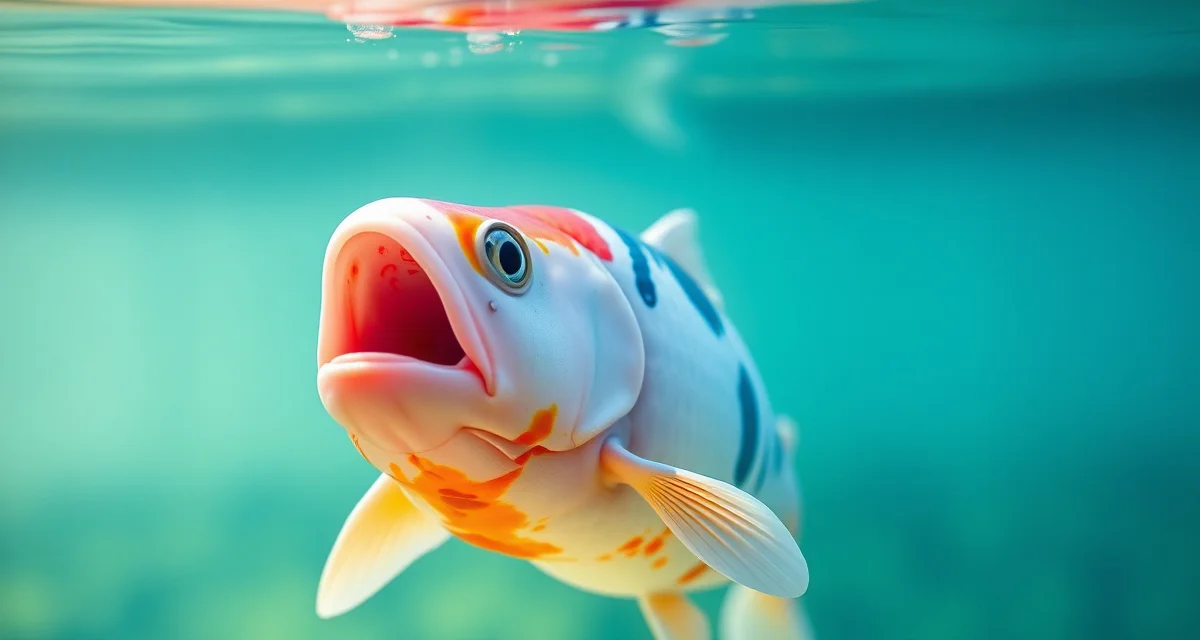
Koi Gasping at Surface: Emergency Response Guide
Koi gasping at the surface can die within 2-4 hours without intervention. This is a medical emergency that requires immediate action, not observation. KoiQuanta's emergency mode activates a differential diagnosis checklist for surface gasping, because the correct emergency response depends on the specific cause.
No competitor provides emergency triage for acute presentation signs the way KoiQuanta does.
TL;DR
- Maximum aeration immediately (add all available air stones, activate waterfalls) 2.
- Consider adding a temporary submersible pump to increase surface agitation 3.
- Do NOT add any chemicals until oxygen situation is stabilized 4.
- If possible, test DO or estimate based on water temperature and conditions 5.
- Test koi pond water quality tracker (ammonia particularly, which damages gill tissue) 3.
- Examine gills if possible (carefully net one fish, observe gill color - should be bright red, not pale, brown, or showing tissue damage) 4.
- If parasites suspected, treat with praziquantel or appropriate antiparasitic 5.
This Is an Emergency: Act First
Before reading further: if your koi are gasping at the surface right now, increase aeration immediately. Add an air stone, turn on a waterfall, splash water from height to maximize surface agitation. This is the one safe intervention that helps regardless of the specific cause.
Then read the rest of this guide to find the root cause while you're stabilizing the fish.
The Three Main Causes of Surface Gasping
Cause 1: Oxygen Depletion (Most Common)
Low dissolved oxygen is the most common cause of surface gasping in koi. Fish gather at the surface where water-to-air interface exchange provides the highest oxygen concentration in the pond.
Signs pointing to oxygen depletion:
- Multiple fish gasping at the same time
- Fish concentrated near the waterfall, air stones, or surface agitation
- Event occurs in early morning (overnight DO depletion), after a hot night, or during an algae crash
- Fish that are rescued with additional aeration improve within 20-30 minutes
Emergency response:
- Maximum aeration immediately (add all available air stones, activate waterfalls)
- Consider adding a temporary submersible pump to increase surface agitation
- Do NOT add any chemicals until oxygen situation is stabilized
- If possible, test DO or estimate based on water temperature and conditions
- Log the event time and conditions in KoiQuanta immediately
The koi oxygen depletion emergency guide covers full emergency response.
Cause 2: Gill Disease
Fish with severe gill disease gasp at the surface because their gills can't extract adequate oxygen even from oxygenated water. Unlike DO depletion, fish with gill disease don't improve significantly when aeration is increased.
Causes of gill disease: gill flukes (dactylogyrus), bacterial gill disease (branchiomycosis), ammonia-damaged gills, or excessive mucus production from poor water quality.
Signs pointing to gill disease:
- Fish gasping at surface despite good aeration
- Fish NOT improving after aeration is increased
- Gasping affects some fish but not others in the same pond
- Possible additional signs: fins clamped, excessive gill movement, possible discoloration at gill opening
- May have had preceding flashing behavior suggesting parasites
Emergency response:
- Increase aeration regardless
- Test water quality (ammonia particularly, which damages gill tissue)
- Examine gills if possible (carefully net one fish, observe gill color - should be bright red, not pale, brown, or showing tissue damage)
- If parasites suspected, treat with praziquantel or appropriate antiparasitic
- Log in KoiQuanta and consider veterinary consultation for gill disease
Cause 3: Ammonia Toxicity
Ammonia at toxic concentrations damages gill tissue directly and causes respiratory distress. Fish breathe harder to try to extract oxygen through damaged gill tissue.
Signs pointing to ammonia toxicity:
- Surface gasping with possible red or dark gill coloration visible
- Test confirms elevated ammonia (above 0.5 mg/L at neutral pH, lower at high pH)
- May have followed overfeeding, biological filter disruption, or new pond syndrome
- Multiple fish affected simultaneously
Emergency response:
- Large water change immediately (25-50%) with dechlorinated water at similar temperature
- Stop feeding completely
- Test ammonia before and after water change to confirm reduction
- Do NOT add salt if you have zeolite in the system (salt releases absorbed ammonia)
- Add zeolite to remove ammonia if severe and water change isn't possible
- Log parameters and event in KoiQuanta
How to Tell Which Cause You're Dealing With
The fastest diagnostic approach is a water test. Do it immediately.
| Test Result | Most Likely Cause |
|---|---|
| DO below 4 mg/L | Oxygen depletion |
| Ammonia above 0.5 mg/L (or lower at high pH) | Ammonia toxicity |
| All parameters normal | Gill disease |
If you don't have a DO meter, use circumstantial evidence:
- Early morning in summer after a hot night: strongly suggests oxygen depletion
- Following a large new fish introduction or overfeeding event: suggests ammonia
- Preceding flashing behavior in some fish: suggests gill parasites
The KoiQuanta Emergency Response
When you log a surface gasping event in KoiQuanta, the emergency checklist activates. It walks you through:
- Immediate aeration action (done)
- Water quality testing and result entry
- Gill observation step
- Treatment selection based on your findings
- Monitoring schedule for the next 24 hours
The koi water quality emergency logging in KoiQuanta creates a complete record of the event including timeline, parameters, and response actions.
Frequently Asked Questions
What should I do immediately when koi gasp at the surface?
Add maximum aeration immediately, before doing anything else. Turn on all air stones, waterfalls, and surface agitation equipment you have. This stabilizes the situation regardless of the specific cause. Once you've increased aeration, test your water parameters (DO if you can, ammonia and nitrite at minimum). If DO is low, continue maximizing aeration and do a water change. If ammonia is elevated, do a large water change immediately. If water quality is normal and fish aren't improving with aeration, gill disease is the likely cause and requires further investigation.
How do I tell oxygen depletion from gill disease in koi?
The key distinction is whether fish improve when aeration is increased. Fish gasping from oxygen depletion respond rapidly to additional aeration, often showing improved behavior within 15-30 minutes of maximum aeration being added. Fish with gill disease don't improve significantly when aeration increases, because their problem isn't the oxygen level in the water but their ability to extract oxygen through damaged gill tissue. Oxygen depletion typically affects all fish simultaneously, while gill disease may affect some fish more than others depending on individual gill condition.
What is the fastest way to add oxygen to a koi pond?
The fastest way to add oxygen is to increase surface agitation. This allows gas exchange between water and atmosphere. In order of speed and effectiveness: turn on a waterfall or cascade that breaks the water surface, add submersible air stones connected to a pump, pour water from a bucket from height back into the pond repeatedly (creates aeration through the pouring motion), or place a garden hose sprayer at the surface. All of these increase surface area of water in contact with air, which is where oxygen transfer happens. A running waterfall can significantly improve DO levels within 15-20 minutes.
What is Koi Gasping at Surface: Emergency Response Guide?
KoiQuanta's Koi Gasping at Surface: Emergency Response Guide is a structured triage resource for koi keepers facing one of the most time-critical pond emergencies. When koi gasp at the surface, they can die within 2-4 hours. The guide walks you through a differential diagnosis checklist—covering low dissolved oxygen, ammonia toxicity, gill parasites, and pH crashes—so you respond to the actual cause, not just the symptom.
How much does Koi Gasping at Surface: Emergency Response Guide cost?
The guide is free on KoiQuanta. There is no paywall, subscription, or purchase required. KoiQuanta publishes emergency response content openly because delayed action during a gasping event can mean the loss of your entire pond. Bookmark the page now so you can access it instantly if an emergency occurs, rather than searching for help while your fish are in distress.
How does Koi Gasping at Surface: Emergency Response Guide work?
The guide works by walking you through a step-by-step differential diagnosis. You first maximize aeration immediately, then systematically test for the most likely causes: low dissolved oxygen, ammonia spikes, gill parasites, and pH crashes. Each cause has specific follow-up actions. Rather than applying a generic fix, you identify the root problem and apply the targeted treatment, reducing the risk of making the situation worse.
What are the benefits of Koi Gasping at Surface: Emergency Response Guide?
The primary benefit is giving you a clear, prioritized action plan under pressure. Most koi keepers panic during a gasping event and either do nothing or apply the wrong treatment. This guide eliminates guesswork, sequences your actions correctly, and explains what not to do—like adding chemicals before stabilizing oxygen. It is the difference between a structured emergency response and a reactive guess that could cost you fish.
Who needs Koi Gasping at Surface: Emergency Response Guide?
Any koi keeper with a backyard pond, water garden, or ornamental fish setup needs this guide. It is especially critical for newer hobbyists who may not recognize early warning signs, and for keepers with high fish loads or warm-water ponds where oxygen depletion happens fastest. If you own koi, surface gasping is not a theoretical risk—it is a common emergency that catches most pond owners unprepared.
How long does Koi Gasping at Surface: Emergency Response Guide take?
Once you spot koi gasping, you have roughly 2-4 hours before losses begin. The immediate aeration steps take minutes to implement. Full diagnosis—testing dissolved oxygen, ammonia, examining gills—can be completed within 15-30 minutes with basic equipment on hand. The faster you move through the checklist, the better your outcome. Delaying even one hour to observe or research slows you into the danger window.
What should I look for when choosing Koi Gasping at Surface: Emergency Response Guide?
Look for a guide that distinguishes between causes rather than offering one generic fix. The best emergency resources cover low dissolved oxygen, ammonia toxicity, gill disease, and pH crashes as separate scenarios with separate responses. KoiQuanta's guide includes a differential diagnosis checklist, explains what not to do during the first response, and covers both immediate stabilization steps and follow-up treatment depending on the diagnosed cause.
Is Koi Gasping at Surface: Emergency Response Guide worth it?
Yes. Koi are expensive, long-lived fish with strong emotional and financial value. A guide that helps you act correctly in the first 30 minutes of an emergency is worth more than any supplement or water treatment product. Lost fish cannot be recovered. The time investment to read and bookmark this guide before an emergency happens is minimal compared to the cost of losing fish to a preventable or mismanaged crisis.
Related Articles
Sources
- Associated Koi Clubs of America (AKCA)
- Koi Organisation International (KOI)
- University of Florida IFAS Extension Aquaculture Program
- Fish Vet Group
- Water Quality Association