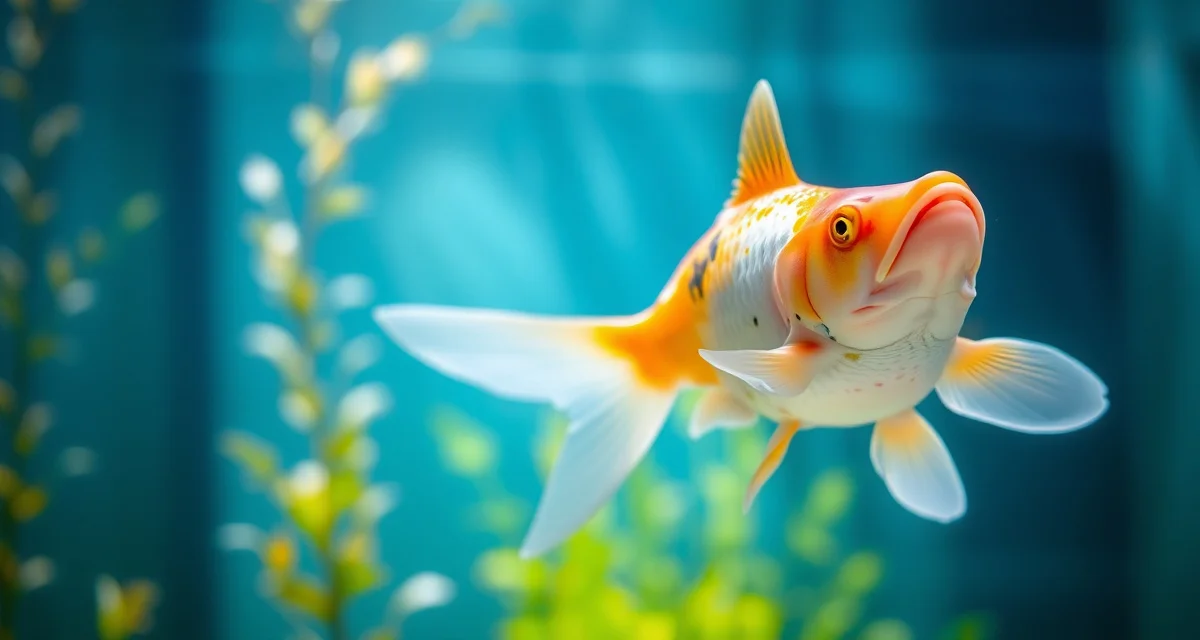
Why Is My Koi Swimming Sideways or Upside Down? Emergency Guide
True swim bladder disease in koi is often secondary to chronic bacterial infection that requires antibiotic treatment to resolve. When a koi is floating on its side or struggling to maintain normal body orientation, it looks like a swim bladder problem. In koi, unlike goldfish, primary idiopathic swim bladder disease is rare. Most koi that present with buoyancy disorders have an underlying cause that needs to be identified.
KoiQuanta's swim bladder differential diagnosis workflow distinguishes buoyancy disorders from neurological issues and systemic bacterial infection, guiding you to the right treatment approach.
TL;DR
- Withholding food for 24 to 48 hours sometimes improves these cases as the digestive tract clears.
- For intestinal causes, try food withholding for 24 to 48 hours.
- KoiQuanta connects observations, water data, and treatment records in one searchable history.
- Early detection based on parameter trends reduces treatment costs and fish stress.
- Seasonal changes require adjusted monitoring schedules; automated reminders help maintain consistency.
What Swim Bladder Disease Looks Like in Koi
A koi with swim bladder dysfunction shows characteristic buoyancy problems:
- Floating at the surface tilted on one side
- Sinking to the pond bottom and being unable to swim up normally
- Resting on the bottom with abnormal body angle
- Struggling to maintain horizontal orientation while swimming
- Rolling or spiraling movements
These behaviors are concerning and warrant investigation, but the cause isn't always the swim bladder itself.
Causes of Buoyancy Problems in Koi
Systemic bacterial infection (most common). Bacterial infection, particularly Aeromonas or Pseudomonas, can affect the swim bladder when it involves the swim bladder wall directly or when the systemic infection causes organ dysfunction that indirectly affects buoyancy. Fish with bacterial septicemia often develop buoyancy problems as the infection progresses. Look for other signs of bacterial disease: red spots, ulcers, cloudy eyes, fin deterioration, lethargy.
Physical trauma. A blow to the body from a predator attack, collision with pond features, or aggressive pond mate interaction can physically rupture or bruise the swim bladder. This typically presents acutely, with buoyancy problems appearing suddenly after an identifiable trauma event. KoiQuanta's event log helps correlate sudden buoyancy changes with recent pond events.
Polycystic kidneys or internal organ cysts. Some koi develop internal cysts or masses that physically compress the swim bladder, affecting its function. This is generally a progressive condition rather than acute onset.
Intestinal gas/constipation. Accumulation of gas or material in the digestive tract can press on the swim bladder. This is more common after rapid diet changes or feeding inappropriate food. Withholding food for 24 to 48 hours sometimes improves these cases as the digestive tract clears.
Neurological damage. Parasites, bacterial infection, or toxin exposure affecting the brain or spinal cord can cause the same rolling and orientation problems as swim bladder disease. Neurological causes are often accompanied by seizure-like movement patterns.
Gas bubble disease. Supersaturated water can cause gas bubbles to form in fish tissue, including near the swim bladder. This is associated with recent large water changes using water straight from a heated supply line.
KoiQuanta's Differential Diagnosis Workflow
The differential diagnosis workflow in KoiQuanta guides you through:
- Onset pattern: Was it sudden (trauma, gas bubble disease) or gradual (bacterial infection, organ compression)?
- Other symptoms: Any visible lesions, fin deterioration, or eye problems that suggest systemic bacterial disease?
- Water quality history: Any DO supersaturation events, recent water changes?
- Behavior pattern: Rolling vs. floating vs. sinking suggests different causes
- Multiple fish or single fish: Multiple affected fish simultaneously suggests water quality cause; single fish suggests individual condition
The workflow generates a ranked differential diagnosis with recommended actions for each likely cause.
Treatment Approach by Cause
Bacterial infection: Isolate the fish and treat with antibiotic therapy under veterinary guidance. Log treatment in KoiQuanta's treatment tracker.
Gas bubble disease: Improve aeration, aerate any replacement water before adding it, reduce supersaturation conditions. Fish with mild gas bubble disease often recover once the cause is removed.
Physical trauma: Provide clean quarantine conditions and support. Some recovery occurs naturally if the damage isn't severe.
Intestinal causes: Withhold food for 24 to 48 hours. Soak food in garlic juice before feeding is anecdotally helpful but not proven.
Neurological or organ compression: These causes are often progressive. Consult a veterinarian for assessment.
The koi disease identification guide provides additional differential diagnosis support. The bacterial infection treatment tracker covers treatment protocols for the most common cause.
Frequently Asked Questions
How do I treat koi swim bladder disease?
Treatment depends on the cause. If bacterial infection is identified (most common cause in koi), antibiotic treatment under veterinary guidance is indicated. For gas bubble disease, improve aeration and reduce water supersaturation. For intestinal causes, try food withholding for 24 to 48 hours. KoiQuanta's swim bladder differential diagnosis workflow helps you identify the likely cause before selecting treatment.
Can swim bladder disease in koi be cured?
It depends on the cause. Bacterial-associated buoyancy problems often improve substantially with appropriate antibiotic treatment. Trauma-related cases can recover if the damage isn't severe. Progressive causes like organ compression from cysts may not be reversible. The prognosis is better when treatment begins early and the underlying cause is identified correctly.
What causes koi to float on their side?
Floating on one side in koi most commonly indicates either swim bladder dysfunction from bacterial infection or a buoyancy disorder from another cause. Test water quality first to rule out water quality causes. Look for other signs of bacterial disease. KoiQuanta's differential diagnosis workflow guides you through a systematic assessment based on the full symptom picture.
What is Why Is My Koi Swimming Sideways or Upside Down? Emergency Guide?
This emergency guide helps koi keepers diagnose and respond to buoyancy disorders in koi fish — including sideways floating, upside-down swimming, and inability to maintain normal body position. It covers swim bladder dysfunction, bacterial infections, and intestinal causes, walking you through a differential diagnosis workflow so you can identify the underlying problem and take the right action quickly.
How much does Why Is My Koi Swimming Sideways or Upside Down? Emergency Guide cost?
The guide is free to read on KoiQuanta. There is no cost to access the diagnostic workflow, symptom checklist, or treatment guidance. KoiQuanta does offer pond tracking tools that help you log water parameters and treatment history, with subscription options available for advanced monitoring features.
How does Why Is My Koi Swimming Sideways or Upside Down? Emergency Guide work?
The guide walks you through a step-by-step diagnostic process: observe your koi's symptoms, assess water parameters, rule out neurological versus bacterial causes, and apply the appropriate first response. It distinguishes true swim bladder disease from secondary buoyancy disorders caused by systemic infection, guiding you toward food withholding, antibiotic treatment, or professional veterinary consultation depending on severity.
What are the benefits of Why Is My Koi Swimming Sideways or Upside Down? Emergency Guide?
Acting on the right diagnosis early reduces fish stress, lowers treatment costs, and improves survival odds. Misidentifying a bacterial infection as simple swim bladder disease can delay antibiotic treatment and prove fatal. The guide helps you avoid common misdiagnoses and take targeted action rather than guessing, especially during the critical first 24 to 48 hours.
Who needs Why Is My Koi Swimming Sideways or Upside Down? Emergency Guide?
Any koi keeper who notices a fish floating sideways, struggling to swim upright, or sinking to the pond bottom needs this guide. It is especially useful for hobbyists who lack immediate access to an aquatic veterinarian. Experienced keepers managing large pond collections will also benefit from the structured diagnostic workflow and parameter-tracking integration.
How long does Why Is My Koi Swimming Sideways or Upside Down? Emergency Guide take?
Initial assessment takes about 10 to 15 minutes. Applying the first response — typically withholding food for 24 to 48 hours — requires minimal time. Resolving the underlying cause, particularly bacterial infection requiring antibiotic treatment, can take one to three weeks. Early detection through regular water parameter monitoring significantly shortens overall treatment timelines.
What should I look for when choosing Why Is My Koi Swimming Sideways or Upside Down? Emergency Guide?
Look for a guide that distinguishes between primary and secondary swim bladder disease, since in koi the cause is almost always an underlying condition. Good resources include a clear differential diagnosis framework, water quality guidance, and treatment options backed by current aquatic medicine knowledge. KoiQuanta's guide also integrates with pond history tracking for ongoing monitoring.
Is Why Is My Koi Swimming Sideways or Upside Down? Emergency Guide worth it?
Yes. A koi swimming sideways or upside down is a medical emergency, and acting without a proper diagnosis wastes critical time. This guide provides a structured, evidence-based workflow that gives your fish the best chance of recovery. Combined with KoiQuanta's parameter logging tools, it supports both immediate intervention and long-term pond health management.
Related Articles
- What Is the Correct Salt Percentage for Koi Ponds? Complete Guide
- How to Use Potassium Permanganate on Koi: Safe Dosing Guide
Sources
- Associated Koi Clubs of America (AKCA)
- Koi Organisation International (KOI)
- University of Florida IFAS Extension Aquaculture Program
- Fish Vet Group
- Water Quality Association