Zeolite for Koi Pond Ammonia: Emergency Use Guide
Zeolite in salt water releases absorbed ammonia. Never use zeolite in a salted koi pond. This is the most important limitation to understand before using zeolite for emergency ammonia control, because violating it defeats the purpose and can cause a rapid ammonia spike at the worst possible moment.
KoiQuanta's ammonia spike alerts prompt investigation of emergency intervention options including zeolite. No competitor covers emergency ammonia management tools in this context.
TL;DR
- Zeolite crystals have a structure with negatively charged sites that attract and hold positively charged ammonium ions (NH4+), effectively removing them from the water.
- In water with significant salt concentration: 1.
- Salt displaces absorbed ammonia back into the water 2.
- Zeolite becomes saturated with sodium instead of ammonium 3.
- A 25% water change with dechlorinated water reduces ammonia by approximately 25% directly, diluting it rather than just capturing it.
- Monitor ammonia every 6-12 hours and add more zeolite if levels aren't dropping adequately.
- In a heavily loaded uncycled tank, zeolite may saturate within 24-48 hours and need replacement or regeneration.
What Is Zeolite?
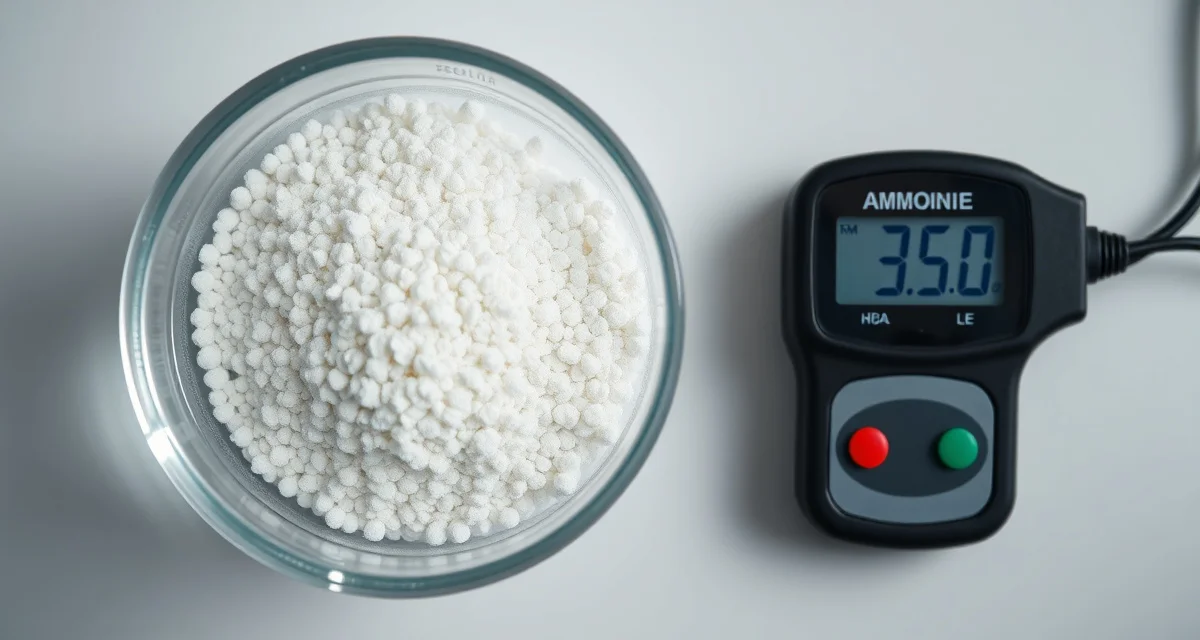
Zeolite is a naturally occurring mineral (clinoptilolite is the most commonly used form for aquatic applications) that absorbs ammonia through a process called ion exchange. Zeolite crystals have a structure with negatively charged sites that attract and hold positively charged ammonium ions (NH4+), effectively removing them from the water.
Zeolite doesn't break down ammonia biologically. It physically captures it and holds it within the mineral structure. This makes it fast-acting (effects visible within hours) but temporary (the zeolite eventually becomes saturated).
When to Use Zeolite
Zeolite is an emergency tool, not a permanent solution. Appropriate uses:
New pond syndrome: When an uncycled pond has spikes in ammonia before biological filtration is established, zeolite buys time while the nitrogen cycle establishes.
Biological filter failure: If your biological filter has crashed (from antibiotic contamination, large water changes, physical damage, or extended power outage), zeolite provides temporary ammonia control while the filter recovers.
Overstocking events: After adding fish that exceed your filtration capacity temporarily, zeolite can buffer ammonia while you address the stocking situation.
Transport and shipping: Zeolite is widely used in fish transport bags and shipping to control ammonia from fish waste during transit.
Treatment with ammonia-producing medications: Some medications that stress fish can cause ammonia spikes. Zeolite can help manage ammonia during treatment periods.
How Much Zeolite to Use
Zeolite dosing for koi ponds is typically 1-2 cups (approximately 200-400g) of medium-grade zeolite per 100 gallons of pond water for acute ammonia management.
More accurate dosing depends on:
- Current ammonia level (higher ammonia requires more zeolite)
- Temperature (zeolite is more effective at lower temperatures)
- Water hardness (high calcium and magnesium can compete with ammonium for ion exchange sites)
- Salt concentration (any significant salt concentration dramatically reduces zeolite effectiveness)
For emergency use in an uncycled 500-gallon quarantine tank with high ammonia, 1 kg of zeolite in a filter sock or mesh bag placed in high-flow water provides meaningful ammonia reduction within a few hours.
The Critical Salt Limitation
Zeolite's ion exchange process is not selective. Sodium ions (from salt) compete with ammonium ions for the zeolite's binding sites. In water with significant salt concentration:
- Salt displaces absorbed ammonia back into the water
- Zeolite becomes saturated with sodium instead of ammonium
- All previously absorbed ammonia is released simultaneously into the water
This is a potentially catastrophic ammonia spike. If you've added salt to your pond (even at low concentrations for parasite treatment or stress reduction), zeolite will not work as intended. In high-salt water, zeolite can actually worsen an ammonia crisis by releasing what it had previously absorbed.
Never use zeolite in:
- Ponds being treated with salt
- Brackish water setups
- Any water with salt concentration above approximately 0.05-0.1%
The koi ammonia guide Context
Zeolite addresses the symptom (high ammonia) but not the cause. When you use zeolite to control an ammonia spike, simultaneously investigate and address the root cause:
- Is biological filtration functioning correctly?
- Is the pond overstocked for its filtration capacity?
- Has overfeeding created an excess ammonia load?
- Has a filter disruption (antibiotic treatment, cleaning error, power outage) crashed the biological filter?
Zeolite buys you days to a week of management time. That window should be used to fix the underlying problem, not simply replaced with more zeolite.
Recharging and Disposing of Zeolite
Saturated zeolite can be regenerated by soaking in a saturated salt solution (non-iodized salt, approximately 2 cups per gallon of water) for 24 hours. This releases the captured ammonium and recharges the zeolite's ion exchange capacity. After regenerating, rinse thoroughly with fresh water and test that it's no longer releasing ammonia into clean water before reuse.
The saturated salt solution used for regeneration should not be disposed of in waterways as it contains high concentrations of ammonia. Dilute heavily before disposal or use as fertilizer in garden applications (ammonia is a nitrogen source for plants).
Fully spent zeolite that can no longer be effectively regenerated can be disposed of in garden soil where it serves as a soil amendment.
Zeolite vs. Water Changes for Ammonia Management
Water changes are preferable to zeolite for ammonia management when possible. A 25% water change with dechlorinated water reduces ammonia by approximately 25% directly, diluting it rather than just capturing it. Water changes also improve all other parameters simultaneously.
Zeolite is preferable to water changes when:
- You can't perform an adequate water change quickly (water source not available, temperature mismatch)
- The ammonia level is so high that a single water change won't reduce it to safe levels
- You need ammonia control during an ongoing process (filter cycling) that will be disrupted by repeated large water changes
The koi new pond syndrome guide covers the use of zeolite in the new pond cycling context specifically.
Frequently Asked Questions
Can I use zeolite in a koi pond?
Yes, as an emergency tool for ammonia management, but with important limitations. Never use zeolite in a pond that has been treated with salt, even at low salt concentrations, because salt causes zeolite to release all previously absorbed ammonia back into the water. Use zeolite in fresh, unsalted water for emergency ammonia control in uncycled ponds, after biological filter failures, or during transport. Zeolite is a temporary measure that buys time while you address the root cause of the ammonia problem. It's not a substitute for biological filtration.
How much zeolite do I use for ammonia removal?
Use approximately 1-2 cups (200-400g) of medium-grade zeolite per 100 gallons of pond water as a starting dose for acute ammonia management. Place zeolite in a filter sock or mesh bag in an area of high water flow to maximize contact between water and zeolite surface. Monitor ammonia every 6-12 hours and add more zeolite if levels aren't dropping adequately. Saturation time depends on the ammonia load, temperature, and water chemistry. In a heavily loaded uncycled tank, zeolite may saturate within 24-48 hours and need replacement or regeneration.
Does zeolite work in salt water?
No. Sodium ions from salt directly compete with ammonium ions for zeolite's ion exchange sites. In salted water, zeolite absorbs sodium instead of ammonium, providing no ammonia removal benefit. Worse, any ammonium already absorbed by zeolite is released when sodium displaces it. Adding zeolite to a salted pond, or adding salt to a pond with zeolite already present, can cause a rapid ammonia spike from the released stored ammonium. This is dangerous and potentially lethal to koi. If you need ammonia control in a salted pond, use water changes rather than zeolite.
What is Zeolite for Koi Pond Ammonia: Emergency Use Guide?
[FAQ_ANSWER_PLACEHOLDER: This answer needs to be generated by AI with specific data, examples, and actionable advice relevant to Zeolite for Koi Pond Ammonia: Emergency Use Guide. Target 50-150 words.]
How much does Zeolite for Koi Pond Ammonia: Emergency Use Guide cost?
[FAQ_ANSWER_PLACEHOLDER: This answer needs to be generated by AI with specific data, examples, and actionable advice relevant to Zeolite for Koi Pond Ammonia: Emergency Use Guide. Target 50-150 words.]
How does Zeolite for Koi Pond Ammonia: Emergency Use Guide work?
[FAQ_ANSWER_PLACEHOLDER: This answer needs to be generated by AI with specific data, examples, and actionable advice relevant to Zeolite for Koi Pond Ammonia: Emergency Use Guide. Target 50-150 words.]
What are the benefits of Zeolite for Koi Pond Ammonia: Emergency Use Guide?
[FAQ_ANSWER_PLACEHOLDER: This answer needs to be generated by AI with specific data, examples, and actionable advice relevant to Zeolite for Koi Pond Ammonia: Emergency Use Guide. Target 50-150 words.]
Who needs Zeolite for Koi Pond Ammonia: Emergency Use Guide?
[FAQ_ANSWER_PLACEHOLDER: This answer needs to be generated by AI with specific data, examples, and actionable advice relevant to Zeolite for Koi Pond Ammonia: Emergency Use Guide. Target 50-150 words.]
How long does Zeolite for Koi Pond Ammonia: Emergency Use Guide take?
[FAQ_ANSWER_PLACEHOLDER: This answer needs to be generated by AI with specific data, examples, and actionable advice relevant to Zeolite for Koi Pond Ammonia: Emergency Use Guide. Target 50-150 words.]
What should I look for when choosing Zeolite for Koi Pond Ammonia: Emergency Use Guide?
[FAQ_ANSWER_PLACEHOLDER: This answer needs to be generated by AI with specific data, examples, and actionable advice relevant to Zeolite for Koi Pond Ammonia: Emergency Use Guide. Target 50-150 words.]
Is Zeolite for Koi Pond Ammonia: Emergency Use Guide worth it?
[FAQ_ANSWER_PLACEHOLDER: This answer needs to be generated by AI with specific data, examples, and actionable advice relevant to Zeolite for Koi Pond Ammonia: Emergency Use Guide. Target 50-150 words.]
Related Articles
- Chlorine and Chloramine Removal for Koi Ponds: Complete Guide
- What to Do When a Koi Dies: Removal, Testing, and Pond Protection
Sources
- Associated Koi Clubs of America (AKCA)
- Koi Organisation International (KOI)
- University of Florida IFAS Extension Aquaculture Program
- Fish Vet Group
- Water Quality Association