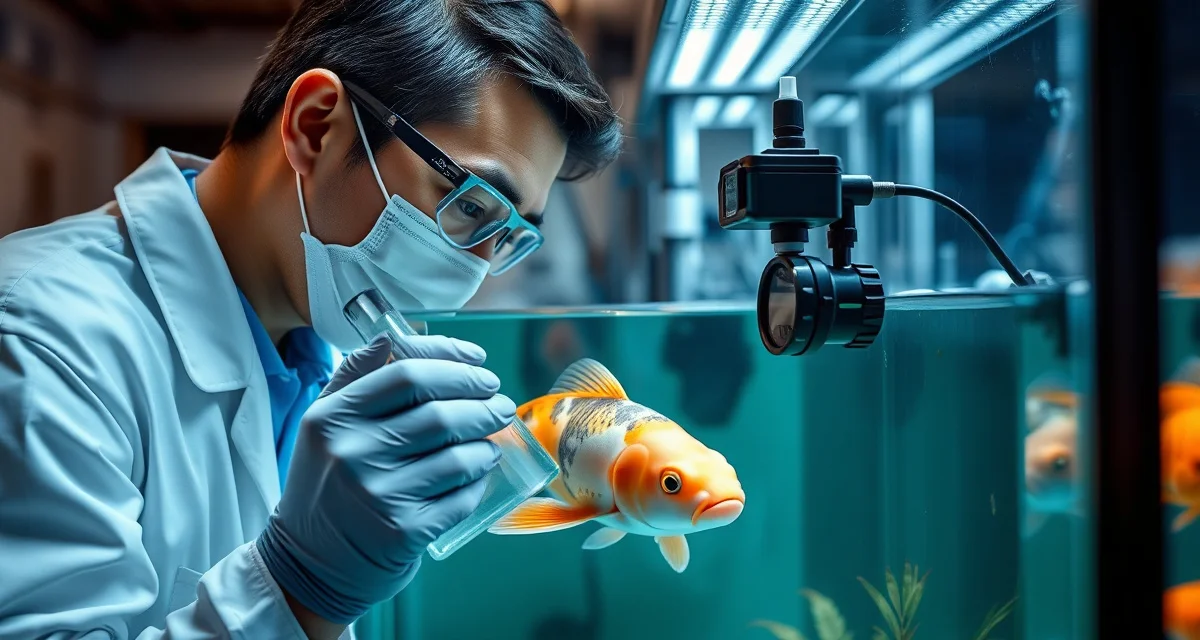
Quarantine Response to an Active Disease Outbreak
Disease-second-opinion) outbreaks in display ponds with 15 or more fish have a mean whole-pond impact rate of 60% without intervention within two weeks. That number is the reason a clear response protocol matters. When disease appears in your display pond, every hour of delay expands the outbreak. This guide covers the structured response approach using quarantine-after-pond-treatment) and isolation principles applied to an active outbreak situation.
KoiQuanta's outbreak mode activates elevated monitoring for all fish and links to treatment protocols. No competitor provides outbreak management as a distinct protocol separate from standard quarantine.
TL;DR
- Stop feeding for 24-48 hours during acute outbreak response.
- In bacterial outbreaks, daily 20-25% water changes for 3-5 days can significantly reduce bacterial pressure.
- If koi pond water quality tracker is normal, count affected fish, note what signs they're showing, and check whether you've had any new fish introductions in the last 4-6 weeks.
- Early detection based on parameter trends reduces treatment costs and fish stress.
- Seasonal changes require adjusted monitoring schedules; automated reminders help maintain consistency.
Outbreak vs. Single Fish Disease: Why the Response Differs
A single sick fish in a display pond is a quarantine problem - isolate the fish, identify the issue, treat in isolation, and return when healthy. An active outbreak is different in kind, not just scale.
In an outbreak:
- Multiple fish are already exposed, even if not all are showing signs
- The pathogen load in the pond water itself is elevated
- Treatment of isolated fish alone won't resolve the pond if it remains contaminated
- You must decide whether to treat the pond as a whole, isolate the most affected fish, or both
The decision tree branches based on the disease type.
Step 1: Immediate Assessment
When multiple fish show disease signs, assess the situation before acting:
Count affected fish. How many fish show active signs? Are signs identical (suggesting a single pathogen) or varied (suggesting different issues or a stress cascade)?
Check water parameters. Test ammonia, nitrite, pH, dissolved oxygen, and temperature immediately. Many "disease outbreaks" are water quality events presenting as disease. If ammonia is elevated, or pH has crashed, or dissolved oxygen is low, the water quality issue is the primary problem.
Identify the likely pathogen category. Parasite infections often show flashing, clamped fins, or excess mucus. Bacterial infections typically show ulcers, red patches, or fin rot. Viral infections (KHV, SHV) often produce rapid mortality with gill changes and lethargy.
Review recent introductions. Did you add any fish in the past 4-6 weeks? If yes, that fish is the probable source. If no recent additions, a water quality trigger is more likely.
Log your initial assessment in KoiQuanta as the outbreak start event, noting which fish show signs and what signs are present.
Step 2: Isolate the Most Severely Affected Fish
Fish with the most severe signs are the highest pathogen shedders and have the lowest chance of survival without focused treatment. Move them to a separate hospital tank immediately.
Isolation equipment needs:
- A tank large enough for the fish being isolated (at minimum 50-100 gallons per fish)
- Aeration
- Heater if the outbreak is temperature-sensitive (KHV is active in the 16-25°C range)
- Separate nets and equipment for this tank only
Keep the isolated fish at appropriate temperature for treatment. Don't reduce temperature to slow pathogen activity unless you have specific reason to - temperature manipulation is a specialist tool for KHV management and done incorrectly causes additional stress.
Step 3: Decide on Whole-Pond Treatment
For parasitic outbreaks, whole-pond treatment is usually appropriate because the parasites are in the pond water and on all fish, not just the visibly affected ones. Treating only isolated fish while leaving the pond untreated means the remaining fish continue to carry parasites and the isolated fish return to a contaminated environment.
For bacterial outbreaks, the situation is more complex. Aeromonas and similar bacteria are present in all koi ponds and only become pathogenic under stress conditions. Treating the whole pond with antibiotics is generally not appropriate - it creates antibiotic resistance risk, kills your biofilter, and doesn't address the underlying trigger.
For bacterial outbreaks:
- Treat isolated fish with appropriate antibiotics or medicated food
- Focus the whole-pond intervention on water quality and reducing stress (water changes, improved filtration, reduced feeding)
- Support immune function for unaffected fish through salt at 0.1-0.3% to reduce osmotic stress
For suspected viral outbreaks (rapid mortality, KHV-typical signs):
- There is no cure for KHV. Move to a containment protocol immediately.
- Test for confirmation via PCR before any fish leave your premises
- Consult a fish veterinarian
Step 4: Address the Pond Environment
Whether you're treating the whole pond or not, improve the pond environment during an outbreak:
Increase aeration. Disease and treatment stress consume oxygen. Fish under stress have elevated oxygen demand. Run maximum aeration during any outbreak.
Stop or reduce feeding. Fish under disease stress won't eat well, and uneaten food adds organic load that degrades water quality. Stop feeding for 24-48 hours during acute outbreak response. Resume at half rations when fish are actively feeding again.
Perform water changes. A 25% water change with dechlorinated, temperature-matched water reduces pathogen load in the pond water, dilutes toxins, and improves water quality. In bacterial outbreaks, daily 20-25% water changes for 3-5 days can significantly reduce bacterial pressure.
Don't clean your filter during active treatment. The biological filter is under stress already. Cleaning during an outbreak risks crashing it. Wait until the outbreak resolves.
Step 5: Elevated Monitoring Protocol
During an active outbreak, the entire collection needs elevated monitoring, not just the obviously sick fish.
Log daily observations in KoiQuanta for every fish in the pond:
- Feeding response (eating normally, reduced, not eating)
- Behavioural signs (flashing, clamping, hanging at surface, lethargy)
- Physical changes (new lesions, fin changes, colour changes)
Fish that appear healthy today may show signs tomorrow. Early detection of secondary fish entering the disease progression allows faster intervention before their condition deteriorates.
The emergency koi quarantine protocol covers the setup requirements for hospital and isolation tanks if you need to set up treatment infrastructure quickly during an outbreak.
Step 6: Treatment Completion and Reintroduction
Continue whole-pond treatment for the full recommended treatment duration even if fish appear to recover before treatment is complete. Early discontinuation of parasite treatment before the parasite life cycle is disrupted causes recurrence within days to weeks.
For fish isolated in hospital tanks, apply the standard discharge criteria before returning them to the display pond:
- No disease signs for at least 7 days post-treatment
- Normal feeding response
- Normal behaviour
- Water parameters stable
Log the discharge event in KoiQuanta and note the treatment outcome and any observations about the disease course. This record becomes your reference if the same pathogen appears in the future.
Preventing Future Outbreaks
Most display pond outbreaks trace to one of three sources: an unquarantined new fish introduction, a water quality trigger that stressed fish and allowed opportunistic pathogens to take hold, or equipment or visitor cross-contamination.
The koi disease reference manual covers the identification and treatment protocols for the most common outbreak pathogens in detail.
Frequently Asked Questions
What do I do when multiple koi get sick at once?
Start with water parameter testing before doing anything else. High ammonia, low dissolved oxygen, or pH instability are the primary cause of multi-fish events that look like disease outbreaks. If water quality is normal, count affected fish, note what signs they're showing, and check whether you've had any new fish introductions in the last 4-6 weeks. Isolate the most severely affected fish to a hospital tank immediately. For parasitic outbreaks, consider whole-pond treatment. For bacterial outbreaks, focus on water quality improvement and treat isolated fish individually. Log all observations and actions in KoiQuanta to track the outbreak progression.
Should I treat the whole pond or isolate sick koi?
The answer depends on the pathogen type. Parasite outbreaks almost always require whole-pond treatment because parasites are in the water and on all fish, not just visibly sick ones. Treating only isolated fish while leaving the pond contaminated guarantees recurrence. Bacterial outbreaks typically don't benefit from whole-pond antibiotic treatment - treat isolated severely affected fish while improving pond water quality through water changes and reduced feeding. Viral disease (KHV) has no treatment and requires containment protocols. When in doubt about pathogen type, a fish veterinarian or diagnostic lab can confirm the cause before you commit to a treatment approach.
How do I prevent disease spreading to all my koi in an outbreak?
Rapid isolation of the most severely affected fish reduces the pathogen load being shed into the pond. Increasing aeration and performing water changes dilutes pathogen concentration in the water. Stopping feeding reduces fish stress and improves water quality. For parasitic outbreaks, whole-pond treatment eliminates parasites from the environment rather than just the fish you can catch. Daily observation of all fish with logging allows you to catch secondary fish entering the disease progression early, before their condition deteriorates to the point where intervention is difficult. The sooner each step is applied, the better the outcome for the collection.
What is Quarantine Response to an Active Disease Outbreak?
Quarantine response to an active disease outbreak is a structured intervention protocol used when disease is detected in a display pond. It involves isolating affected fish, stopping feeding, performing water changes, and monitoring all remaining fish under elevated watch. Without a clear response plan, outbreaks in ponds with 15 or more fish can impact 60% of the population within two weeks. The protocol combines quarantine principles with real-time outbreak management to contain spread and reduce losses.
How much does Quarantine Response to an Active Disease Outbreak cost?
There is no direct cost for following a quarantine response protocol — it is a set of practices, not a product. However, associated costs include a dedicated quarantine tank or system, water treatments, medications, and testing supplies. Early detection and swift action typically reduce overall treatment costs significantly compared to delayed responses. Investing in a water quality tracker and outbreak monitoring tools like KoiQuanta can further reduce long-term expenses by catching issues before they escalate.
How does Quarantine Response to an Active Disease Outbreak work?
The protocol works in sequential steps: stop feeding for 24–48 hours, count and observe affected fish, review recent new fish introductions over the past 4–6 weeks, and confirm water quality is not the root cause. If water parameters are normal, bacterial outbreak response includes daily 20–25% water changes for 3–5 days to reduce bacterial load. Fish showing severe symptoms are moved to isolation while the display pond is treated and monitored with elevated frequency.
What are the benefits of Quarantine Response to an Active Disease Outbreak?
A structured outbreak response reduces the spread of disease, limits fish losses, and shortens recovery time. Acting within the first hours prevents the outbreak from expanding to healthy fish. Daily water changes lower bacterial pressure without chemical intervention alone. Stopping feeding reduces waste load during a critical window. Elevated monitoring catches secondary infections early. Overall, a clear protocol removes guesswork during a stressful event and gives each fish the best chance of survival and full recovery.
Who needs Quarantine Response to an Active Disease Outbreak?
Any koi keeper with a display pond of multiple fish needs an outbreak response plan, but it is especially critical for ponds with 15 or more fish, where disease can spread to 60% of the population within two weeks without intervention. Hobbyists who have recently introduced new fish, those keeping high-value specimens, or anyone who has experienced previous disease events should have this protocol ready before an outbreak occurs — not during one.
How long does Quarantine Response to an Active Disease Outbreak take?
The immediate response phase — stopping feeding, assessing fish, and beginning water changes — should start within the first few hours of detecting disease. The intensive water change period runs 3–5 days for bacterial outbreaks. Full quarantine for isolated fish typically follows a 30-day observation window. Total recovery and return of all fish to the display pond can take 4–8 weeks depending on the disease, severity, and how quickly intervention began after the first signs appeared.
What should I look for when choosing Quarantine Response to an Active Disease Outbreak?
Look for a protocol that separates outbreak management from standard quarantine rather than treating them as the same process. It should include clear triggers for action, specific water change volumes and frequencies, guidance on when to isolate versus treat in place, and links to disease-specific treatment references. Integrated monitoring tools that track parameter trends over time are a major advantage. KoiQuanta's outbreak mode provides elevated monitoring and treatment protocol links as a distinct system, which most other resources do not offer.
Is Quarantine Response to an Active Disease Outbreak worth it?
Yes. Ponds without a response protocol face a mean 60% whole-pond impact rate within two weeks of an active outbreak. A structured approach containing the outbreak early — through feeding stops, targeted water changes, isolation, and elevated monitoring — directly reduces that number. The time and cost invested in preparation and early response is consistently lower than the cost of treating a fully progressed outbreak or replacing lost fish. For any serious koi keeper, having this protocol in place is straightforward risk management.
Sources
- Associated Koi Clubs of America (AKCA)
- Koi Organisation International (KOI)
- University of Florida IFAS Extension Aquaculture Program
- Fish Vet Group
- Water Quality Association