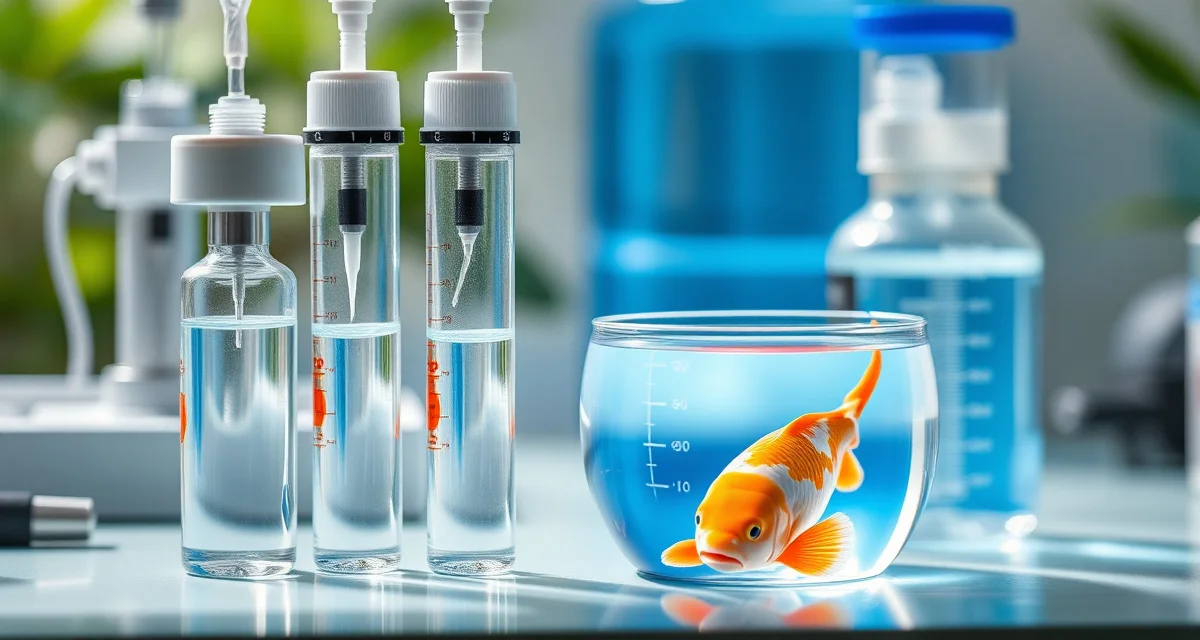
Koi Herpesvirus Prevention: Biosecurity and Quarantine Protocols
KHV can survive in water for up to 3 hours at optimal temperatures, making equipment disinfection between fish handling events critical. This 3-hour window is shorter than many viral pathogens but more than sufficient for equipment to serve as an effective transmission vector between ponds-after-pond-treatment) and facilities. A net used in a KHV-positive pond and then moved to a naive pond within that window can introduce the virus to a previously uninfected collection.
KoiQuanta's KHV prevention mode adds biosecurity checkpoints for equipment disinfection, water source verification, and handler hygiene during quarantine.
TL;DR
- This 3-hour window is shorter than many viral pathogens but more than sufficient for equipment to serve as an effective transmission vector between ponds and facilities.
- Contact time per manufacturer instructions (typically 10-15 minutes).
- Every new fish enters a separate, isolated quarantine system for a minimum of 30 days.
- For high-risk imports, extend to 45-60 days with PCR laboratory testing.
- Seasonal changes require adjusted monitoring schedules; automated reminders help maintain consistency.
Why Prevention Is the Only Strategy
There is no effective treatment for Koi Herpesvirus disease. A collection exposed to KHV faces two outcomes: mass mortality in immunologically naive fish, or - for fish that survive acute exposure - lifelong viral carrier status with potential for reactivation under stress or temperature change.
This reality makes prevention absolutely non-negotiable. The entire management approach to KHV is frontloaded biosecurity - preventing the virus from entering your collection in the first place. Once KHV is in your pond, your options are management and damage control, not cure.
The KHV Transmission Routes
Understanding how KHV spreads informs where prevention measures need to be focused:
Direct fish contact: Infected koi shed KHV through body fluids, mucus, and feces. A single infected fish in a population exposes every fish sharing the same water system. This is the primary transmission route and why quarantine is so critical - infected fish that appear healthy (subclinical carriers) can shed virus without visible signs.
Water transmission: KHV is present in the water surrounding infected fish. Adding water from a KHV-positive system to a naive pond introduces virus. This includes the water that new fish are transported in.
Equipment transmission: Nets, tanks, aeration equipment, and any surface that contacts infected fish or their water can carry virus for up to 3 hours. This window makes equipment sharing between ponds genuinely dangerous.
Handler transmission: Water on hands, gloves, or clothing can transfer virus between systems. Handlers who have been in contact with infected fish can be passive vectors.
The KHV Quarantine Protocol
Standard quarantine for any new koi should already include the basic steps. KHV prevention mode in KoiQuanta escalates these for high-risk imports.
Standard quarantine (all new fish):
- 30-day minimum isolation in a separate system
- Daily observation for KHV clinical signs
- Water quality monitoring throughout
- No equipment sharing between quarantine and display systems
KHV prevention mode escalated protocol (high-risk imports: fish from KHV-endemic regions, fish from auction or trade events, fish from facilities of unknown health status):
- Extended quarantine of 45-60 days minimum
- KHV PCR laboratory testing at start and at day 30
- Temperature cycling protocol: exposing fish to temperatures in the 18-28°C susceptibility window intentionally to provoke viral replication in latent carriers, making subclinical infection detectable
- Heightened biosecurity: handler protocol enforcement, dedicated equipment set with confirmed disinfection log
- Water source verification: confirmation that quarantine water supply does not share any pathway with display pond water
Equipment Disinfection for KHV Prevention
KHV-effective disinfectants:
- Sodium hypochlorite (bleach) at 1%: Effectively inactivates KHV within 1-5 minutes of contact. Rinse thoroughly after treatment. Appropriate for nets, buckets, and most hard surfaces.
- Virkon Aquatic: Specifically formulated for aquatic biosecurity, with documented efficacy against KHV. Contact time per manufacturer instructions (typically 10-15 minutes). Rinse thoroughly.
- Quaternary ammonium compounds: Active against KHV at appropriate concentrations. Contact the manufacturer for KHV-specific efficacy data.
- Complete drying: KHV in dried conditions loses viability much faster than in wet conditions. After disinfection and rinsing, allowing complete drying before reuse provides an additional safety margin.
For items that can't be soaked:
- 70% isopropyl alcohol wipe for handles, switches, and equipment parts
- Full drying as a minimum approach
Documentation: KoiQuanta's biosecurity checklist logs each equipment disinfection event with date, product used, contact time, and equipment treated. This creates the audit trail that confirms disinfection protocols are being followed.
Water Source Verification
The water supply used during quarantine must be completely separate from your display pond. No shared drains, no overflow connections, no possibility of water from the quarantine system reaching display pond water.
If you're using municipal water: confirm dechlorination at every addition. If you're using well water: test for appropriate parameters. If you're using any surface water: don't, for any high-risk import scenario.
Handler Hygiene
Before entering the quarantine area from display pond area:
- Wash hands with soap and water or use hand sanitizer
- Change footwear or disinfect boot soles with Virkon
- Change outer clothing if significant water contact occurred
Between handling fish in quarantine and any other area:
- Full handwash before and after
- Dispose of single-use gloves between systems
- Log handler entry/exit in KoiQuanta's biosecurity log for high-risk lots
KHV Clinical Signs to Watch During Quarantine
Even with a prevention focus, recognition of potential KHV during quarantine allows you to stop a problem before it reaches your display pond.
Watch for:
- Sudden mortality with gill pallor
- Gill necrosis (visible degradation of gill tissue)
- Sunken eyes and skin lesions
- Excessive mucus followed by mucus loss
- Loss of equilibrium and lethargy
If any of these signs appear during quarantine: immediately restrict fish movement, contact your state veterinarian, and initiate laboratory testing. Do not add fish to your display pond until KHV is ruled out. Your koi herpesvirus management guide covers the response protocol for confirmed or suspected KHV cases.
Frequently Asked Questions
How do I prevent KHV from entering my koi pond?
Strict quarantine compliance is the foundational prevention. Every new fish enters a separate, isolated quarantine system for a minimum of 30 days. For high-risk imports, extend to 45-60 days with PCR laboratory testing. Disinfect all equipment that contacts quarantine fish before any contact with display pond equipment. Maintain separate equipment sets for each system. Verify your quarantine water supply is completely isolated from your display pond water. During quarantine, observe for KHV clinical signs daily - gill pallor, sudden mortality, skin lesions - and do not release fish to your display pond if any suspicion of KHV exists.
What disinfectants kill KHV on koi equipment?
Sodium hypochlorite (bleach) at 1% concentration inactivates KHV within 1-5 minutes of contact. Virkon Aquatic at manufacturer-recommended concentrations is specifically documented effective against KHV. Quaternary ammonium compounds are also effective. All disinfectants must be thoroughly rinsed from equipment before reuse to prevent harm to fish. Complete drying after rinsing provides additional safety margin, as KHV loses viability rapidly in dry conditions. For KoiQuanta's KHV prevention mode, each equipment disinfection event is logged with the product used and contact time, creating a documented compliance record.
Is KHV preventable through quarantine?
Yes, when quarantine is properly designed and strictly followed. Quarantine prevents KHV by providing an observation and testing window before potentially infected fish reach your display pond. A properly isolated quarantine system where fish can express subclinical KHV infection without exposing your main pond, combined with temperature cycling to provoke viral replication in latent carriers and PCR testing to detect virus, provides high confidence that cleared fish are genuinely KHV-negative. The risk quarantine cannot eliminate is latent infection that remains below PCR detection thresholds - but extended quarantine with multiple test points reduces this residual risk substantially.
What is Koi Herpesvirus Prevention: Biosecurity and Quarantine Protocols?
[FAQ_ANSWER_PLACEHOLDER: This answer needs to be generated by AI with specific data, examples, and actionable advice relevant to Koi Herpesvirus Prevention: Biosecurity and Quarantine Protocols. Target 50-150 words.]
How much does Koi Herpesvirus Prevention: Biosecurity and Quarantine Protocols cost?
[FAQ_ANSWER_PLACEHOLDER: This answer needs to be generated by AI with specific data, examples, and actionable advice relevant to Koi Herpesvirus Prevention: Biosecurity and Quarantine Protocols. Target 50-150 words.]
How does Koi Herpesvirus Prevention: Biosecurity and Quarantine Protocols work?
[FAQ_ANSWER_PLACEHOLDER: This answer needs to be generated by AI with specific data, examples, and actionable advice relevant to Koi Herpesvirus Prevention: Biosecurity and Quarantine Protocols. Target 50-150 words.]
What are the benefits of Koi Herpesvirus Prevention: Biosecurity and Quarantine Protocols?
[FAQ_ANSWER_PLACEHOLDER: This answer needs to be generated by AI with specific data, examples, and actionable advice relevant to Koi Herpesvirus Prevention: Biosecurity and Quarantine Protocols. Target 50-150 words.]
Who needs Koi Herpesvirus Prevention: Biosecurity and Quarantine Protocols?
[FAQ_ANSWER_PLACEHOLDER: This answer needs to be generated by AI with specific data, examples, and actionable advice relevant to Koi Herpesvirus Prevention: Biosecurity and Quarantine Protocols. Target 50-150 words.]
How long does Koi Herpesvirus Prevention: Biosecurity and Quarantine Protocols take?
[FAQ_ANSWER_PLACEHOLDER: This answer needs to be generated by AI with specific data, examples, and actionable advice relevant to Koi Herpesvirus Prevention: Biosecurity and Quarantine Protocols. Target 50-150 words.]
What should I look for when choosing Koi Herpesvirus Prevention: Biosecurity and Quarantine Protocols?
[FAQ_ANSWER_PLACEHOLDER: This answer needs to be generated by AI with specific data, examples, and actionable advice relevant to Koi Herpesvirus Prevention: Biosecurity and Quarantine Protocols. Target 50-150 words.]
Is Koi Herpesvirus Prevention: Biosecurity and Quarantine Protocols worth it?
[FAQ_ANSWER_PLACEHOLDER: This answer needs to be generated by AI with specific data, examples, and actionable advice relevant to Koi Herpesvirus Prevention: Biosecurity and Quarantine Protocols. Target 50-150 words.]
Related Articles
- How to Prevent Koi Disease: The 5 Most Important Steps
- Getting a Second Opinion on Koi Disease Diagnosis-second-opinion)
Sources
- Associated Koi Clubs of America (AKCA)
- Koi Organisation International (KOI)
- University of Florida IFAS Extension Aquaculture Program
- Fish Vet Group
- Water Quality Association