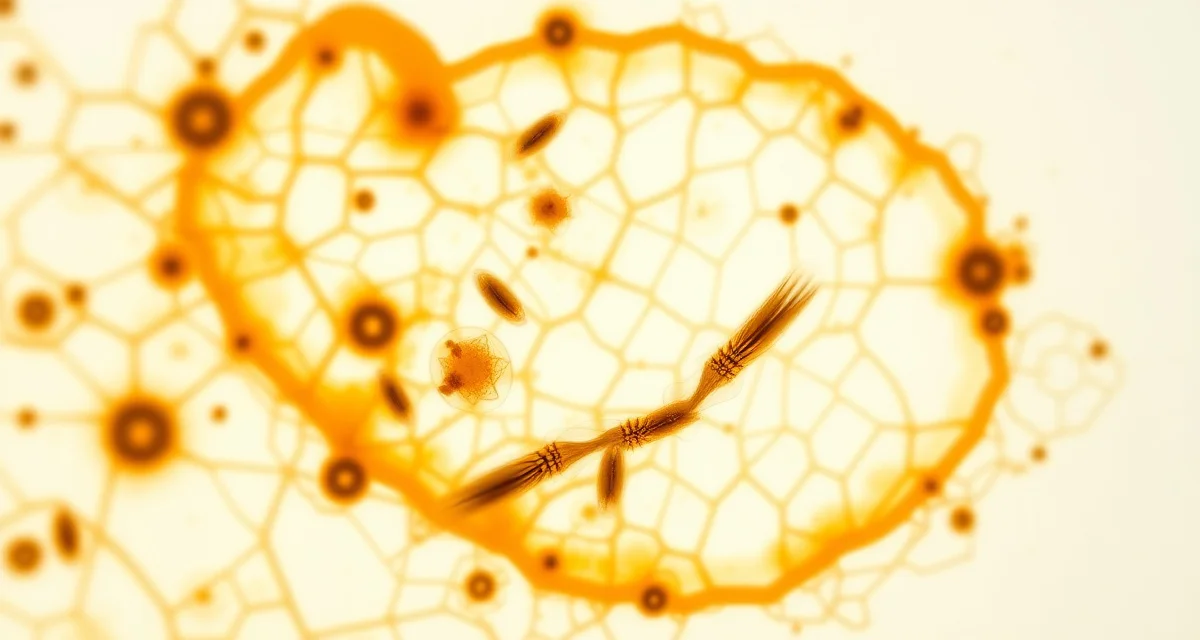
Koi Gill Biopsy: How to Sample for Gill Parasites
Gill flukes are often missed on skin scrapes -- gill sampling is the gold standard for gill parasite diagnosis. This is a consistent finding in koi health work: hobbyists run skin scrapes, find nothing significant, and conclude the fish is parasite-free -- while the fish continues to show gill-related symptoms like rapid breathing, surface congregation, and flared operculae. The gill population of Dactylogyrus and other gill parasites requires gill biopsy to detect reliably.
If your koi shows gill signs and your skin scrape was negative or low-level, a gill biopsy is the appropriate next diagnostic step.
TL;DR
- Adequate sedation -- the fish must not be moving during the procedure 2.
- Minimal tissue removal -- clip only 3-5 secondary lamellae from the end of one filament, never cut deeply into the gill arch 3.
- Swift procedure -- the fish should not be sedated longer than necessary 4.
- It should begin recovering from sedation within 1-5 minutes.
- Using clean small scissors, clip 3-5 secondary lamellae from the tip of one gill filament on the outermost arch.
- Transfer the small tissue sample to a drop of pond water on a glass slide, add a coverslip, and examine immediately at 40-400x.
- Removing 3-5 secondary lamellae from the tip of one filament causes minimal bleeding (which stops quickly) and heals rapidly.
Why Gill Biopsy Differs from Skin Scraping
The gill lamellae are anatomically separated from the external skin surface. Gyrodactylus (skin flukes) can infest both skin and gills, but Dactylogyrus (gill flukes) preferentially inhabit the gill lamellae and are rarely found in sufficient numbers on skin scrapes to provide an accurate assessment of gill parasite burden.
Beyond parasites, gill biopsies can reveal:
- Gill damage from bacterial gill disease (bacterial filament fusion, club-shaped lamellar tips)
- KHV-related gill necrosis (pale, friable, necrotic gill tissue)
- Hyperplasia (thickening of gill tissue from chronic irritation)
- Fungal gill disease
- Gill flukes including larval stages not detectable in skin scrapes
KoiQuanta's diagnostic records include gill biopsy results linked to subsequent treatment choice, creating a record of what you found, what you treated, and what the outcome was.
Is a Gill Biopsy Safe for Koi?
Yes, when done correctly with proper sedation and minimal tissue removal. Gill tissue is highly vascular and will bleed if cut, but a proper gill clip for sampling removes only a small number of secondary lamellae from one filament, causing minimal bleeding and rapid healing.
The key safety requirements:
- Adequate sedation -- the fish must not be moving during the procedure
- Minimal tissue removal -- clip only 3-5 secondary lamellae from the end of one filament, never cut deeply into the gill arch
- Swift procedure -- the fish should not be sedated longer than necessary
- Clean instruments -- use clean scissors or tissue scissors, not contaminated equipment
Fish handled gently with proper sedation and a brief, clean gill biopsy recover quickly and show no lasting effects from the procedure.
Equipment Required
- Clove oil or commercial anesthetic at appropriate sedation concentration
- Small curved scissors (fine tissue scissors or small embroidery scissors work well)
- Glass slides and coverslips
- Pond water for the slide sample
- Container for brief sedation
- Bowl of clean, aerated water for recovery
- Microscope (100-400x)
The Gill Biopsy Technique
Step 1: Sedate the fish. Add clove oil to a small container of pond water at 30-50 mg/L. Place the fish in the sedation solution and wait until it stops actively swimming and loses balance. This typically takes 1-3 minutes. The fish should be sedated but still breathing.
Step 2: Lift the operculum. Gently lift the gill cover (operculum) on one side to expose the gill arches. You'll see red, feathery gill tissue arranged in arches.
Step 3: Select a sampling site. Look at the outermost gill arch (the first one visible). At the distal (tip) end of one gill filament, you'll see the secondary lamellae -- tiny projections along the filament.
Step 4: Take the sample. Using clean small scissors, clip approximately 3-5 secondary lamellae from the tip of one filament. The sample will be very small -- a few millimeters of tissue. You should see a minimal amount of blood, which will stop quickly.
Step 5: Prepare the slide. Place a drop of pond water on a clean slide. Transfer the gill tissue clipping to the water drop. Use the scissors or a slide to gently tease the tissue apart slightly, then add a coverslip.
Step 6: Return the fish to recovery. Place the fish in a clean, well-aerated bowl of pond water. It should begin recovering from sedation within 1-5 minutes.
Step 7: Examine immediately. Fresh gill tissue with live organisms is much easier to examine than tissue that has dried or been sitting. Start with 40-100x magnification.
What to Look For in a Gill Sample
Dactylogyrus (gill flukes): Elongated flatworms, 0.3-1mm long, with four characteristic eyespots visible near the head end. Distinguished from Gyrodactylus by these eyespots and by the presence of eggs rather than embryos. They'll often be visible moving actively through the slide.
Gyrodactylus on gills: Same appearance as in skin scrapes -- oval flatworms with hooks and embryos, no eyespots.
Trichodina on gills: Same saucer-shaped appearance with denticle ring as in skin scrapes.
KHV damage: Look for pale, necrotic gill tissue, fusion of lamellae, and cellular debris. This is a histopathology finding that suggests viral damage and warrants PCR testing for confirmation. Healthy gill tissue should have regular, distinct lamellae with good spacing.
Bacterial gill disease: Lamellar club formation (the tips of lamellae appear club-shaped or swollen), excessive mucus, and lamellae fusing together. This differs from the mechanical damage pattern seen in parasite-heavy gill infestation.
Hyperplasia: Thickened, irregular-looking lamellae from chronic irritation. Not a specific pathogen sign but indicates ongoing gill stress.
Quantifying the Gill Fluke Burden
As with skin scrapes, you're looking for density:
- 1-5 flukes per field (100x): Low burden, may not be clinically significant
- 5-20 flukes per field: Moderate burden, treatment warranted if fish shows symptoms
- 20+ flukes per field: Heavy infestation, treatment required
For the skin scraping procedure that typically complements gill biopsies, see the koi skin scrape guide. For treatment of the gill flukes and other parasites you find, the koi flukes treatment guide covers the complete treatment protocol.
Frequently Asked Questions
How do I take a koi gill sample?
Sedate the fish adequately with clove oil (30-50 mg/L). Lift the operculum to expose the gill arches. Using clean small scissors, clip 3-5 secondary lamellae from the tip of one gill filament on the outermost arch. Transfer the small tissue sample to a drop of pond water on a glass slide, add a coverslip, and examine immediately at 40-400x. Return the fish to a recovery container immediately after sampling. The biopsy is safe when done correctly with minimal tissue removal and adequate sedation.
Is a gill biopsy safe for koi?
Yes, with proper sedation and minimal tissue removal. Removing 3-5 secondary lamellae from the tip of one filament causes minimal bleeding (which stops quickly) and heals rapidly. The fish experiences no lasting effects from a correctly performed gill biopsy. The risks come from inadequate sedation (a moving fish during the procedure causes more trauma) and removing too much tissue (cutting into the gill arch itself rather than just the filament tips). Done correctly with clove oil sedation and small scissors, gill biopsies are a routine diagnostic procedure.
What parasites does a gill biopsy reveal?
Gill biopsies are the reliable diagnostic method for Dactylogyrus (gill flukes), which are often missed or underestimated in skin scrapes. They also reveal Gyrodactylus (which can infest gills as well as skin), trichodina on gill tissue, and signs of KHV gill necrosis, bacterial gill disease, and lamellar hyperplasia from chronic irritation. If your fish shows gill-related signs (rapid breathing, flared operculae, surface congregation) and your skin scrape was negative, a gill biopsy is the appropriate next step before concluding the fish is parasite-free.
What is Koi Gill Biopsy: How to Sample for Gill Parasites?
A koi gill biopsy is a diagnostic procedure where a small tissue sample is clipped from the tip of one gill filament and examined under a microscope. It is the gold standard for detecting gill parasites like Dactylogyrus (gill flukes) that are routinely missed on standard skin scrapes. The fish is sedated, a few secondary lamellae are removed, and the sample is placed on a glass slide with pond water and viewed at 40–400x magnification to identify parasites accurately.
How much does Koi Gill Biopsy: How to Sample for Gill Parasites cost?
A gill biopsy itself has no purchase price — it is a hands-on diagnostic technique any koi keeper can learn to perform at home. The main costs are a quality microscope (typically $100–$500 for a suitable hobbyist model), glass slides, coverslips, and a fish-safe sedative such as clove oil or MS-222. If performed by a veterinarian or fish health professional, expect a consultation fee. Overall, it is one of the most cost-effective diagnostics available for serious koi health work.
How does Koi Gill Biopsy: How to Sample for Gill Parasites work?
The fish is sedated until it stops active movement, then lifted and an operculum gently lifted to expose the gill arch. Using clean, small scissors, 3–5 secondary lamellae are clipped from the very tip of one filament on the outermost arch — never cutting into the arch itself. The tissue is immediately transferred to a drop of pond water on a glass slide, covered with a coverslip, and examined under a microscope at 40–400x magnification to identify live parasites.
What are the benefits of Koi Gill Biopsy: How to Sample for Gill Parasites?
Gill biopsy allows detection of gill-specific parasites that skin scrapes consistently miss. It provides a definitive diagnosis rather than guesswork, enabling targeted treatment with the correct medication and dose. Early, accurate identification prevents prolonged fish stress, unnecessary broad-spectrum treatments, and treatment failures. It also confirms whether gill signs like rapid breathing, surface congregation, or flared operculae are parasite-driven or caused by water quality issues, saving time and protecting fish health by removing uncertainty from the diagnostic process.
Who needs Koi Gill Biopsy: How to Sample for Gill Parasites?
Any koi keeper whose fish shows gill-related symptoms — rapid or labored breathing, surface congregation, flared operculae, or lethargy — especially after a negative or low-level skin scrape result, should consider a gill biopsy. It is particularly valuable when multiple fish show similar signs, when standard treatments have failed, or when the cause of chronic health problems remains unresolved. Hobbyists who regularly monitor their fish proactively may also use it as a diagnostic baseline during seasonal health checks.
How long does Koi Gill Biopsy: How to Sample for Gill Parasites take?
The actual tissue collection takes under two minutes once the fish is adequately sedated. Sedation onset with clove oil typically takes one to three minutes, and the fish should begin recovering within one to five minutes of being returned to aerated water. Microscope examination of the sample adds another five to fifteen minutes depending on experience. The total procedure from sedation to recovery is usually complete within fifteen to twenty minutes, making it a quick and practical diagnostic step.
What should I look for when choosing Koi Gill Biopsy: How to Sample for Gill Parasites?
Choose a location on the outermost gill arch and clip only from the very tip of a filament — never cut into the arch itself. Use sharp, clean scissors to minimize trauma. Ensure sedation is deep enough that the fish is not moving. Work quickly to limit sedation time. Use pond water, not tap water, on the slide to keep parasites alive and motile for easier identification. Examine the sample immediately after collection, as parasites deteriorate rapidly once outside the host.
Is Koi Gill Biopsy: How to Sample for Gill Parasites worth it?
Yes. A gill biopsy is the only reliable way to confirm or rule out gill parasites when a fish is showing gill-related symptoms. Without it, treatments are guesswork — you may treat for the wrong parasite, under-treat, or miss the problem entirely while the fish continues to suffer. The procedure causes minimal tissue damage, heals quickly, and takes very little time. For any koi keeper serious about fish health, learning gill biopsy technique is a high-value, low-cost diagnostic skill worth having.
Related Articles
- Why Is My Koi Swimming Sideways or Upside Down? Emergency Guide
- How to Use Potassium Permanganate on Koi: Safe Dosing Guide
Sources
- Associated Koi Clubs of America (AKCA)
- Koi Organisation International (KOI)
- University of Florida IFAS Extension Aquaculture Program
- Fish Vet Group
- Water Quality Association