What Causes Foam in a Koi Pond and Is It Dangerous?
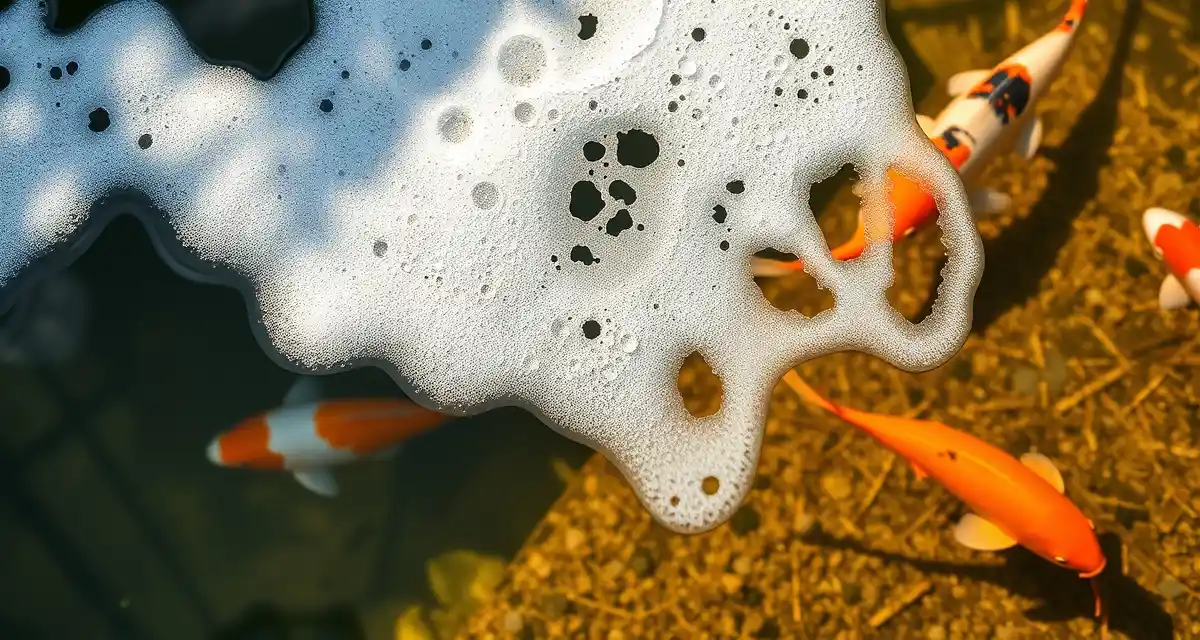
Thick, persistent white foam in a koi pond is often caused by dissolved organic compounds from fish mucus, spawning, or decomposing organics. Most pond foam is benign and tells you something useful about your pond chemistry rather than representing an immediate emergency. But some foam is a warning sign that warrants attention, and knowing the difference matters.
KoiQuanta's correlated water quality and foam event log helps identify whether foam is linked to protein buildup, chemical addition, or dissolved oxygen changes, turning a vague observation into a diagnostic data point.
TL;DR
- This typically resolves protein foam within 24 to 48 hours.
- Tracking trends over time reveals issues before they become visible in fish behavior.
- KoiQuanta connects observations, water data, and treatment records in one searchable history.
- Early detection based on parameter trends reduces treatment costs and fish stress.
- Seasonal changes require adjusted monitoring schedules; automated reminders help maintain consistency.
Types of Koi Pond Foam and What They Mean
Normal operational foam (fine bubbles at waterfall or aerator return):
Fine bubbles forming where water returns to the pond surface from a waterfall or aerator are completely normal. Water agitation at the surface creates surface tension effects that produce bubbles. These dissipate quickly, within seconds to a minute. This is not a concern.
Protein foam (persistent off-white foam that sticks around):
This is the most common "concerning" pond foam. Dissolved organic compounds from fish mucus, uneaten food, fish waste, and decaying organic matter accumulate in the water and create a foam that looks like dishwater foam: thicker, more persistent, yellowish-white, and tends to accumulate in low-flow areas or around the pond edge. This foam is normal in biologically active ponds but indicates elevated dissolved organic content. It's your pond telling you to do a partial water change.
Spawning foam:
Koi spawning produces significant organic material from eggs, fish mucus, and physical spawning activity. This creates thick, sometimes frothy foam that can appear suddenly and cover large areas of the pond surface. This is normal and temporary but can temporarily stress the biological filter and elevate ammonia.
Chemical foam (unusual texture, color, or smell):
Foam caused by chemicals in the water looks different from protein foam. It may be very uniform in bubble size, unusual colors (bright white, grayish), or have a chemical smell. Any foam that appears immediately after adding a chemical to the pond or after a suspected contamination event warrants immediate investigation.
Fine bubbles that don't dissipate:
Persistent very fine bubbles throughout the water column can indicate supersaturation of dissolved gases, often caused by temperature shock or certain equipment configurations. This is called "gas bubble disease" risk and can cause bubbles to form in fish tissue. It's uncommon but worth recognizing.
When to Be Concerned
Foam that appears suddenly without an obvious trigger (no recent water change, no spawning, no chemical addition) warrants water quality testing. Log the foam event in KoiQuanta with a description of the foam appearance, location in the pond, and any recent changes to pond management.
Foam with a chemical smell suggests contamination. Investigate possible contaminant sources immediately. Runoff from recently treated lawns, cleaning product contamination, or industrial contamination can all create unusual foam in outdoor ponds.
Foam accompanied by fish distress. If pond foam coincides with fish gasping, lethargy, or other stress signs, treat as an emergency. Test water quality immediately, particularly dissolved oxygen and ammonia.
Brown or discolored foam may indicate elevated tannins from decaying organic matter or may indicate bacterial activity in the water column.
Resolving Protein Foam
Protein foam responds to:
Partial water change. A 20 to 25% water change dilutes the dissolved organic load and typically resolves mild to moderate protein foam within a day.
Filter cleaning. Protein foam that recurs quickly after water changes often indicates that the biological filter is harboring significant decomposing organic material. Clean mechanical filter stages and increase filter maintenance frequency.
Reduce feeding. Excess food contributes significantly to dissolved organics. If protein foam is persistent, evaluate whether you're feeding more than fish are consuming completely.
Skimmer addition. Protein skimmers, borrowed from reef aquarium practice, remove dissolved organic compounds from water before they decompose. They're effective for high-bioload koi ponds with persistent foam issues.
The koi pond water quality tracker in KoiQuanta stores your foam event notes alongside water quality parameters so you can identify patterns over time.
The dissolved oxygen tracking guide covers DO monitoring relevant to foam events that may be associated with oxygen changes.
Frequently Asked Questions
Is foam always bad in a koi pond?
No. Fine bubbles at waterfall returns and aerator outputs are normal and expected. Some protein foam is normal in healthy, biologically active ponds. The level of concern depends on the foam's persistence, appearance, and association with any water quality changes or fish behavior changes. Log foam events in KoiQuanta to build a history that helps distinguish normal from abnormal.
How do I get rid of foam in my koi pond?
For protein foam (the most common type): do a 20 to 25% partial water change, clean mechanical filter stages, and reduce feeding temporarily. This typically resolves protein foam within 24 to 48 hours. For chemical foam: identify the contamination source, perform emergency water changes, and monitor fish closely. For spawning foam: it resolves on its own as spawning activity ends, but consider increasing aeration and filter maintenance during this period.
Can foam in a koi pond indicate low oxygen?
Indirectly. Foam from dissolved organic compounds is associated with high biological oxygen demand, which can deplete dissolved oxygen. Dense protein foam or organic matter in the water is a lagging indicator that oxygen demand may be elevated. KoiQuanta's correlated foam and DO monitoring shows whether foam events are associated with declining dissolved oxygen readings.
What is What Causes Foam in a Koi Pond and Is It Dangerous??
Foam in a koi pond is typically caused by dissolved organic compounds from fish mucus, spawning activity, decomposing waste, or water agitation at aerators and waterfalls. Fine bubbles at a waterfall return are completely normal. Thick, persistent white foam that lingers is a sign of elevated protein or organic load in the water. Understanding which type you're seeing helps you decide whether to act or simply monitor.
How much does What Causes Foam in a Koi Pond and Is It Dangerous? cost?
Diagnosing and addressing koi pond foam costs nothing if it resolves on its own within 24 to 48 hours. If the cause is an underlying water quality issue, costs depend on the remedy: a partial water change is minimal, while adding beneficial bacteria, adjusting filtration, or treating a disease outbreak can range from a few dollars to over a hundred depending on pond size and severity.
How does What Causes Foam in a Koi Pond and Is It Dangerous? work?
Pond foam forms when organic compounds reduce water surface tension, trapping air bubbles that don't pop quickly. At aerators and waterfalls, agitation is the cause and foam is harmless. In still areas of the pond, persistent foam signals protein buildup, overfeeding, spawning residue, or decomposing organic matter. Tracking water parameters alongside foam events reveals whether the cause is biological, chemical, or mechanical.
What are the benefits of What Causes Foam in a Koi Pond and Is It Dangerous??
Understanding pond foam lets you catch water quality problems before fish show visible stress. Early diagnosis reduces treatment costs and limits fish exposure to harmful conditions. Correlating foam events with water data — ammonia, dissolved oxygen, pH — turns a vague observation into an actionable data point. Consistent monitoring over seasons also reveals patterns that help you adjust feeding schedules and filtration before problems escalate.
Who needs What Causes Foam in a Koi Pond and Is It Dangerous??
Any koi keeper managing a backyard pond or larger water feature benefits from understanding foam causes. Beginners often mistake normal waterfall foam for a problem, or miss the warning signs of persistent organic foam. Experienced hobbyists tracking multiple ponds or managing breeding pairs during spawning season need to distinguish harmless foam from protein buildup quickly to protect fish health.
How long does What Causes Foam in a Koi Pond and Is It Dangerous? take?
Normal operational foam at a waterfall or aerator dissipates almost immediately. Protein foam from organic buildup typically resolves within 24 to 48 hours once the source — overfeeding, waste accumulation, or spawning — is addressed. Foam linked to a chemical addition, disease event, or filtration failure may persist until the root cause is corrected, which could take several days depending on the severity.
What should I look for when choosing What Causes Foam in a Koi Pond and Is It Dangerous??
When evaluating pond foam, look at location, texture, and persistence. Fine bubbles at water returns are normal. Thick, sudsy foam in calm areas that lingers for hours warrants investigation. Check ammonia, nitrite, and dissolved oxygen levels. Review recent changes: new fish added, medication dosed, heavy rainfall, or a spawning event. A logged history of water parameters and observations makes diagnosis significantly faster and more accurate.
Is What Causes Foam in a Koi Pond and Is It Dangerous? worth it?
Yes. Knowing the difference between harmless operational foam and warning-sign foam is one of the most practical skills a koi keeper can develop. Misreading normal foam causes unnecessary chemical treatments; ignoring problematic foam leads to fish stress or loss. The time invested in understanding foam — and in logging water quality data to correlate with foam events — pays off in healthier fish and lower long-term maintenance costs.
Related Articles
- Koi Pond Aeration: How Much Do You Really Need?
- Does Pond Algae Harm Koi? What Algae Levels Are Safe
Sources
- Associated Koi Clubs of America (AKCA)
- Koi Organisation International (KOI)
- University of Florida IFAS Extension Aquaculture Program
- Fish Vet Group
- Water Quality Association