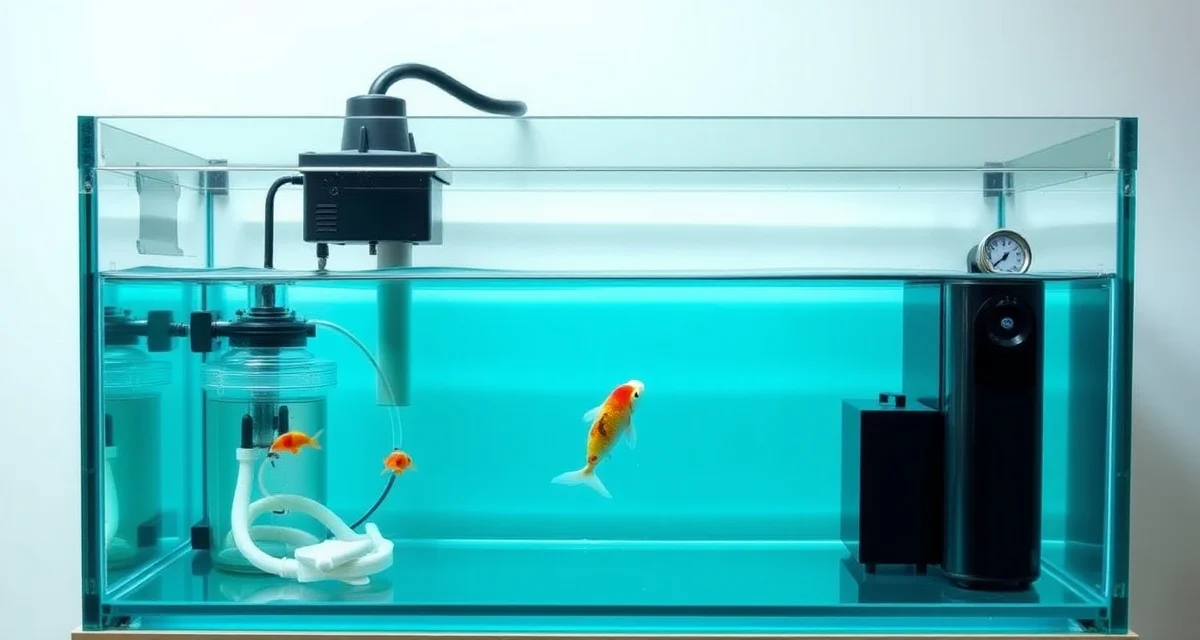
Koi Quarantine Tank Setup: Everything You Need to Get It Right
Undersized quarantine systems cause oxygen crashes that kill new fish before disease can even be treated. This happens more than you'd expect. Someone builds a quarantine tank based on what fish they're buying today, not what they'll be buying in a year. Or they use a tank that's "big enough to hold them" without considering filtration, aeration, and the reality that koi produce waste at a scale that crashes small systems fast.
Getting the quarantine tank setup right is a one-time investment that protects every fish you ever buy. Here's what you actually need.
TL;DR
- Below 200 gallons, koi pond water quality tracker problems develop too fast and too unpredictably for reliable quarantine management.
- Dealers running high-volume import operations often have purpose-built quarantine systems of 1000+ gallons per compartment.
- Establish rapidly (or be seeded from an established source) 2.
- Handle the ammonia load of new, stressed fish 3.
- Be easy to clean and sterilize between batches 4.
- For a 300-gallon tank, use sponge filters rated for at least 500 gallons each.
- Size for a 2-3 hour turnover through the UV.
Quarantine Tank Size: The Minimum You Can Get Away With
Absolute minimum: 200 gallons for 1-3 koi up to 20cm
This is the minimum for functional quarantine. Adequate water volume to dilute waste between water changes, enough space for basic behavior, and enough mass to buffer temperature changes. Below 200 gallons, water quality problems develop too fast and too unpredictably for reliable quarantine management.
Practical minimum for most hobbyists: 300-500 gallons
A 300-500 gallon quarantine tank can handle 2-5 koi in the 15-25cm size range comfortably through a 30-day quarantine. It gives you enough water volume that a single day's missed water change isn't an immediate emergency.
For larger fish or dealer operations: 500-1500+ gallons
If you regularly buy koi in the 40-60cm size range, or process multiple fish at a time, a larger quarantine system is proportional. Dealers running high-volume import operations often have purpose-built quarantine systems of 1000+ gallons per compartment.
Filtration Requirements
Quarantine filtration needs to:
- Establish rapidly (or be seeded from an established source)
- Handle the ammonia load of new, stressed fish
- Be easy to clean and sterilize between batches
- Not create dangerous suction that injures fish
Sponge Filters
The go-to filtration for quarantine tanks. Sponge filters:
- Create no dangerous suction (no fish can get sucked in)
- Can be seeded quickly (place one in your main pond's sump for 2 weeks before you need it)
- Are easy to clean and replace between batches
- Provide biological filtration through the sponge surface area
- Add aeration from the rising air column
Use two sponge filters in any serious quarantine tank. If one gets cleaned or replaced, the other maintains the bacterial culture. For a 300-gallon tank, use sponge filters rated for at least 500 gallons each.
Canister Filters
Good biological filtration capacity, but:
- Can trap and injure small or weak fish at the intake
- Harder to sterilize fully between batches
- More expensive
Use a fine mesh intake guard if using a canister filter in a quarantine tank.
External Box/Hang-On-Back Filters
Generally not recommended for koi quarantine. They're sized for aquariums, not for the waste load of a koi, and the intake design is usually inappropriate.
UV Sterilization for Quarantine
A small UV sterilizer in the quarantine system reduces free-floating pathogens in the water column. For quarantine purposes, this is valuable for reducing cross-contamination between fish in the same tank. Size for a 2-3 hour turnover through the UV.
Turn off the UV when administering any chemical treatment.
Aeration Requirements
The quarantine tank needs more aeration than you'd expect. Stressed fish have higher oxygen demand. Many quarantine treatments (formalin, potassium permanganate) consume dissolved oxygen. And the tank is smaller than the main pond, meaning crashes happen faster.
Minimum: Continuous air pump running two or more diffuser stones in a 300-gallon tank.
Sizing: 2-3 liters of air output per minute for a 300-gallon tank. Double this for tanks in warm climates or for fish receiving treatments.
Run aeration 24/7. Don't turn off the air pump at night. This is a common mistake that results in morning oxygen crashes.
Temperature Control
New koi should be quarantined at temperatures where the most common parasites and diseases will express themselves within the quarantine period.
Optimal quarantine temperature: 18-22°C (65-72°F)
At this temperature:
- Parasites complete life cycles in a timeframe that allows you to catch and treat them within 30 days
- KHV (if present) expresses clinically within 14-21 days
- The fish's immune system is functional (not suppressed by cold as below 12°C)
- Biological filtration runs efficiently
For fish arriving from cold water in winter, match their current temperature and raise gradually (no more than 1°C/day) to the quarantine target temperature.
Heating: A submersible aquarium heater or inline heater on the quarantine pump. For a 300-gallon tank outdoors, you may need 1000-1500W of heating capacity in winter in a cold climate. Indoors or in a heated room, a smaller unit is sufficient.
Cooling: In hot climates, provide shade for the quarantine tank. Running quarantine in summer above 28°C creates oxygen challenges and compresses parasite life cycles in ways that make timing treatments harder.
Water Source and Preparation
Always use dechlorinated water. Never add raw tap water directly to a quarantine tank.
Dechlorination options:
- Sodium thiosulfate dechlorinator: fast and cheap. Add before filling.
- Seachem Prime: also neutralizes chloramines (the more stable chlorine treatment used by many municipal water supplies). More versatile.
- Aged water: storing tap water for 24-48 hours in an aerated container allows chlorine to off-gas. Doesn't work for chloramines.
Test your tap water source for ammonia. Some municipal systems use chloramines that standard test kits read as ammonia. If your source water consistently reads as having ammonia, it's likely chloramines. Use Prime or a chloramine-specific dechlorinator.
Water Parameters Before Fish Introduction
Before adding fish, confirm:
| Parameter | Required Range |
|---|---|
| Ammonia | 0 ppm |
| Nitrite | 0 ppm |
| pH | 7.0 - 8.5 |
| KH | 80+ ppm |
| Temperature | 18-22°C |
| Chlorine/Chloramine | 0 |
If this is a freshly set up tank with no established biological filtration, you have two options:
- Seed the sponge filter from an established system and wait 7-14 days before adding fish
- Use a biological supplement to establish faster, and be prepared for an ammonia spike requiring daily water changes
An uncycled tank will spike ammonia within 24-48 hours of adding fish. You can manage it with daily water changes (25-30% daily), but it's stressful for fish already compromised by transport.
Complete Quarantine Tank Equipment List
- [ ] Tank: 300+ gallons minimum (IBC tote, round stock tank, fiberglass tank, or purpose-built)
- [ ] Two sponge filters (sized for tank volume)
- [ ] Air pump (large enough for your tank volume plus treatment headroom)
- [ ] Air diffuser stones (2+ per sponge filter or separate)
- [ ] Airline tubing and check valves
- [ ] Submersible heater (sized for tank volume and ambient temperature)
- [ ] Reliable thermometer (digital preferred)
- [ ] Test kits: ammonia, nitrite, nitrate, pH, KH
- [ ] Dechlorinator
- [ ] Quarantine medications on hand: pond salt, potassium permanganate, praziquantel, formalin
- [ ] Smooth-mesh net (sized for largest fish you'll quarantine)
- [ ] Bucket for water changes and pre-dissolving salt
- [ ] KoiQuanta with tank profile created and volume entered
Sterilizing Between Quarantine Batches
After each quarantine batch is complete and fish have moved to the main pond:
- Remove and dispose of any media that can't be sterilized
- Drain the tank completely
- Clean all surfaces with a bleach solution (5% sodium hypochlorite at 1:20 dilution)
- Rinse thoroughly. Bleach residue kills fish and destroys sponge filter bacteria.
- Refill, dechlorinate, and re-seed the biological filter before the next batch
Sponge filters can be bleached and re-seeded, or you can keep a backup sponge filter always maturing in the main pond sump to seed the quarantine tank before each use.
Step-by-Step: Setting Up a Quarantine Tank From Scratch
Week before fish arrive:
- Place a sponge filter in your main pond's sump or biological filter chamber to seed
- Set up and fill the quarantine tank with dechlorinated water
- Install and test all equipment (heater, air pump, thermometer)
- Adjust temperature to 18-22°C
Day of fish arrival:
- Test water. All parameters confirmed in range.
- Retrieve seeded sponge filter from main pond. Install in quarantine tank immediately.
- Fish arrive, temperature-match, release
Days 1-3:
- Daily water tests
- Small feeding day 2
- Salt treatment begins day 3
For the full day-by-day protocol, see the complete 30-day koi quarantine program. For tracking all of this in one place, KoiQuanta's automatic parameter tracking starts from day one when you create a quarantine batch. Every test and treatment logs to a timeline you can review and share.
Related Articles
FAQ
What size tank do I need to quarantine koi?
A minimum of 200 gallons for 1-3 small koi (under 20cm). For a practical quarantine setup that most hobbyists can realistically manage, 300-500 gallons is the right range. For fish over 30cm, add 100 gallons per additional fish as a rough guide. Bigger is always better in quarantine. More water volume dilutes waste, buffers temperature swings, and gives you more response time when something goes wrong. The quarantine tank is one area where erring on the side of too large is never a mistake.
Do I need a filter in my quarantine tank?
Yes. Without biological filtration, ammonia spikes within 24-48 hours of adding fish. You can manage without filtration by doing very frequent (daily or twice daily) water changes, but this adds real labor and stress. Two air-driven sponge filters seeded from an established system provide adequate biological filtration without dangerous suction. If you're setting up a fresh quarantine tank, seed the sponge filters in your main pond's filter compartment for at least a week before use.
What water temperature is best for koi quarantine?
18-22°C (65-72°F) is the optimal quarantine temperature. This range supports efficient biological filtration, keeps the fish's immune system functional, allows common parasites to complete life cycles (making them treatable within the quarantine period), and enables KHV expression within the 30-day window if present. Avoid quarantining below 12°C. Parasites and bacterial infections may not express at low temperatures, meaning you'll move fish that appear healthy but are carrying subclinical loads.
What is Koi Quarantine Tank Setup: Everything You Need to Get It Right?
[FAQ_ANSWER_PLACEHOLDER: This answer needs to be generated by AI with specific data, examples, and actionable advice relevant to Koi Quarantine Tank Setup: Everything You Need to Get It Right. Target 50-150 words.]
How much does Koi Quarantine Tank Setup: Everything You Need to Get It Right cost?
[FAQ_ANSWER_PLACEHOLDER: This answer needs to be generated by AI with specific data, examples, and actionable advice relevant to Koi Quarantine Tank Setup: Everything You Need to Get It Right. Target 50-150 words.]
How does Koi Quarantine Tank Setup: Everything You Need to Get It Right work?
[FAQ_ANSWER_PLACEHOLDER: This answer needs to be generated by AI with specific data, examples, and actionable advice relevant to Koi Quarantine Tank Setup: Everything You Need to Get It Right. Target 50-150 words.]
What are the benefits of Koi Quarantine Tank Setup: Everything You Need to Get It Right?
[FAQ_ANSWER_PLACEHOLDER: This answer needs to be generated by AI with specific data, examples, and actionable advice relevant to Koi Quarantine Tank Setup: Everything You Need to Get It Right. Target 50-150 words.]
Who needs Koi Quarantine Tank Setup: Everything You Need to Get It Right?
[FAQ_ANSWER_PLACEHOLDER: This answer needs to be generated by AI with specific data, examples, and actionable advice relevant to Koi Quarantine Tank Setup: Everything You Need to Get It Right. Target 50-150 words.]
Sources
- Associated Koi Clubs of America (AKCA)
- Koi Organisation International (KOI)
- University of Florida IFAS Extension Aquaculture Program
- Fish Vet Group
- Water Quality Association