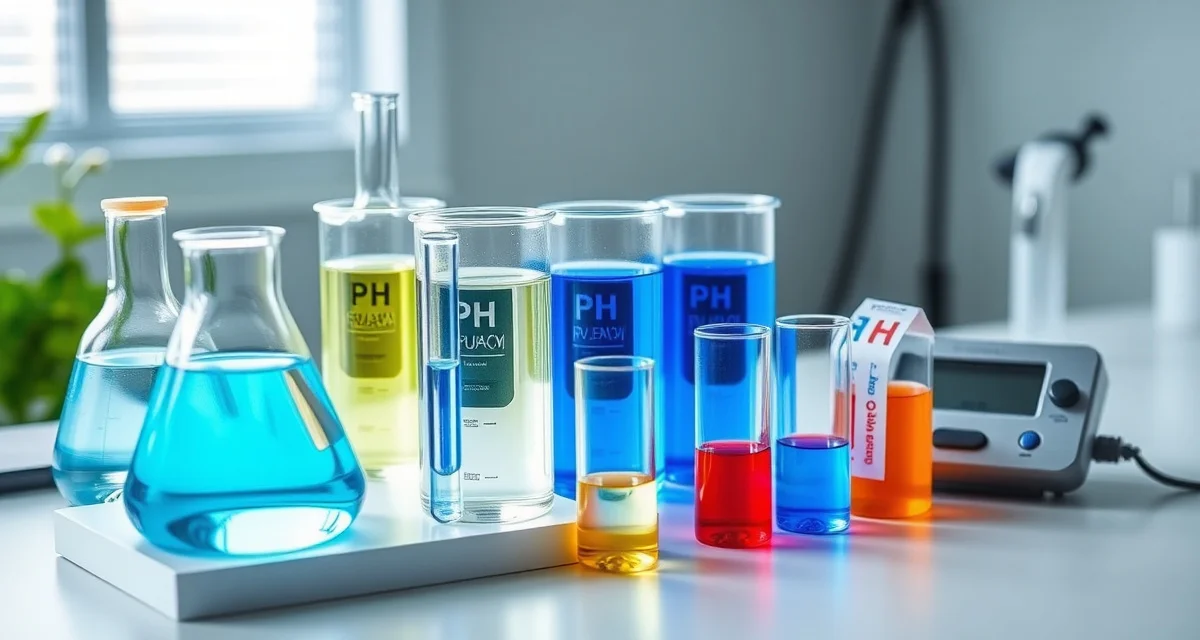
Koi Water Chemistry: Complete Resource Hub
Water quality problems cause more koi deaths than disease in established ponds. Most hobbyists understand this in principle. What they underestimate is how interconnected the various parameters are and how subtle the early warning signs can be.
This hub organizes everything you need to know about koi pond water chemistry: the parameters that matter, how to test them, how to adjust them, how they change through seasons, and how KoiQuanta's integrated tracking system turns your readings into actionable insights. No competitor offers integrated parameter tracking with health event correlation the way KoiQuanta's unified dashboard does.
TL;DR
- Two forms exist: ionized ammonium (NH4+, relatively harmless) and un-ionized ammonia (NH3, highly toxic).
- At pH 8.5, a much higher proportion of total ammonia is in the toxic NH3 form than at pH 7.0.
- Up to 0.25 mg/L is manageable short-term if pH is below 7.5.
- Above 0.5 mg/L at neutral pH is dangerous; much lower thresholds apply at high pH.
- Above 0.2 mg/L is concerning; above 0.5 mg/L is dangerous and warrants emergency action.
- Most koi tolerate up to 40-80 mg/L without acute stress, though chronic exposure above 40 mg/L suppresses immune function over time.
- Below 20 mg/L is ideal for high-grade fish.
Understanding Koi Water Chemistry: The Core Parameters
Ammonia (NH3 / NH4+)
Ammonia is produced by fish respiration, urine, and the decomposition of uneaten food and organic waste. It's the primary waste product of koi metabolism.
Two forms exist: ionized ammonium (NH4+, relatively harmless) and un-ionized ammonia (NH3, highly toxic). The ratio between these forms shifts dramatically with pH and temperature. At pH 8.5, a much higher proportion of total ammonia is in the toxic NH3 form than at pH 7.0.
Safe range: Total ammonia below 0.05 mg/L in established ponds. Up to 0.25 mg/L is manageable short-term if pH is below 7.5. Above 0.5 mg/L at neutral pH is dangerous; much lower thresholds apply at high pH.
Testing frequency: Daily in new ponds during cycling, weekly in established systems, daily during disease events or after any significant change.
KoiQuanta tracking: The koi ammonia guide explains how KoiQuanta's ammonia log displays both total ammonia and calculated toxic fraction based on your logged pH and temperature, giving you the actual toxicity picture rather than just the number.
Nitrite (NO2-)
Nitrite is the intermediate compound in the nitrogen cycle, produced when nitrifying bacteria (Nitrosomonas) convert ammonia. High nitrite is common in new ponds during cycling and in established ponds after biological filter disruptions.
Nitrite enters koi through the gills and converts hemoglobin to methemoglobin, which can't carry oxygen. Fish suffering from nitrite toxicity may gasp at the surface even in oxygenated water.
Safe range: Below 0.1 mg/L. Above 0.2 mg/L is concerning; above 0.5 mg/L is dangerous and warrants emergency action.
Emergency intervention: Salt added to 0.3% blocks nitrite uptake at the gill through competitive ion inhibition. This is one of the fastest interventions available for nitrite toxicity.
Testing frequency: Matching ammonia testing frequency. Critical in any new pond or post-filter disruption.
Nitrate (NO3-)
Nitrate is the end product of biological filtration, converted from nitrite by Nitrobacter bacteria. Unlike ammonia and nitrite, nitrate accumulates gradually and is removed primarily through water changes and plant uptake.
Nitrate is far less toxic than ammonia or nitrite. Most koi tolerate up to 40-80 mg/L without acute stress, though chronic exposure above 40 mg/L suppresses immune function over time.
Safe range: Below 40 mg/L for established ponds. Below 20 mg/L is ideal for high-grade fish.
Testing frequency: Weekly in established ponds. Rising nitrate with stable ammonia and nitrite indicates adequate biological filtration but insufficient water changes.
pH
pH measures hydrogen ion concentration and determines the acid-alkaline balance of your water. The koi safe range is 7.0-8.5, with 7.2-8.0 being the practical target.
pH matters greatly for koi health because it affects:
- Ammonia toxicity (higher pH = more toxic un-ionized ammonia)
- Many medication efficacies (some treatments work best in specific pH ranges)
- Biological filtration bacteria performance (they're sensitive to pH below 6.5)
The daily fluctuation problem: In ponds with algae or aquatic plants, photosynthesis drives pH up during daylight (consuming CO2) and respiration drives pH down overnight (producing CO2). Ponds can swing 0.5-1.0 pH units in 24 hours. This is normal but can compound with other issues.
Testing timing: Test in the morning (lowest pH of the day) and late afternoon (highest pH) to understand the full daily range.
KH (Carbonate Hardness / Total Alkalinity)
KH is the buffering capacity of the water, measuring its ability to resist pH changes. A KH of at least 120 mg/L provides effective natural buffering against daily pH swings driven by algae and biological activity.
Low KH is the root cause of most pH crash events. When KH falls below 60 mg/L, a pond loses its buffering capacity and pH can drop rapidly overnight, sometimes reaching 6.0 or lower, causing whole-pond casualties.
Safe range: 100-200 mg/L. Below 80 mg/L warrants active management.
Testing frequency: Monthly in established ponds with good water sources. More frequently in soft-water areas or ponds with heavy planting.
Adjustment: Sodium bicarbonate (baking soda) raises KH and pH gently. Calcium carbonate (agricultural lime) raises both KH and GH.
GH (General Hardness)
GH measures dissolved calcium and magnesium ions. These minerals support koi osmoregulation (salt balance in their bodies and across their gill membranes). Very soft water (below 100 mg/L GH) stresses koi osmoregulation over time.
Safe range: 100-300 mg/L. Most tap water supplies are adequate. Well water and rainwater may be too soft.
Testing frequency: Monthly. Stable in most water sources; may decline in ponds topped up with rainwater.
Dissolved Oxygen (DO)
Dissolved oxygen is arguably the most critical safety parameter after ammonia. Koi require a minimum of 5 mg/L at all times, with 7+ mg/L preferred.
DO decreases with rising temperature (warm water holds less oxygen), increasing biological oxygen demand (more bacteria, more fish, more organic load), and reduced surface exchange (calm nights, ice cover).
The critical summer risk: on the hottest nights of summer, a heavily stocked pond with a bloom of algae can see DO drop from 7 mg/L in the afternoon to below 4 mg/L before dawn. Fish can die from oxygen depletion within hours.
Testing frequency: Weekly in summer, especially during hot spells. Daily monitoring is ideal during heat events.
Emergency response: Additional aeration immediately if fish are showing distress. Air stones, waterfall activation, or supplemental aeration equipment.
Temperature
Temperature affects every other parameter's interpretation. It controls:
- Ammonia toxicity (higher temperature = faster metabolism, more ammonia production)
- Medication efficacy (many treatments work poorly below 10°C)
- Dissolved oxygen saturation (inverse relationship)
- Fish immune function (suppressed below 10°C and above 28°C)
- Feeding requirements (koi stop feeding below 8-10°C)
Koi comfort range: 15-25°C (59-77°F). Tolerated from near freezing to 30°C with proper management.
Parameter Interactions: Why You Can't Read Numbers in Isolation
Water chemistry parameters interact with each other in ways that change their individual meaning significantly. The koi water quality parameter interactions guide covers these in full detail. The most critical interactions to understand:
pH and ammonia toxicity: At pH 7.0, ammonia at 1 mg/L has a toxic fraction of roughly 1%. At pH 8.5, the same 1 mg/L total ammonia has a toxic fraction of approximately 30%. A reading that's safe at one pH becomes dangerous at another. KoiQuanta calculates and displays the toxic ammonia fraction based on your current logged pH and temperature, not just the raw ammonia number.
Temperature and dissolved oxygen: Water at 15°C holds about 10 mg/L of oxygen at saturation. Water at 28°C holds only about 8 mg/L. A heavily stocked summer pond can drop below the safety threshold even with good aeration if temperatures are very high.
KH and pH stability: Low KH makes pH crashes possible. Without buffering capacity, any acid-producing process (algae respiration overnight, bacterial activity, CO2 buildup) can push pH below safe levels rapidly.
Testing Your Koi Pond Water
Test Kit Types
Liquid drop test kits are the most accurate for ammonia, nitrite, and nitrate. API and Salifert are reliable brands used by experienced hobbyists. They require color matching against a card, which introduces some user interpretation variability, but results are reliable when done correctly.
Test strips are fast and convenient but less accurate. Suitable for regular quick checks but not for making dosing decisions. Use liquid kits to confirm before treating.
Digital meters are ideal for pH, temperature, and dissolved oxygen. Good pH meters are accurate and repeatable. Digital DO meters are particularly valuable for summer monitoring.
Lab testing services can measure GH, KH, heavy metals, and specific conductance. Worth doing once when you set up a new pond to establish your water source baseline.
Testing Schedule by Season
Water chemistry is not static. Seasonal water parameter changes in koi ponds are significant and predictable.
Spring:
- Test daily for the first 2-3 weeks after temperatures consistently exceed 10°C
- Ammonia and nitrite often spike as biological filtration wakes up from winter dormancy
- Check pH morning and afternoon as algae blooms begin
- Frequency: Daily
Summer:
- Monitor dissolved oxygen daily during hot spells (above 28°C)
- Test ammonia and nitrite weekly; more frequently if feeding heavily
- Track temperature daily to anticipate DO stress periods
- Frequency: Weekly (daily DO checks in heat)
Autumn:
- Watch for falling temperatures affecting medication efficacy windows
- Ammonia often rises as leaves and organic material enter the pond
- Final test before winter dormancy
- Frequency: Weekly
Winter:
- Test monthly if koi are in outdoor dormancy (minimal feeding, minimal activity)
- Focus on pH stability if pond is partially iced
- Skip ammonia testing unless fish show unusual activity
- Frequency: Monthly
Adjusting Water Parameters
Raising pH and KH
Sodium bicarbonate (baking soda): Add 1 tablespoon per 100 gallons to raise pH gently. This also adds KH. Dissolve in a bucket of pond water before adding to distribute evenly.
Calcium carbonate: Raises both GH and KH. Slower to dissolve but more persistent.
Never raise pH by more than 0.5 units in 24 hours. Rapid pH changes are themselves stressful to koi.
Lowering pH
Peat moss filtration: Adds tannins and gentle acids. Slow but sustainable.
Water changes with lower-pH source water: Most reliable approach.
CO2 injection: Used in planted systems, not typical for koi ponds.
Addressing Ammonia
The fastest safe reduction is a water change (25-50%). Reduce feeding immediately. Check filtration is functioning correctly. Do not add salt to a pond with zeolite, as salt releases absorbed ammonia back into the water.
Managing Nitrite
Emergency: salt to 0.3% blocks uptake at the gill. Water changes reduce concentration. The root cause is almost always a biological filtration issue (disruption, overloading, or under-cycling).
How KoiQuanta Tracks and Analyzes Water Chemistry
KoiQuanta's unified dashboard integrates all water chemistry data into a single view with several capabilities that manual tracking can't match.
Trend analysis: KoiQuanta monitors the trajectory of each parameter across recent readings and alerts you when a parameter is trending toward danger, not just when it crosses a threshold. This typically provides 3-7 days of advance warning for gradual problems.
Parameter correlation: KoiQuanta overlays your health event records on your parameter history. When a disease event occurs, you can see immediately what the water chemistry was doing in the preceding days and weeks, helping identify predisposing factors.
Calculated toxic ammonia: Based on your logged pH and temperature, KoiQuanta calculates and displays the toxic fraction of your ammonia reading. You see actual toxicity, not just total ammonia.
Seasonal comparison: After your first full year of data, KoiQuanta shows you how current parameter values compare to the same period in previous years. This identifies deviations from your pond's normal seasonal pattern.
Dose calculation integration: When an alert triggers or you log a disease event, KoiQuanta's dose calculator is pre-loaded with your current pond volume and parameters, ready to compute the correct treatment dose without manual setup.
Common Water Chemistry Problems and Causes
| Problem | Likely Causes | First Response |
|---|---|---|
| Ammonia rising | Overfeeding, filter issues, new fish, organic load | Reduce feeding, water change, check filter |
| Nitrite spike | New pond, filter disruption, overloading | Salt to 0.3%, water change, reduce feeding |
| pH too high (>8.5) | Heavy algae blooms, hard water source | Algae management, CO2 buffering |
| pH crash | Low KH, overnight algae respiration | KH buffer (sodium bicarbonate) |
| Low dissolved oxygen | High temperature, algae crash, overloading | Emergency aeration |
| High nitrate | Insufficient water changes, overfeeding | Increase water change frequency |
| Low GH | Rainwater top-up, soft water source | Calcium carbonate addition |
When to Get a Veterinary Water Assessment
Most water chemistry problems are manageable at home with the testing and adjustment toolkit above. Seek professional advice when:
- You've addressed the obvious causes but parameters won't stabilize
- Fish are dying despite apparently normal parameters
- You suspect specific contaminants (heavy metals, pesticides, chloramine from municipal supply)
- A new water source is being used and you don't have a baseline profile
Your local fish vet or water testing laboratory can run a panel that includes parameters your home test kit doesn't cover. KoiQuanta supports attaching lab test results to your parameter record for complete historical documentation.
Frequently Asked Questions
What are the ideal water parameters for koi?
The practical target ranges for koi ponds are: ammonia below 0.05 mg/L in established systems, nitrite below 0.1 mg/L, nitrate below 40 mg/L, pH between 7.2 and 8.0, KH above 120 mg/L for stable buffering, GH between 100 and 300 mg/L, dissolved oxygen above 7 mg/L, and temperature between 15 and 25°C for optimal health. These are comfortable management targets. Koi tolerate deviations in most parameters for short periods, but chronic exposure to values outside these ranges suppresses immune function and increases disease susceptibility over time.
How do I test koi pond water?
Use liquid drop test kits for ammonia, nitrite, and nitrate (API Master Test Kit is widely used). Use a calibrated digital meter or liquid drop kit for pH. Use a digital dissolved oxygen meter for DO monitoring, especially in summer. Test strips are convenient for routine checks but should be confirmed with liquid kits before making dosing decisions. Test at consistent times for comparison: ammonia and nitrite in the morning, pH both morning and afternoon to understand your daily swing. Log every result in KoiQuanta immediately so the trend analysis has accurate data to work with.
What is the most dangerous water quality parameter for koi?
Ammonia and dissolved oxygen are both capable of killing koi rapidly, but for different reasons. Ammonia at toxic concentrations (above 1 mg/L at neutral pH) damages gill tissue and causes systemic toxicity, typically killing fish over hours to days. Dissolved oxygen depletion below 2 mg/L can kill large koi within 2-4 hours, especially in warm summer conditions when their oxygen demand is highest. The combination of high ammonia and low dissolved oxygen (common in heavily stocked summer ponds with inadequate aeration) is particularly lethal. Early detection of trends in both parameters is why KoiQuanta's alert system prioritizes ammonia and DO monitoring above all other parameters.
What is Koi Water Chemistry: Complete Resource Hub?
[FAQ_ANSWER_PLACEHOLDER: This answer needs to be generated by AI with specific data, examples, and actionable advice relevant to Koi Water Chemistry: Complete Resource Hub. Target 50-150 words.]
How much does Koi Water Chemistry: Complete Resource Hub cost?
[FAQ_ANSWER_PLACEHOLDER: This answer needs to be generated by AI with specific data, examples, and actionable advice relevant to Koi Water Chemistry: Complete Resource Hub. Target 50-150 words.]
How does Koi Water Chemistry: Complete Resource Hub work?
[FAQ_ANSWER_PLACEHOLDER: This answer needs to be generated by AI with specific data, examples, and actionable advice relevant to Koi Water Chemistry: Complete Resource Hub. Target 50-150 words.]
What are the benefits of Koi Water Chemistry: Complete Resource Hub?
[FAQ_ANSWER_PLACEHOLDER: This answer needs to be generated by AI with specific data, examples, and actionable advice relevant to Koi Water Chemistry: Complete Resource Hub. Target 50-150 words.]
Who needs Koi Water Chemistry: Complete Resource Hub?
[FAQ_ANSWER_PLACEHOLDER: This answer needs to be generated by AI with specific data, examples, and actionable advice relevant to Koi Water Chemistry: Complete Resource Hub. Target 50-150 words.]
How long does Koi Water Chemistry: Complete Resource Hub take?
[FAQ_ANSWER_PLACEHOLDER: This answer needs to be generated by AI with specific data, examples, and actionable advice relevant to Koi Water Chemistry: Complete Resource Hub. Target 50-150 words.]
What should I look for when choosing Koi Water Chemistry: Complete Resource Hub?
[FAQ_ANSWER_PLACEHOLDER: This answer needs to be generated by AI with specific data, examples, and actionable advice relevant to Koi Water Chemistry: Complete Resource Hub. Target 50-150 words.]
Is Koi Water Chemistry: Complete Resource Hub worth it?
[FAQ_ANSWER_PLACEHOLDER: This answer needs to be generated by AI with specific data, examples, and actionable advice relevant to Koi Water Chemistry: Complete Resource Hub. Target 50-150 words.]
Related Articles
Sources
- Associated Koi Clubs of America (AKCA)
- Koi Organisation International (KOI)
- University of Florida IFAS Extension Aquaculture Program
- Fish Vet Group
- Water Quality Association