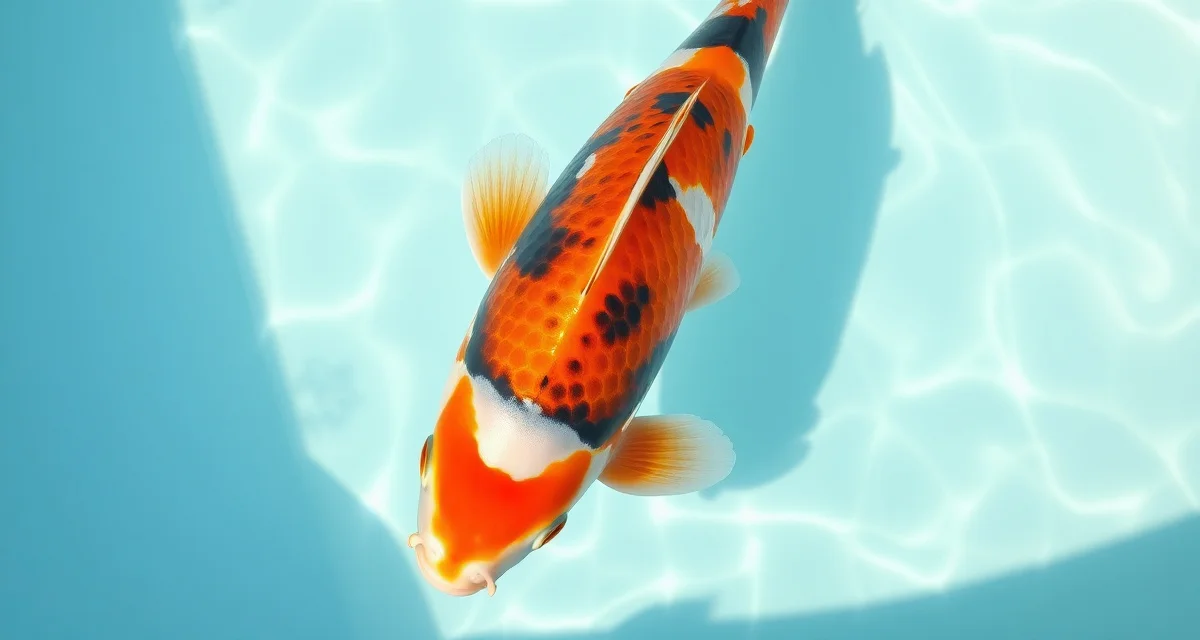
Koi Show Judging: How Koi Are Scored and Evaluated
Koi show judging emphasizes body conformation, skin quality, and pattern balance equally. This surprises many hobbyists who focus intensely on pattern when selecting show fish -- a beautiful pattern on a fish with poor body conformation or dull skin will consistently lose to a simpler, well-patterned fish with excellent skin quality and body shape. Understanding this balance changes how you evaluate potential show fish.
TL;DR
- Consistent water quality monitoring is the most effective way to prevent problems with koi show judging.
- Tracking trends over time reveals issues before they become visible in fish behavior.
- KoiQuanta connects observations, water data, and treatment records in one searchable history.
- Early detection based on parameter trends reduces treatment costs and fish stress.
- Seasonal changes require adjusted monitoring schedules; automated reminders help maintain consistency.
The Two Major Judging Systems
AKCA (Associated Koi Clubs of America): The standard system for shows in the United States. AKCA shows classify fish by variety and size class, with judges evaluating within each class. The AKCA system recognizes the standard Japanese variety classifications and applies judging criteria based on published standards.
ZNA (Zen Nihon Airinkai): The Japanese national association with international chapters. ZNA shows follow very traditional Japanese judging standards and often have judges with deep connections to the Japanese breeding world. ZNA shows in the US tend to attract the highest-level competition.
Japanese show standards (Nishikigoi shows in Japan): The global benchmark, particularly for the major shows like the All Japan show and the Hanover show. Japanese judges are the gold standard of expertise, and understanding Japanese judging philosophy helps you understand what all koi judging is trying to achieve.
Body Conformation: The Foundation of Show Quality
Before judges look at pattern or color, they assess the fish's body. A koi with beautiful pattern and poor body conformation will not win at a serious show.
What judges evaluate in body:
Shape from above: The traditional "torpedo" shape -- wide at the shoulders, tapering to the tail. Viewed from above, the widest point should be in the front third of the body, with a smooth, consistent taper toward the tail peduncle.
Body depth: Appropriate body depth (girth relative to length) for the fish's age and variety. Shallow, flat-bodied fish indicate either genetics or poor condition. A fish should have appropriate volume for its length.
Symmetry: The body should be symmetric left-right when viewed from above or below. Slight asymmetries are noticed by experienced judges even when they're not immediately obvious.
Back profile: Viewed from the side, the dorsal profile should be straight or slightly arched. Hollow backs, humped backs, or other deviation from a smooth profile are faults.
Fin shape and condition: All fins should be intact, correctly shaped, and held naturally. Fin damage, deformation, or missing fin rays reduce scores. Pectoral fins should be appropriate size and shape for the variety.
Tail peduncle: Should be strong and appropriately sized -- the narrowest part of the body just before the caudal fin.
KoiQuanta fish profiles support show results logging alongside health and growth records, letting you build a history of which fish perform well at shows and correlate that with the health and management data from your records.
Skin Quality: Where Champions Are Made
Skin quality is arguably the most important judging criterion at the highest levels of the hobby, and it's the hardest for beginners to assess. The Japanese term is "hikarimono" quality or simply good skin -- it describes a depth, clarity, and luster to the skin that distinguishes top-grade fish.
Key skin quality elements:
Shiroji (white skin): In varieties with white background (Kohaku, Sanke, Showa, Bekko), the white should be pure snow-white -- not yellowish, not gray-tinged, and without blemish. The best white has a quality sometimes described as "cotton-white" or "silk-white." Yellowish or dingy white is a serious fault at shows.
Beni/hi (red) quality: Red should be deep, vivid, and consistent throughout the pattern. Surface shimis (dark spots within the red that indicate uneven pigmentation) reduce quality noticeably. The red should be the same shade throughout the pattern, not fading at edges or showing mottling.
Sumi (black) quality: Black should be deep lacquer-black, not gray or faded. In Showa and Sanke, sumi quality varies -- young fish often have incomplete sumi that fills in with age. Judges assess not just current sumi quality but the depth and permanence of the black.
Skin luster (tsuya): The ineffable depth quality that distinguishes show-quality fish from average ones. Fish with excellent tsuya seem to glow slightly -- their skin has a depth and reflectivity that photographs cannot fully capture. This is one reason experienced show buyers insist on evaluating fish in person.
Pattern Balance: What Judges Are Looking For
Pattern assessment varies significantly by variety. What constitutes good pattern in a Kohaku is completely different from what's evaluated in a Showa or an Ogon.
Kohaku Pattern Standards
Head mark: A red marking on the head is generally required for top placement. "Hachiware" (red split at the nose) and other specific head patterns are recognized. No head marking is a significant disadvantage.
Pattern flow: The pattern should flow continuously from head to tail with visual balance. Isolated spots are less valued than connected, flowing patterns. The traditional multi-step pattern (Sandan, Yondan) should have visually proportionate steps that balance left-right and front-back.
Tail cut: The red pattern should end before the tail -- white at the tail peduncle (called "odome") is desirable. Red running all the way to the tail fin reduces pattern balance.
Kiwa (pattern edges): The boundary between red and white should be clean and crisp, not fuzzy or blurred. Excellent kiwa takes years to develop and is one of the hallmarks of top Kohaku.
What Do Judges Look for in a Kohaku?
Judges evaluate Kohaku on shiroji quality first (is the white exceptional?), then hi quality (depth, consistency, kiwa), then pattern balance (does the arrangement satisfy the eye?), and finally body conformation. A fish with mediocre pattern but exceptional skin quality can outplace a fish with beautiful pattern and mediocre skin. This is the lesson that surprises novice show entrants most consistently.
Showa Pattern Standards
Showa is evaluated differently because it's fundamentally a black fish. The sumi should wrap powerfully around the body (the "wrap" creating the distinctive Showa look), and the motoguro (black wrapped around the pectoral fin base) should be present and well-defined. Pattern balance in Showa involves the relationship between all three colors -- white, red, and black -- rather than just the placement of a red pattern on white.
What Is the AKCA Grand Champion Standard?
The AKCA Grand Champion is selected from the size champion winners across all variety classes. The judges are looking for the fish that best represents the highest standard of koi quality -- the fish that combines the best body, the best skin, and the best pattern in the room, regardless of variety.
Go-Sanke varieties (especially Kohaku) dominate the Grand Champion placement in most shows because the judging standards for these varieties are most thoroughly developed and the fish bred to these standards often represent the pinnacle of koi development. However, an exceptional example of any variety can take Grand Champion.
Preparing for shows involves decisions about which fish to enter and how to present them. For the show preparation process, the koi show preparation guide covers the logistics side, including post-show quarantine planning for fish that return from shows.
Frequently Asked Questions
How are koi judged at shows?
Koi are sorted into class by variety and size. Within each class, judges evaluate fish on body conformation (shape, symmetry, depth), skin quality (shiroji, beni, sumi quality and tsuya), and pattern balance (arrangement, kiwa quality, appropriate variety-specific standards). At AKCA and ZNA shows, size class winners are selected first, then an overall champion is selected from among the class winners. Judging emphasizes skin quality and body conformation as much as pattern -- a common surprise for hobbyists focused primarily on pattern when selecting show fish.
What do judges look for in a Kohaku?
In order of importance at top shows: white skin quality (shiroji should be pure, snow-white with no yellow tint or blemish), hi (red) quality and consistency (deep, vivid, consistent shade with crisp kiwa), pattern balance (flowing arrangement with appropriate head marking and odome at the tail), and body conformation (torpedo shape, appropriate depth, correct fin shape). The best Kohaku at shows often have relatively simple, balanced patterns with exceptional skin quality -- rather than complex patterns on mediocre skin.
What is the AKCA grand champion standard?
The AKCA Grand Champion is selected from all variety and size class winners -- it's the best overall koi in the show, regardless of variety. Judges assess the Grand Champion candidate on the totality of quality: does this fish represent the ideal of koi quality better than any other fish in the room? Strong body conformation, exceptional skin quality, well-developed pattern, and that difficult-to-quantify overall visual impact all factor in. Go-Sanke varieties, particularly Kohaku and Showa, win Grand Champion most frequently, but extraordinary examples of any variety are eligible.
What is Koi Show Judging: How Koi Are Scored and Evaluated?
Koi show judging is the structured process by which trained judges evaluate koi fish in competitive exhibitions. Fish are scored on three primary criteria: body conformation (shape and symmetry), skin quality (luster, clarity, and health), and pattern balance (distribution and definition of color markings). Two major systems govern shows — AKCA in the United States and ZNA internationally. Understanding judging criteria helps hobbyists select, develop, and present fish that score competitively across all three dimensions, not just pattern alone.
How much does Koi Show Judging: How Koi Are Scored and Evaluated cost?
Entering a koi show typically costs between $10 and $50 per fish in entry fees, depending on the show's size and organization. Hobbyists should also budget for transport equipment, show tanks or vats, water treatment supplies, and travel if the event is regional or national. There are no fees to attend most shows as a spectator. The primary investment is in the fish themselves and the ongoing care required to develop a fish to show-ready condition.
How does Koi Show Judging: How Koi Are Scored and Evaluated work?
Koi are entered into size and variety classes, then evaluated by certified judges who examine each fish individually. Judges assess body shape from above and in profile, inspect skin for clarity and luster under show lighting, and evaluate pattern for balance and definition. Fish are scored or ranked within their class, with top fish advancing to higher-level judging rounds. The best overall fish across all classes competes for the grand champion title, called the Grand Champion or Tategoi award.
What are the benefits of Koi Show Judging: How Koi Are Scored and Evaluated?
Understanding show judging helps hobbyists make better fish selection decisions and improve their overall pond quality. Learning to evaluate body conformation and skin quality — not just pattern — trains your eye for healthier, more balanced fish. Show participation also connects you with experienced breeders and judges, accelerating your knowledge. Tracking your fish's development with tools like KoiQuanta lets you correlate water quality trends with skin condition improvements, giving you a measurable edge in preparing fish for competition.
Who needs Koi Show Judging: How Koi Are Scored and Evaluated?
Koi show judging knowledge benefits anyone keeping koi, whether or not they plan to compete. Hobbyists who understand judging criteria select higher-quality fish from breeders and dealers. Competitive keepers use these standards to evaluate their existing stock and identify which fish have show potential. Breeders benefit by understanding what the market and judges value. Even casual pond owners gain from learning to assess skin quality and body shape, as these traits directly reflect fish health and husbandry quality.
How long does Koi Show Judging: How Koi Are Scored and Evaluated take?
A single judging session at a show typically takes one to three days, depending on the event's size and number of entries. Individual fish are examined for a few minutes each during preliminary rounds, with grand champion selection taking additional time. Preparing a fish for show, however, is a long-term process — developing a koi to peak condition for competition can take one to three years of careful feeding, water management, and health monitoring before the fish reaches its competitive potential.
What should I look for when choosing Koi Show Judging: How Koi Are Scored and Evaluated?
When evaluating koi for show potential, prioritize body conformation first: look for a broad, deep body with smooth, symmetrical curves and no deformities. Next, assess skin quality — the surface should appear bright, lustrous, and clear with no dullness or blemishes. Finally, evaluate pattern for balance and definition across the body. Avoid fish where an attractive pattern compensates for a weak body or poor skin. A simpler pattern on a structurally excellent fish will consistently outplace a complex pattern on a flawed one.
Is Koi Show Judging: How Koi Are Scored and Evaluated worth it?
For serious hobbyists, understanding koi show judging is genuinely worthwhile. It fundamentally changes how you evaluate and purchase fish, directing focus toward traits — body shape and skin quality — that also indicate long-term health and development potential. Show participation builds relationships with top breeders and judges that are difficult to access otherwise. Even if competition isn't your goal, applying show standards to your fish selection raises the overall quality of your pond and deepens your appreciation for what makes a truly exceptional koi.
Related Articles
- Koi Pond Software Comparison: Every Option Evaluated for 2026
- Koi Quarantine Discharge Criteria: When Is It Safe
- Entering Koi in a Show: Step-by-Step Application Guide
Sources
- Associated Koi Clubs of America (AKCA)
- Koi Organisation International (KOI)
- University of Florida IFAS Extension Aquaculture Program
- Fish Vet Group
- Water Quality Association