Preparing Koi for Shows: Health, Conditioning, and Travel Management
Koi entered in shows should begin a structured conditioning and health optimization program at least 6 weeks before the show date. That 6-week window is not arbitrary - it's the time required to cycle a health check, address any sub-clinical issues, complete a conditioning feeding program, and have the fish in peak condition on show day rather than still recovering from a late health intervention.
KoiQuanta's show conditioning protocol schedules the 6-week pre-show preparation program that maximizes koi color, condition, and immunity, and its show preparation tracker keeps every step organized.
TL;DR
- KoiQuanta's show conditioning protocol schedules the 6-week pre-show preparation program that maximizes koi color, condition, and immunity, and its show preparation tracker keeps every step organized.
- The 6-week timeline covers: Week 6-5: Health assessment and any treatment needs.
- Any sub-clinical health issues - early parasite burden, mild fin damage, any skin abnormality - should be identified and addressed at the 6-week mark so the fish has time to recover fully before the show.
- Week 6-5: complete a health assessment and address any sub-clinical issues.
- Week 5-3: conditioning feeding program with high-quality color-enhancing and high-protein foods.
- Week 3-2: tighten water quality management to optimal parameters.
- Week 2: final health check - the fish should be in peak health with no concerns.
Why Show Preparation Starts 6 Weeks Out
Most hobbyists think about show preparation in the final week - pulling fish, packing, and getting to the show site. The fish that win at shows were managed strategically for the two months before the show, not the two days before.
The 6-week timeline covers:
Week 6-5: Health assessment and any treatment needs. A fish going to a show should have a clean bill of health. Any sub-clinical health issues - early parasite burden, mild fin damage, any skin abnormality - should be identified and addressed at the 6-week mark so the fish has time to recover fully before the show. This is also when you confirm the fish's koi quarantine program status - any fish returning from a show or recently acquired will need quarantine before being eligible for your next show entry.
Week 5-3: Conditioning feeding. This period focuses on optimal nutrition for peak color development and body condition. High-quality color-enhancing foods high in spirulina and astaxanthin support red and orange color intensity. High-protein foods support muscle and body depth.
Week 3-2: Reduce feeding slightly and increase water quality management. Excellent water quality in the weeks before a show is critical for scale clarity, color brilliance, and overall condition score. This is the period where your KoiQuanta parameter tracking earns its value - you're actively managing toward optimal parameters, not just maintaining acceptable ones.
Week 2-1: Final health check. Confirm the fish is in peak health with no visible issues. If anything warrants concern, you have time to either address it or decide not to show the fish this time.
Week 1: Reduce feeding to 50-75% of normal. This reduces intestinal loading, which reduces the amount of waste the fish produces during transport - important for maintaining water quality in a transport bag.
Water Quality Targets for Show Conditioning
In the 4 weeks before a show, manage your display pond parameters as tightly as possible:
- pH: 7.2-7.8 (stable, no fluctuations)
- Ammonia: 0 ppm
- Nitrite: 0 ppm
- Nitrate: below 20 ppm
- Temperature: 68-75°F (if you have heating capacity)
- Dissolved oxygen: above 8 mg/L
Log these parameters daily in KoiQuanta during the conditioning period. If any parameter is out of target range, address it immediately rather than letting it persist. A fish maintained in excellent water quality for four weeks before a show displays noticeably better skin quality and color than the same fish maintained in adequate but not optimal water.
Selecting the Right Fish to Show
Not every fish in your collection is show-ready at every point in time. Criteria for show selection:
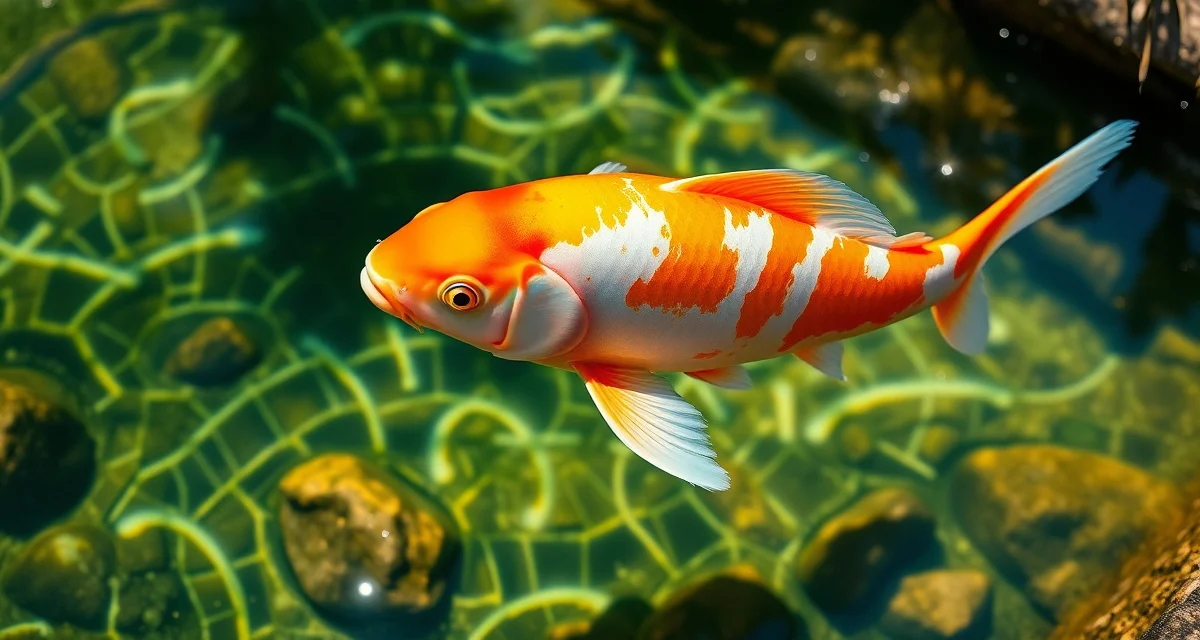
Body condition: The fish should have good depth and a healthy, well-proportioned body shape. Thin fish or fish with concave dorsal profiles suggest health issues.
Pattern and color: Evaluate the current pattern quality, color intensity, and any recent changes. Color can improve or regress depending on recent feeding and water temperature history.
Skin quality: Clear, bright scales without any dullness, excess mucus, or spotting. Any skin abnormality disqualifies a fish from showing and requires investigation.
Behavior: Alert, active fish that swim normally and eat eagerly. Lethargic or listless fish should not be entered regardless of their appearance.
Transport Preparation and Stress Reduction
Travel stress is real and measurable. Koi transported without proper preparation arrive at shows with elevated cortisol, suppressed immune function, and reduced color expression. This affects both their show performance and their health in the days following the show.
24 hours before transport: Stop feeding entirely. This prevents waste accumulation in the transport bag and reduces ammonia production.
Packing: Use professional transport bags at the correct oxygen-to-water ratio (approximately 1/3 water, 2/3 oxygen). The water in the bag should come from the fish's own pond. Bag temperature should match the show holding temperature as closely as possible.
Transport temperature management: Keep bags in insulated boxes to prevent temperature swings during transport. Temperature changes of more than a few degrees during transport significantly increase stress.
After the show, any fish that were shown at a venue with other collections should complete quarantine before returning to your display pond. This is non-negotiable from a biosecurity standpoint - show venues are high disease-risk environments. Your post-show quarantine guide covers this protocol. Your disease treatment tracker manages the treatment records if any health issues arise during the post-show quarantine period.
Frequently Asked Questions
How do I prepare my koi for a show?
Start 6 weeks before the show date. Week 6-5: complete a health assessment and address any sub-clinical issues. Week 5-3: conditioning feeding program with high-quality color-enhancing and high-protein foods. Week 3-2: tighten water quality management to optimal parameters. Week 2: final health check - the fish should be in peak health with no concerns. Week 1: reduce feeding to 50-75% of normal to reduce intestinal waste. Day before: stop feeding, prepare transport bags. Post-show: quarantine any fish that were in contact with other collections before returning them to your display pond.
What health checks should I do before taking koi to a show?
At minimum, complete the following 5-7 days before the show: visual assessment of every fish you're considering for entry, noting any skin abnormalities, fin damage, unusual behavior, or color changes; review of recent water quality logs to confirm stable, optimal parameters; confirm the fish has a complete and recent feeding response, indicating normal health; and ideally a gill scrape or skin scrape microscopy to confirm no parasite burden. Any fish showing any health concern should be withdrawn from show consideration. A sick fish at a show is a welfare issue for the fish and a biosecurity risk to every other exhibit at the venue.
How do I reduce travel stress for koi going to a show?
Reduce travel stress through preparation and proper packing. Stop feeding 24 hours before transport. Pack fish in professional-grade oxygen-filled transport bags at the correct water-to-oxygen ratio. Use water from the fish's home pond to fill the bag - familiar water chemistry reduces osmotic stress. Maintain stable temperature during transport by packing bags in insulated boxes. For long transports, add a buffer to the water to stabilize pH and consider a mild salt addition for osmoregulatory support. Keep transport as short as possible and minimize handling. At the show venue, acclimate fish slowly to the show holding water temperature before transferring them to the show tank.
What is Preparing Koi for Shows: Health, Conditioning, and Travel Management?
[FAQ_ANSWER_PLACEHOLDER: This answer needs to be generated by AI with specific data, examples, and actionable advice relevant to Preparing Koi for Shows: Health, Conditioning, and Travel Management. Target 50-150 words.]
How much does Preparing Koi for Shows: Health, Conditioning, and Travel Management cost?
[FAQ_ANSWER_PLACEHOLDER: This answer needs to be generated by AI with specific data, examples, and actionable advice relevant to Preparing Koi for Shows: Health, Conditioning, and Travel Management. Target 50-150 words.]
How does Preparing Koi for Shows: Health, Conditioning, and Travel Management work?
[FAQ_ANSWER_PLACEHOLDER: This answer needs to be generated by AI with specific data, examples, and actionable advice relevant to Preparing Koi for Shows: Health, Conditioning, and Travel Management. Target 50-150 words.]
What are the benefits of Preparing Koi for Shows: Health, Conditioning, and Travel Management?
[FAQ_ANSWER_PLACEHOLDER: This answer needs to be generated by AI with specific data, examples, and actionable advice relevant to Preparing Koi for Shows: Health, Conditioning, and Travel Management. Target 50-150 words.]
Who needs Preparing Koi for Shows: Health, Conditioning, and Travel Management?
[FAQ_ANSWER_PLACEHOLDER: This answer needs to be generated by AI with specific data, examples, and actionable advice relevant to Preparing Koi for Shows: Health, Conditioning, and Travel Management. Target 50-150 words.]
How long does Preparing Koi for Shows: Health, Conditioning, and Travel Management take?
[FAQ_ANSWER_PLACEHOLDER: This answer needs to be generated by AI with specific data, examples, and actionable advice relevant to Preparing Koi for Shows: Health, Conditioning, and Travel Management. Target 50-150 words.]
What should I look for when choosing Preparing Koi for Shows: Health, Conditioning, and Travel Management?
[FAQ_ANSWER_PLACEHOLDER: This answer needs to be generated by AI with specific data, examples, and actionable advice relevant to Preparing Koi for Shows: Health, Conditioning, and Travel Management. Target 50-150 words.]
Is Preparing Koi for Shows: Health, Conditioning, and Travel Management worth it?
[FAQ_ANSWER_PLACEHOLDER: This answer needs to be generated by AI with specific data, examples, and actionable advice relevant to Preparing Koi for Shows: Health, Conditioning, and Travel Management. Target 50-150 words.]
Related Articles
Sources
- Associated Koi Clubs of America (AKCA)
- Koi Organisation International (KOI)
- University of Florida IFAS Extension Aquaculture Program
- Fish Vet Group
- Water Quality Association