Winter Koi Quarantine: Cold Water Protocol Adjustments
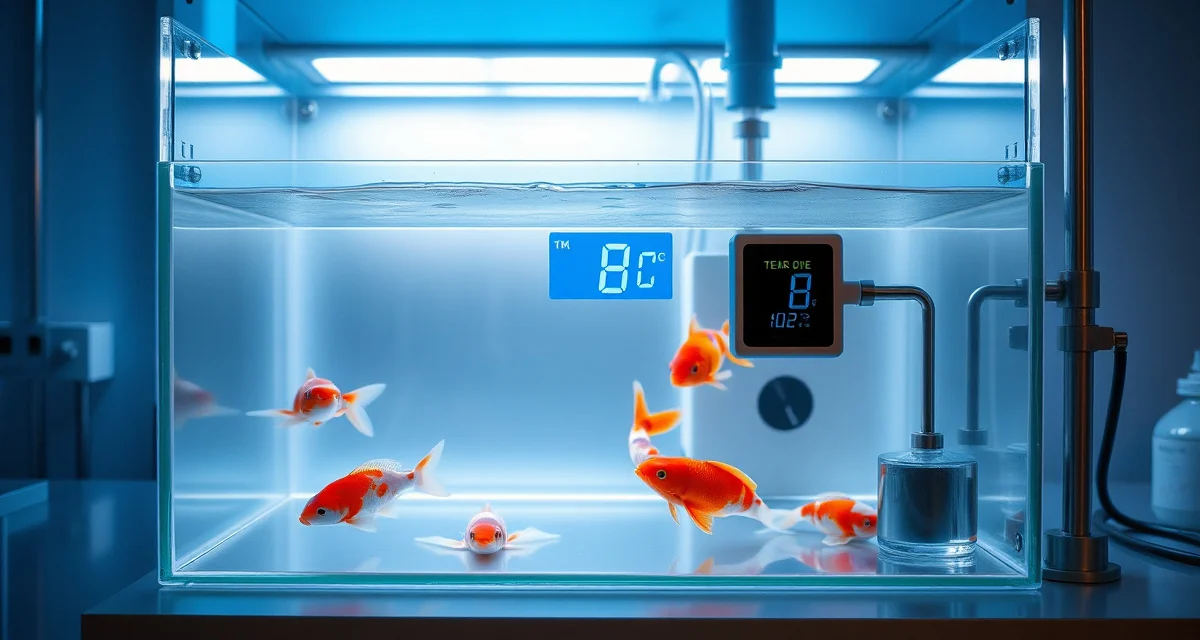
At 8°C, all koi disease processes slow dramatically. Quarantine periods must be extended in winter to account for slower disease progression, longer incubation times, and reduced treatment efficacy. Running standard summer quarantine protocols in winter gives you inadequate protection from diseases that progress too slowly to show symptoms in a normal 4-week window.
KoiQuanta's winter mode adjusts treatment timing and observation intervals for cold water. No competitor adjusts quarantine protocols for cold-water conditions.
TL;DR
- Running standard summer quarantine protocols in winter gives you inadequate protection from diseases that progress too slowly to show symptoms in a normal 4-week window.
- An Aeromonas bacterial infection that becomes clinical within days in summer may take 2-3 weeks to show external signs in cold water.
- Some medications, including most benzimidazole antiparasitic drugs, have poor efficacy below 10°C.
- Disease processes are so slow that a 4-week observation window will miss conditions that haven't reached clinical threshold.
- Observing every 2-3 days is adequate in winter quarantine with heating.
- In heated winter quarantine at 15-18°C, standard praziquantel dosing applies.
- Do not treat with praziquantel in water below 10°C.
How Cold Water Changes Everything
Cold water changes koi biology in ways that fundamentally alter quarantine management:
Koi immune function slows. Below 10°C, immune response is significantly suppressed. This means quarantined fish are less able to fight pathogens, but also means diseases that might become symptomatic in days during summer take weeks to manifest in winter.
Parasite reproduction slows. Most external parasites reproduce much more slowly in cold water. This is partly reassuring (infestations grow slowly) and partly deceptive (light infestations may not show behavioral signs until spring when reproduction accelerates).
Bacterial activity slows. Bacterial disease processes are slower at lower temperatures. An Aeromonas bacterial infection that becomes clinical within days in summer may take 2-3 weeks to show external signs in cold water.
Medications are less effective. Many koi treatments depend on chemical processes that are temperature-sensitive. Some medications, including most benzimidazole antiparasitic drugs, have poor efficacy below 10°C. Antibiotics work but require higher concentrations or longer treatment periods in cold water for the same effect.
Fish metabolism slows. Koi should not be fed below 8°C. At reduced feeding levels, fish produce less waste, which means ammonia production in the quarantine tank is lower. However, biological filtration is also slowed, so the ratio of ammonia production to processing may still be unfavorable in very cold conditions.
The Temperature Decision: Heat or Not?
The most important winter quarantine decision is whether to heat your quarantine tank.
Case for heating (recommended for most situations):
- Treatments are far more effective at 15-20°C than at 8-10°C
- Fish immune function operates better at slightly elevated temperatures
- You can run a complete, effective quarantine in 4-6 weeks rather than 8-12 weeks
- Fish fed at warmer temperatures maintain condition better through quarantine
Case against heating:
- Very high-value fish that are cold-acclimated may be stressed by rapid temperature increase
- Energy cost in large quarantine systems
- Some viral conditions (KHV temperature sensitivity: 18-28°C active range) may be temporarily masked by keeping fish outside the active temperature window
For most hobbyists quarantining new purchases in winter, heating the quarantine tank to 15-18°C is the right decision. The koi quarantine heating guide covers the specific heater sizing and temperature acclimation protocol for this.
Winter Quarantine Protocol Adjustments
Quarantine Duration
Standard summer quarantine: 4-6 weeks
Winter quarantine without heating: 8-12 weeks minimum. Disease processes are so slow that a 4-week observation window will miss conditions that haven't reached clinical threshold.
Winter quarantine with heating to 15-18°C: 5-7 weeks. Slightly longer than summer because some conditions still progress more slowly even at the elevated quarantine temperature compared to the fish's natural summer peak temperature.
Log the quarantine start date and expected completion date in KoiQuanta. The system adjusts the expected completion date based on your entered quarantine tank temperature, showing you a cold-adjusted timeline rather than applying a fixed date.
Observation Schedule
Cold-water observation can be less frequent than summer quarantine because disease progression is slower. Observing every 2-3 days is adequate in winter quarantine with heating. Without heating at very cold temperatures, fish will be minimally active and behavioral indicators of disease are harder to read.
The koi quarantine winter protocol uses KoiQuanta's temperature-adjusted reminder system, which extends observation reminder intervals in cold water conditions.
Treatment Protocols
Antiparasitic: Praziquantel remains the standard for fluke treatment but requires temperatures above 10°C for adequate efficacy. In heated winter quarantine at 15-18°C, standard praziquantel dosing applies. Do not treat with praziquantel in water below 10°C.
Salt: Salt at 0.3% works at any temperature and is appropriate for protozoan parasite management in winter quarantine.
Formalin: Use with extra caution in cold water. Cold-water fish have reduced tolerance for formalin's oxygen-depleting effects.
Antibiotics: Work at cold temperatures but more slowly. Extended treatment courses (7-10 days instead of 5) are appropriate for cold-water bacterial disease.
Water Quality in Winter Quarantine
Ammonia management in winter quarantine requires particular attention. Biological filtration is slow at cold temperatures, and an established quarantine tank filter can de-nitrify over winter if not maintained.
If your quarantine tank has been empty over the winter, the filter may need to be re-cycled before it's safe for fish. Check ammonia daily for the first two weeks of winter quarantine use after the system has been cold and empty.
Acclimating Cold Fish to Heated Quarantine
Bringing fish from a cold outdoor pond (8-10°C) directly into a heated quarantine tank (18-20°C) will cause thermal shock. The temperature differential must be crossed slowly.
The safe rate of temperature change for koi is no more than 2-3°C per hour. For a fish moving from 10°C to 18°C, this takes at least 3-4 hours of gradual acclimation.
Float the transport bag in the quarantine tank to allow temperature equalization. Add quarantine tank water to the bag in small amounts every 15-20 minutes over a 30-45 minute period before releasing the fish.
KoiQuanta's fish transfer record captures the temperature at source and destination and prompts the acclimation step when a temperature differential above 5°C is detected.
Frequently Asked Questions
How long should quarantine last in winter?
Winter quarantine duration depends on quarantine tank temperature. If you're heating your quarantine tank to 15-18°C, a 5-7 week quarantine is appropriate. Without heating, at outdoor water temperatures of 8-12°C, extend quarantine to 8-12 weeks minimum because disease processes manifest so slowly in cold water that a standard 4-6 week window misses conditions that won't show symptoms until temperatures rise. If you're uncertain, always extend rather than rush. A fish that spends an extra 2 weeks in quarantine is less costly than a disease introduction to your display pond.
Do koi treatments work in cold water?
Some do, some don't. Salt is effective at any temperature for protozoan parasite management. Antibiotics work in cold water but more slowly and may need longer treatment courses. Praziquantel (for flukes) requires temperatures above 10°C for adequate efficacy. Formalin works in cold water but is more stressful to cold fish and requires careful monitoring. Potassium permanganate is less effective below 12°C. If your quarantine tank is unheated in winter, your treatment options are limited, which is another strong argument for heating the quarantine tank.
Should I heat the quarantine tank in winter?
Yes, in almost all cases. Heating to 15-18°C allows standard treatment protocols to work effectively, supports koi immune function, and allows a complete quarantine in a normal timeframe rather than 8-12 weeks. The cost of heating a small quarantine tank is modest. The risk of inadequate quarantine due to cold-water treatment limitations is significant. Exceptions: if you're quarantining fish specifically to hold them at cold temperatures for a winter show transport, or if you have a specific reason to avoid the KHV active temperature window.
What is Winter Koi Quarantine: Cold Water Protocol Adjustments?
[FAQ_ANSWER_PLACEHOLDER: This answer needs to be generated by AI with specific data, examples, and actionable advice relevant to Winter Koi Quarantine: Cold Water Protocol Adjustments. Target 50-150 words.]
How much does Winter Koi Quarantine: Cold Water Protocol Adjustments cost?
[FAQ_ANSWER_PLACEHOLDER: This answer needs to be generated by AI with specific data, examples, and actionable advice relevant to Winter Koi Quarantine: Cold Water Protocol Adjustments. Target 50-150 words.]
How does Winter Koi Quarantine: Cold Water Protocol Adjustments work?
[FAQ_ANSWER_PLACEHOLDER: This answer needs to be generated by AI with specific data, examples, and actionable advice relevant to Winter Koi Quarantine: Cold Water Protocol Adjustments. Target 50-150 words.]
What are the benefits of Winter Koi Quarantine: Cold Water Protocol Adjustments?
[FAQ_ANSWER_PLACEHOLDER: This answer needs to be generated by AI with specific data, examples, and actionable advice relevant to Winter Koi Quarantine: Cold Water Protocol Adjustments. Target 50-150 words.]
Who needs Winter Koi Quarantine: Cold Water Protocol Adjustments?
[FAQ_ANSWER_PLACEHOLDER: This answer needs to be generated by AI with specific data, examples, and actionable advice relevant to Winter Koi Quarantine: Cold Water Protocol Adjustments. Target 50-150 words.]
How long does Winter Koi Quarantine: Cold Water Protocol Adjustments take?
[FAQ_ANSWER_PLACEHOLDER: This answer needs to be generated by AI with specific data, examples, and actionable advice relevant to Winter Koi Quarantine: Cold Water Protocol Adjustments. Target 50-150 words.]
What should I look for when choosing Winter Koi Quarantine: Cold Water Protocol Adjustments?
[FAQ_ANSWER_PLACEHOLDER: This answer needs to be generated by AI with specific data, examples, and actionable advice relevant to Winter Koi Quarantine: Cold Water Protocol Adjustments. Target 50-150 words.]
Is Winter Koi Quarantine: Cold Water Protocol Adjustments worth it?
[FAQ_ANSWER_PLACEHOLDER: This answer needs to be generated by AI with specific data, examples, and actionable advice relevant to Winter Koi Quarantine: Cold Water Protocol Adjustments. Target 50-150 words.]
Related Articles
Sources
- Associated Koi Clubs of America (AKCA)
- Koi Organisation International (KOI)
- University of Florida IFAS Extension Aquaculture Program
- Fish Vet Group
- Water Quality Association