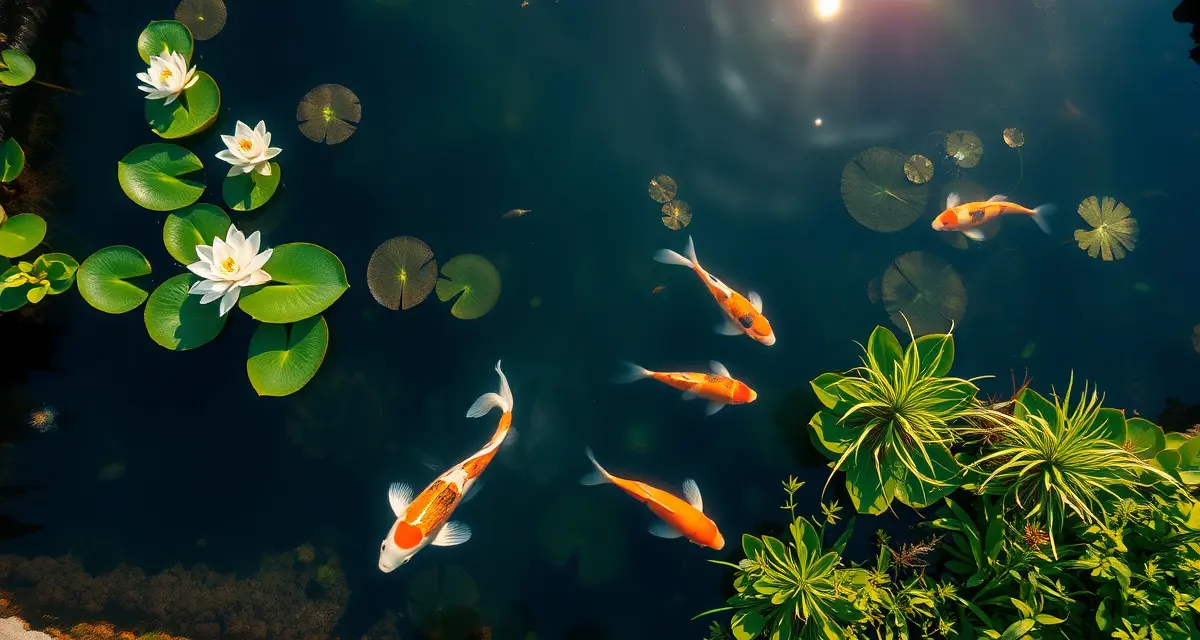
Aquatic Plants in Koi Ponds: What Helps and What to Avoid
Water hyacinth can remove up to 60% of pond nitrates when stocked at appropriate density, reducing water change frequency and measurably improving baseline koi pond water quality tracker. That's a real, documented benefit - but it comes with real tradeoffs too. Understanding exactly what each plant type does to your pond chemistry lets you make plant choices that improve fish health rather than creating new problems.
KoiQuanta's plant addition event tagging correlates new plant introductions with parameter changes, so you can measure the actual effect of any plant addition on your specific pond. This turns plant management from guesswork into evidence-based decision-making.
TL;DR
- They need regular thinning - if they cover more than 30-40% of the pond surface, they reduce surface gas exchange and can cause dissolved oxygen problems overnight.
- If lily coverage exceeds 40-50% of surface area, overnight DO levels can drop to dangerous levels in warm weather.
- KoiQuanta connects observations, water data, and treatment records in one searchable history.
- Early detection based on parameter trends reduces treatment costs and fish stress.
- Seasonal changes require adjusted monitoring schedules; automated reminders help maintain consistency.
Floating Plants: The Nitrogen Removers
Floating plants with large root systems - water hyacinth (Eichhornia crassipes) and water lettuce (Pistia stratiotes) - are the most beneficial plants you can add to a koi pond from a water quality perspective. Their root systems hang directly in the water column and absorb nitrate, phosphate, and other nitrogenous compounds directly from the water.
The practical benefit: these plants compete with algae for nutrients. A well-planted section of water hyacinth can dramatically reduce green water algae by starving it of the nutrients it needs to bloom. They also shade part of the pond surface, reducing solar heating and providing some thermal benefit in summer.
Management requirements: Floating plants grow rapidly in warm, nutrient-rich water. They need regular thinning - if they cover more than 30-40% of the pond surface, they reduce surface gas exchange and can cause dissolved oxygen problems overnight. Remove excess plant material by the handful every week or two during the growing season. In temperate climates, they die back in autumn and need to be removed before they decompose in the pond.
Stocking density: A general starting point is floating plants covering 20-30% of pond surface area. Too little and you don't get the water quality benefit. Too much and you create DO problems.
Submerged Plants: Oxygen Producers With Caveats
Submerged oxygenating plants - hornwort, elodea, anacharis - produce dissolved oxygen through photosynthesis during daylight hours. This is genuinely useful in a well-stocked pond.
The catch is the overnight dynamic. These same plants consume oxygen during darkness through respiration. In a heavily planted pond with low water movement, dissolved oxygen can drop significantly between late night and dawn. Koi are most vulnerable to oxygen stress in the early morning hours before sunrise.
If you use submerged plants, keep coverage moderate, maintain strong aeration overnight, and monitor dissolved oxygen in the early morning during summer. KoiQuanta can alert you when DO readings drop into the range where koi stress becomes likely.
Dead plant management: When submerged plants die back seasonally, they release stored nutrients back into the water as they decompose. Remove dying or dead plant material before decomposition begins - decaying submerged plants in a pond bottom can drive ammonia spikes and oxygen consumption.
Marginal Plants: Aesthetic With Limited Direct Benefit
Marginal plants - iris, cattails, reeds, pickerel weed - grow at the pond edge in shallow marginal shelves. Their direct impact on water chemistry is limited compared to floating plants. They contribute some aesthetic value, provide some shade at the pond edge, and attract beneficial insects.
The consideration with marginals is decomposition management. Cattails and reeds produce substantial biomass that needs to be cut back in autumn before it falls into the water. Iris leaves that die back should be removed rather than left to sink. Any significant volume of decomposing plant material in or near the pond increases organic load, consumes oxygen, and drives ammonia.
Plants That Are Toxic or Problematic for Koi Ponds
Some plants that appear in garden centers or online lists of "pond plants" are toxic to koi or create water quality problems. Avoid these entirely:
Yew (Taxus species): Highly toxic. Even leaves falling from an overhanging yew can sicken koi. See the landscaping guide for full tree toxicity details.
Lily pads at high coverage: Water lilies themselves aren't toxic, but heavy lily pad coverage can significantly reduce surface gas exchange. If lily coverage exceeds 40-50% of surface area, overnight DO levels can drop to dangerous levels in warm weather.
Any plant treated with pesticides: Garden center aquatic plants are sometimes treated with systemic insecticides. Always rinse purchased plants thoroughly and consider a brief plant-only quarantine tank before adding to your koi pond. This is where KoiQuanta's nitrite and nitrate monitoring provides context - if a new plant addition coincides with a parameter change, you have the record to identify the cause.
Frequently Asked Questions
Which aquatic plants are best for koi pond health?
Water hyacinth and water lettuce are the best plants for direct water quality improvement - their root systems absorb nitrate and other nutrients directly from the water, reducing the nutrient load that drives algae growth. They also shade the pond surface. For oxygenation, hornwort and elodea add dissolved oxygen during daylight. Marginal plants like iris and pickerel weed add aesthetic value with minimal direct chemistry impact. Avoid plants with high organic matter output like heavy cattail stands unless you're committed to seasonal removal of all above-water growth before it decomposes.
Can aquatic plants replace water changes in a koi pond?
No. Plants reduce the rate at which nitrate accumulates, which can extend the interval between water changes, but they don't eliminate the need for water changes. A heavily planted pond with good plant management might need water changes half as frequently as an unplanted pond - but it still needs them. Plants also don't remove heavy metals, old medications, or other dissolved compounds that accumulate over time. Regular water changes remain essential regardless of plant coverage. Think of plants as supplemental water quality support, not a replacement for your primary management tools.
Are there plants that are toxic to koi?
Yes. The most dangerous plants near or in koi ponds are yew (all parts contain taxine alkaloids - highly toxic), laburnum (cytisine in seeds and leaves), rhododendron (grayanotoxins), and any plant treated with systemic insecticides. Water plants themselves are rarely toxic to koi when grown without chemical treatment, but terrestrial plants falling into ponds or garden chemicals washing in from nearby planting can cause acute toxicity. Research any plant species you plan to introduce near the pond margin, and always rinse purchased aquatic plants before adding them to your pond water.
What is Aquatic Plants in Koi Ponds: What Helps and What to Avoid?
Aquatic Plants in Koi Ponds: What Helps and What to Avoid is a practical guide covering how different plant species affect koi pond chemistry, fish health, and water quality. It explains which plants provide measurable benefits — like water hyacinth removing up to 60% of nitrates — and which create risks such as oxygen depletion. The guide also introduces how tools like KoiQuanta can track the real-world impact of plant additions on your specific pond parameters.
How much does Aquatic Plants in Koi Ponds: What Helps and What to Avoid cost?
This is a free educational article published on KoiQuanta. There is no cost to read it. KoiQuanta does offer pond management tools that complement the guidance in the article, allowing you to log plant introductions and correlate them with water parameter changes over time. Pricing for KoiQuanta's tracking features may vary by plan, but the article itself is freely accessible to all koi keepers.
How does Aquatic Plants in Koi Ponds: What Helps and What to Avoid work?
The guide works by explaining the biological mechanisms behind aquatic plant behavior in koi ponds — how plants consume nitrates, compete for oxygen overnight, and affect surface gas exchange. It pairs that knowledge with practical thresholds, such as keeping surface coverage below 30-40%, and points to KoiQuanta's event-tagging system so you can measure actual parameter changes after introducing or removing any plant in your own pond.
What are the benefits of Aquatic Plants in Koi Ponds: What Helps and What to Avoid?
Key benefits include understanding which plants actively improve water quality versus which create hidden risks. Water hyacinth, for example, measurably reduces nitrates and can lower water change frequency. The guide also helps you avoid oxygen crashes caused by excessive lily or plant coverage overnight. Using KoiQuanta alongside the advice turns plant management from guesswork into data-driven decisions, reducing treatment costs and fish stress through early detection.
Who needs Aquatic Plants in Koi Ponds: What Helps and What to Avoid?
Any koi keeper managing a garden pond, backyard water feature, or dedicated koi setup will benefit from this guide. It is especially useful for hobbyists who have added plants without tracking their effect on water chemistry, those experiencing unexplained overnight oxygen dips, or anyone looking to reduce nitrate levels naturally. Experienced keepers wanting to optimize plant density for both aesthetics and fish health will also find it valuable.
How long does Aquatic Plants in Koi Ponds: What Helps and What to Avoid take?
Reading the article takes roughly five to ten minutes. Implementing the advice is an ongoing process — plant coverage should be monitored seasonally, and thinning may be needed every few weeks during peak growing periods. Connecting plant introductions to measurable water parameter changes through a tool like KoiQuanta typically reveals clear trends within two to four weeks of adding or removing a plant species.
What should I look for when choosing Aquatic Plants in Koi Ponds: What Helps and What to Avoid?
Look for guidance that gives specific, measurable thresholds rather than vague recommendations. This article provides concrete figures: keep surface coverage under 30-40% for gas exchange, and under 40-50% to avoid dangerous overnight DO drops. Prioritize sources that acknowledge tradeoffs — beneficial plants still require management. Also look for integration with water quality tracking so you can validate advice against your own pond data rather than relying on generalizations.
Is Aquatic Plants in Koi Ponds: What Helps and What to Avoid worth it?
Yes, for any koi keeper who has added plants without understanding their chemical impact, this guide is worth reading. The nitrate-reduction benefits of plants like water hyacinth are well-documented and can meaningfully reduce maintenance. However, the real value is learning the risks: unchecked plant growth can cause oxygen crashes that harm or kill fish. Combined with KoiQuanta's tracking tools, the approach shifts pond management from reactive to evidence-based.
Related Articles
Sources
- Associated Koi Clubs of America (AKCA)
- Koi Organisation International (KOI)
- University of Florida IFAS Extension Aquaculture Program
- Fish Vet Group
- Water Quality Association