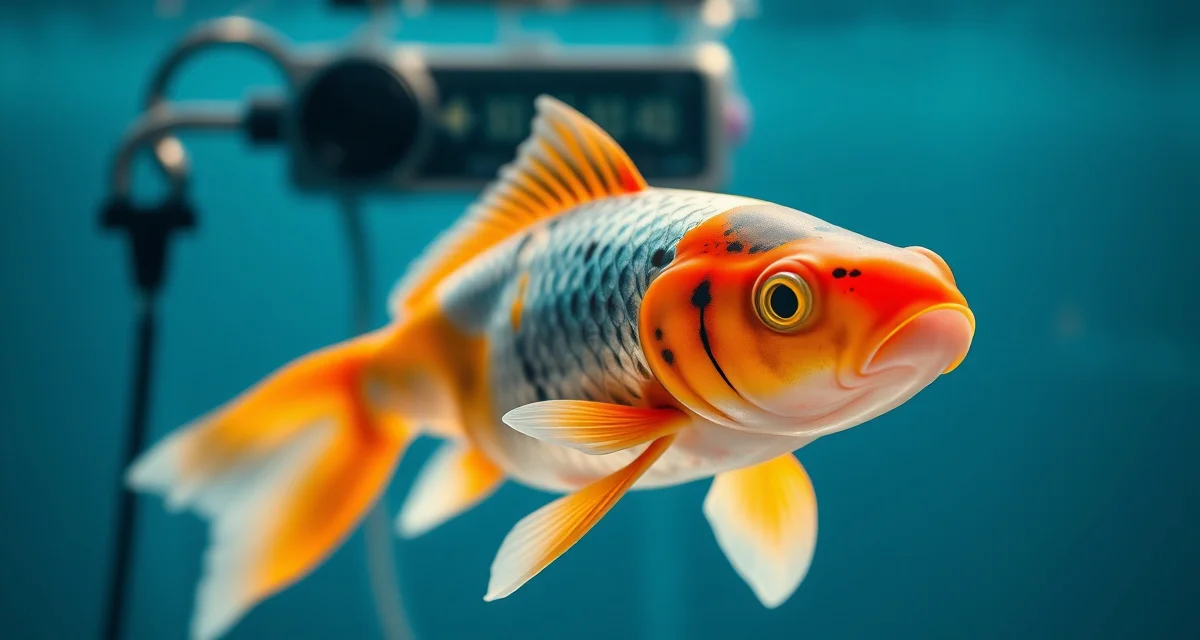
Koi Bacterial Infection Treatment: Complete Guide
Incomplete antibiotic courses are responsible for a high proportion of treatment-resistant bacterial infections. This matters because once a bacterial strain develops resistance to a commonly used antibiotic, that medication is effectively off the table for that fish population going forward. Completing your treatment course isn't just good practice -- it's an investment in your future treatment options.
Bacterial infections are among the most common serious conditions in koi, and they're frequently secondary to something else: a stress event, a koi pond water quality tracker problem, a physical injury, or an underlying parasitic infection. Successfully treating bacterial disease means treating the infection and addressing whatever predisposed the fish to it.
TL;DR
- Ammonia above 0.25 mg/L or nitrite above 0.1 mg/L will undermine even aggressive antibiotic treatment.
- Do a 20-30% water change, increase aeration, and retest.
- A typical antibiotic course for koi bacterial disease is 7-14 days of daily treatment.
- The temptation is to stop treatment when the fish looks better -- usually around day 4-6.
- Healing tissue (pink, not necrotic) should appear by day 7-10.
- Full closure of small to medium ulcers in 3-6 weeks.
- Expect visible improvement by day 3-4 if treatment is working.
Recognizing Bacterial Disease in Koi
Bacterial infections in koi present in several distinct ways depending on the causative organism and severity:
Ulcers and skin erosion: Red, open sores on the body surface, often with white or yellow necrotic tissue at the center. Aeromonas hydrophila is the most common culprit. Ulcers can be single or multiple and grow rapidly if untreated.
Hemorrhagic septicemia: Red streaking in the fins and skin, sometimes with blood pooling under scales. Represents systemic bacterial infection -- blood vessels are affected. A serious presentation that indicates widespread infection.
Fin rot: Fraying, discoloration, and erosion of fin edges. Usually starts at fin tips and progresses toward the body if untreated. Often secondary to injury or poor water quality.
Dropsy (edema): Swollen body cavity with raised scales giving a "pinecone" appearance. Represents internal bacterial infection and organ involvement. Prognosis is poor even with aggressive treatment.
Gill disease: Excessive mucus, rapid gill movement, discolored or eroded gill tissue. Bacterial gill disease can coexist with parasitic gill infection.
Columnaris (saddleback disease): White or gray lesion across the dorsal surface resembling a saddle. Often confused with fungal infection but is bacterial (Flavobacterium columnare). Spreads rapidly in warm water.
When Bacterial Infection Is Suspected: First Steps
Before reaching for antibiotics, address water quality. Koi kept in clean, well-oxygenated water with stable parameters have far better treatment outcomes than fish in compromised conditions. Ammonia above 0.25 mg/L or nitrite above 0.1 mg/L will undermine even aggressive antibiotic treatment.
Do a 20-30% water change, increase aeration, and retest. If you have an active carbon filter, remove the carbon -- it will absorb medications.
Then isolate if possible. Moving an infected fish to a clean, hospital tank allows you to treat at the appropriate dose without medicating your entire pond, reduces the pathogen load in the display pond, and makes monitoring easier.
Antibiotic Selection
The most effective bacterial treatment for koi is a culture and sensitivity test -- a sample from an ulcer or affected gill tissue is sent to a lab, which identifies the bacteria and tests which antibiotics it responds to. This is the gold standard and removes guesswork entirely.
In practice, many hobbyists and even some vets treat empirically (based on experience and clinical presentation) while awaiting culture results or when access to a vet is limited. The most commonly used antibiotics in koi:
Oxytetracycline: Broad-spectrum, effective against Aeromonas and many gram-negative bacteria. Available as medicated food or water treatment. Note that calcium in hard water reduces its bioavailability considerably -- see the dedicated koi aeromonas treatment guide for details on adjusting for water hardness.
Enrofloxacin: Fluoroquinolone antibiotic with excellent gram-negative coverage. Often the most effective choice for serious Aeromonas ulcer disease. Typically administered by injection or medicated food. Requires a vet prescription in most jurisdictions.
Amoxicillin: Useful for some bacterial presentations, particularly where gram-positive organisms are involved. Less effective against the gram-negative bacteria most common in koi.
Chloramphenicol: Effective against a wide range of organisms including some that are resistant to other antibiotics. Restricted for use in food fish in many countries; used for ornamental fish where legal.
Trimethoprim-sulfamethoxazole (TMP-SMX): Combination antibiotic with good activity against gram-negative bacteria. Available as medicated food in some markets.
Methods of Administration
Medicated food: The most commonly used approach for ambulatory fish that are still eating. Food is soaked in the antibiotic solution or purchased pre-medicated. Antibiotic reaches the fish's system through normal digestion. Effective for most systemic infections. Not appropriate for fish that have stopped eating.
Injection: The fastest and most reliable delivery method. Subcutaneous or intramuscular injection delivers the exact dose directly into the fish. Most appropriate for valuable fish, fish that aren't eating, or severe infections where oral delivery may not achieve adequate blood levels quickly enough. Usually performed by or under guidance of a vet.
Bath treatment: Some antibiotics can be used as bath treatments (dipping fish in a concentrated solution for a short time) or as pond treatments. Effectiveness varies by drug -- oxytetracycline in particular is not well-absorbed through water and pond treatment is less reliable than oral or injection routes for systemic infections.
Topical treatment: For ulcers specifically, topical application of antibacterial agents (iodine-based wound treatments, antibiotic creams under veterinary guidance) to the wound surface while the fish receives systemic antibiotic treatment. This is a complement to systemic treatment, not a replacement.
Ulcer Treatment Protocol
Koi ulcers deserve specific attention because they're common, visually alarming, and require a multi-part approach to treat successfully.
- Sedation (optional but recommended for hands-on treatment): Clove oil or MS-222 at sedation dose allows safe handling and thorough wound examination. Remove fish from the sedation bath as soon as they stop actively swimming and work quickly.
- Wound debridement: Remove necrotic tissue from the ulcer with clean swabs or sterile gauze. Dead tissue harbors bacteria and prevents healing.
- Topical antiseptic: Apply iodine solution or antibiotic ointment to the cleaned wound. For deep ulcers, a waterproof wound sealant (specific veterinary products are available) can help protect the area.
- Return fish to treatment tank: Place in hospital tank with clean, well-aerated water and begin systemic antibiotic course.
- Daily monitoring: Check the wound each day. Healthy healing shows clean pink granulation tissue forming at the wound edge. Spreading redness or enlarging necrotic area indicates the antibiotic isn't working and treatment needs adjustment.
The Antibiotic Course: Why Length Matters
This is where KoiQuanta's antibiotic protocol tracking becomes practically important. A typical antibiotic course for koi bacterial disease is 7-14 days of daily treatment. The specific duration depends on the antibiotic, the severity of infection, and clinical response.
The temptation is to stop treatment when the fish looks better -- usually around day 4-6. But at that point, you've reduced the bacterial population substantially without fully eliminating it. The survivors are by definition the harder-to-kill bacteria. Stop now and they repopulate. Finish the course and you clear the infection completely.
KoiQuanta's antibiotic protocol tracks dose, days administered, and flags incomplete courses. You log each dose, and the system tracks your progress against the full scheduled course with reminders that prompt you to maintain the schedule even when the fish appears visually improved.
Monitoring Treatment Response
Improvement markers to track:
- Ulcers: Wound edges should stop spreading by day 3-4. Healing tissue (pink, not necrotic) should appear by day 7-10. Full closure of small to medium ulcers in 3-6 weeks.
- Hemorrhagic septicemia: Redness should fade noticeably within 5-7 days. If it spreads, the antibiotic isn't working.
- Columnaris: Rapid progression is common. Expect visible improvement by day 3-4 if treatment is working.
- Fin rot: Fin edge should stop retreating within 5-7 days. New fin tissue regenerates slowly after that.
If there's no improvement by day 5-7, the antibiotic may not be covering your specific bacteria. Switch to a different drug or pursue culture and sensitivity testing if you haven't already.
Secondary Parasite Infections
Bacterial ulcers attract secondary infections. Open wounds are entry points for parasites, and fish with bacterial disease often have concurrent parasitic infections that further compromise their immune response. Run a skin scrape if fish are flashing or showing excess mucus during bacterial treatment -- treating the bacterial infection while a heavy parasite load persists will produce poor results.
Post-Treatment Care
Once the antibiotic course is complete:
- Continue daily water quality testing for at least 1-2 weeks. The stress of illness and treatment leaves fish vulnerable to opportunistic infections.
- Maintain the fish in hospital conditions until wounds are visibly healed (not just closed -- healed) if treating ulcers.
- Don't rush return to the main pond. A fish that goes back to the display pond before it's fully recovered is at risk of relapse and can carry infection to pond mates.
- Reintroduce slowly with appropriate water matching.
Frequently Asked Questions
What antibiotic treats bacterial infections in koi?
The most effective antibiotic depends on the specific bacteria. Oxytetracycline covers many common gram-negative koi pathogens including Aeromonas and is widely available in medicated koi food. Enrofloxacin is often more effective for serious infections but typically requires a vet prescription. For the most reliable treatment, culture and sensitivity testing from the infected tissue identifies the exact bacteria and confirms which antibiotic it responds to. Empirical treatment (best guess based on clinical signs) is common but has higher failure rates.
How long is an antibiotic course for koi?
Typically 7-14 days of daily treatment, depending on the antibiotic and severity of infection. Some protocols for serious deep infections run up to 21 days. The most common mistake is stopping at day 5-6 when the fish looks better -- the infection isn't fully cleared at that point, and surviving bacteria recolonize quickly. KoiQuanta's antibiotic protocol tracking sends daily reminders and flags courses that are stopped early, helping you stay on schedule through the full prescribed duration.
How do I administer antibiotics to koi?
The most practical approach for most hobbyists is antibiotic-medicated food -- pellets soaked in or pre-coated with antibiotic solution. The fish gets the dose through normal feeding, and you don't need specialized equipment. This only works for fish that are still eating. For fish that have stopped eating, injection (usually intramuscular or subcutaneous) delivers the dose reliably but requires vet guidance and appropriate technique. Bath treatments are used for some antibiotics but are generally less effective than oral or injection routes for systemic bacterial infections.
What is Koi Bacterial Infection Treatment: Complete Guide?
This guide covers the full process of identifying, treating, and preventing bacterial infections in koi. It explains how to recognize common bacterial diseases like ulcers and fin rot, choose appropriate antibiotics, structure a complete treatment course, and address the underlying causes—such as poor water quality, stress, or parasites—that make fish susceptible in the first place.
How much does Koi Bacterial Infection Treatment: Complete Guide cost?
The guide itself is free. Treatment costs vary depending on the antibiotic used and the size of your pond. Basic treatments like salt and over-the-counter medications can cost $10–$50. Prescription antibiotics or veterinary consultation may add $50–$200+. Investing in water quality testing equipment upfront often reduces long-term treatment costs by preventing infections.
How does Koi Bacterial Infection Treatment: Complete Guide work?
Bacterial infections are treated by combining targeted antibiotic therapy with water quality correction and stress reduction. You run a full 7–14 day antibiotic course—even after the fish appears recovered—to eliminate the bacteria completely. Simultaneously, ammonia must be below 0.25 mg/L and nitrite below 0.1 mg/L, as poor water quality directly undermines antibiotic effectiveness.
What are the benefits of Koi Bacterial Infection Treatment: Complete Guide?
Following this guide helps you eliminate infections fully rather than partially, which is critical for preventing antibiotic-resistant strains from developing in your pond. You also learn to identify and fix root causes—water quality issues, injuries, parasites—so bacterial infections are less likely to recur. Fish recover faster and your future treatment options remain intact.
Who needs Koi Bacterial Infection Treatment: Complete Guide?
Any koi keeper dealing with ulcers, fin rot, hemorrhaging, or unexplained lethargy needs this guide. It's especially relevant if a fish has recently experienced a stress event, injury, or parasite problem, since bacterial infections are frequently secondary conditions. Pond owners who've had incomplete treatment results or recurring infections will also benefit significantly.
How long does Koi Bacterial Infection Treatment: Complete Guide take?
A standard antibiotic course runs 7–14 days of daily treatment. Visible improvement—pink healing tissue replacing necrotic tissue—should appear by days 7–10. Small to medium ulcers typically close fully in 3–6 weeks. The most common mistake is stopping treatment at days 4–6 when the fish looks better; completing the full course is essential to prevent resistance.
What should I look for when choosing Koi Bacterial Infection Treatment: Complete Guide?
Look for clear dosing instructions scaled to pond volume, guidance on combining treatments safely, and advice on water quality thresholds during treatment. A good guide explains what to do when treatment isn't working, how to identify secondary infections, and how to address root causes. Avoid guides that skip the importance of completing the full antibiotic course.
Is Koi Bacterial Infection Treatment: Complete Guide worth it?
Yes—if you keep koi, bacterial infections are almost inevitable at some point. Understanding how to treat them correctly the first time protects your fish and preserves your future antibiotic options. Incomplete or incorrect treatment creates resistant strains that are far harder to manage. The time invested in following this guide properly pays off in healthier fish and fewer recurring crises.
Related Articles
- Pseudomonas Infection in Koi: Symptoms and Treatment Protocol
- Oxytetracycline for Koi Bacterial Infections: Dosing Guide
Sources
- Associated Koi Clubs of America (AKCA)
- Koi Organisation International (KOI)
- University of Florida IFAS Extension Aquaculture Program
- Fish Vet Group
- Water Quality Association