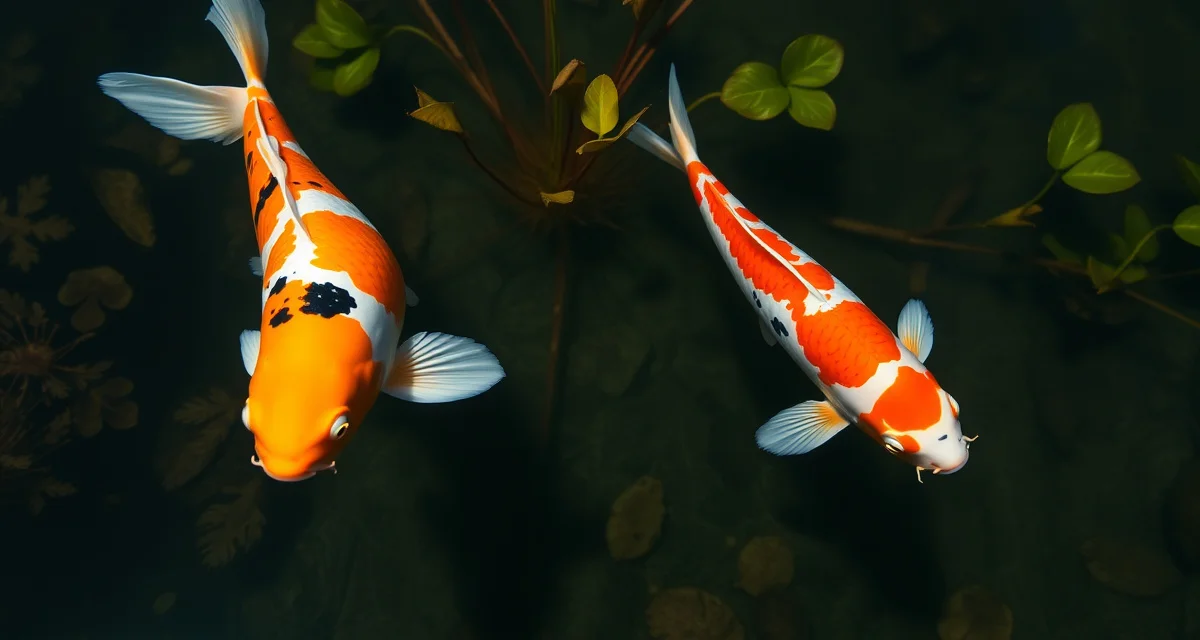
Koi Spawning Behavior: What to Watch For and How to Protect Your Fish
Female koi can suffer life-threatening injury and bacterial infection from aggressive male chasing behavior during spawning. Spawning is one of the most physiologically and physically demanding events in a koi's life, and it carries real risks that unprepared pond owners don't anticipate. Males in spawning condition chase females relentlessly, sometimes for 12 to 24 hours, and the physical impact of repeated male contact against the female's body can cause injuries that become fatal bacterial infection entry points.
KoiQuanta's post-spawning health observation checklist guides hobbyists through assessing and logging fish condition after spawning activity, turning a high-risk period into a managed monitoring event.
TL;DR
- Inspect every fish, particularly females, for physical injuries 2.
- Log any abrasions, scale damage, or fin tears in KoiQuanta with photos 3.
- Test water quality: ammonia may be elevated from spawn organic load 4.
- Apply topical antiseptic to any open abrasions 5.
- Consider removing eggs from the pond surface within 24 hours if you're not raising fry.
Recognizing Spawning Behavior
Koi typically spawn in spring and early summer when water temperature rises through 18 to 22 degrees Celsius. Spawning behavior is unmistakable:
Multiple males chasing a single female with persistent, aggressive pursuit. Males will bump and push against the female's abdomen to stimulate egg release.
Frantic, splashing activity near the surface or pond edge. Spawning groups create obvious water disturbance. You'll hear the splashing before you see the fish.
Early morning activity. Koi most commonly spawn in the early morning hours, often beginning just before sunrise and continuing through the morning.
Eggs on pond surfaces. Koi eggs are small (1 to 2mm), slightly sticky, and adhere to plants, pond walls, and any available surface. Finding eggs in the pond confirms spawning occurred.
Females looking exhausted or injured. After spawning, females may have visible abrasions, torn fin margins, or areas where scales have been dislodged from the intense male contact.
Risks During Spawning
Female injury. The most immediate risk. Males chasing females bump repeatedly against the female's body and fins. In smaller ponds with limited escape room, females can't put distance between themselves and the pursuing males. This sustained physical contact causes scale damage, fin tears, and skin abrasions that are bacterial infection entry points.
Oxygen depletion from spawning organics. Koi eggs, milt, and the biological material from spawning temporarily elevate ammonia and biological oxygen demand. In heavily stocked ponds, a large spawn event can temporarily stress water quality.
Post-spawning exhaustion and immune vulnerability. Female koi are physically depleted after spawning. Their immune system is temporarily suppressed during the recovery period. This is the window when opportunistic bacterial infections take hold.
Eggs creating ammonia. Unfertilized eggs decompose within 24 to 48 hours, adding ammonia and biological load. Remove eggs from the pond surface after spawning to reduce this burden.
Protecting Females During Spawning
Spawning mops or substrate. Providing dedicated spawning substrate (artificial or natural plant material at the pond edges) gives eggs something to adhere to and gives females some focus to the spawning activity.
Temporary separation. For valuable female koi, temporarily separating her from the males during peak spawning activity and reuniting briefly can reduce the duration of intense male contact. This requires careful management but can prevent serious injury.
Monitor pond size and fish ratio. Ponds with too many males relative to females create the most intense and potentially injurious spawning events. A ratio of one to two males per female is generally manageable. Higher ratios increase female injury risk.
Have antibiotic treatment ready. Spawning injuries often require topical or bath antibiotic treatment. Have appropriate treatment supplies on hand before spawning season so you can act immediately if injuries are found.
Post-Spawning Monitoring in KoiQuanta
KoiQuanta's post-spawning checklist guides you through assessment immediately after spawning activity ends:
- Inspect every fish, particularly females, for physical injuries
- Log any abrasions, scale damage, or fin tears in KoiQuanta with photos
- Test water quality: ammonia may be elevated from spawn organic load
- Apply topical antiseptic to any open abrasions
- Monitor injuryed fish daily for the following week
The ulcer treatment program and the koi disease treatment tracker cover treatment protocols if post-spawning injuries develop into bacterial infections.
Frequently Asked Questions
How do I protect female koi during spawning?
Provide adequate pond space so females can escape male pursuit. Consider temporary female separation for most valuable fish during peak spawning intensity. Provide spawning substrate at pond edges to help organize the activity. Inspect all females immediately after spawning for physical injuries and treat any wounds with topical antiseptic. Monitor fish closely for one to two weeks post-spawning for secondary bacterial infection development.
What water quality changes occur when koi spawn?
Spawning introduces eggs, milt, and biological material to the pond that temporarily elevates ammonia. Decomposing unfertilized eggs are the biggest contributor. Test ammonia daily for the three to four days following a large spawn event. Increase aeration during and after spawning to support biological filtration. Consider removing eggs from the pond surface within 24 hours if you're not raising fry.
Should I treat my pond after koi spawn?
A prophylactic salt treatment at 0.1 to 0.2% after spawning is commonly used to reduce infection risk in any skin abrasions the females sustained. If specific injuries are identified, direct topical antiseptic treatment of the wound is more targeted than whole-pond treatment. Test water quality and correct any ammonia elevation from spawn organics. Log all observations and any treatments in KoiQuanta's post-spawning monitoring protocol.
What is Koi Spawning Behavior: What to Watch For and How to Protect Your Fish?
[FAQ_ANSWER_PLACEHOLDER: This answer needs to be generated by AI with specific data, examples, and actionable advice relevant to Koi Spawning Behavior: What to Watch For and How to Protect Your Fish. Target 50-150 words.]
How much does Koi Spawning Behavior: What to Watch For and How to Protect Your Fish cost?
[FAQ_ANSWER_PLACEHOLDER: This answer needs to be generated by AI with specific data, examples, and actionable advice relevant to Koi Spawning Behavior: What to Watch For and How to Protect Your Fish. Target 50-150 words.]
How does Koi Spawning Behavior: What to Watch For and How to Protect Your Fish work?
[FAQ_ANSWER_PLACEHOLDER: This answer needs to be generated by AI with specific data, examples, and actionable advice relevant to Koi Spawning Behavior: What to Watch For and How to Protect Your Fish. Target 50-150 words.]
What are the benefits of Koi Spawning Behavior: What to Watch For and How to Protect Your Fish?
[FAQ_ANSWER_PLACEHOLDER: This answer needs to be generated by AI with specific data, examples, and actionable advice relevant to Koi Spawning Behavior: What to Watch For and How to Protect Your Fish. Target 50-150 words.]
Who needs Koi Spawning Behavior: What to Watch For and How to Protect Your Fish?
[FAQ_ANSWER_PLACEHOLDER: This answer needs to be generated by AI with specific data, examples, and actionable advice relevant to Koi Spawning Behavior: What to Watch For and How to Protect Your Fish. Target 50-150 words.]
How long does Koi Spawning Behavior: What to Watch For and How to Protect Your Fish take?
[FAQ_ANSWER_PLACEHOLDER: This answer needs to be generated by AI with specific data, examples, and actionable advice relevant to Koi Spawning Behavior: What to Watch For and How to Protect Your Fish. Target 50-150 words.]
What should I look for when choosing Koi Spawning Behavior: What to Watch For and How to Protect Your Fish?
[FAQ_ANSWER_PLACEHOLDER: This answer needs to be generated by AI with specific data, examples, and actionable advice relevant to Koi Spawning Behavior: What to Watch For and How to Protect Your Fish. Target 50-150 words.]
Is Koi Spawning Behavior: What to Watch For and How to Protect Your Fish worth it?
[FAQ_ANSWER_PLACEHOLDER: This answer needs to be generated by AI with specific data, examples, and actionable advice relevant to Koi Spawning Behavior: What to Watch For and How to Protect Your Fish. Target 50-150 words.]
Related Articles
Sources
- Associated Koi Clubs of America (AKCA)
- Koi Organisation International (KOI)
- University of Florida IFAS Extension Aquaculture Program
- Fish Vet Group
- Water Quality Association