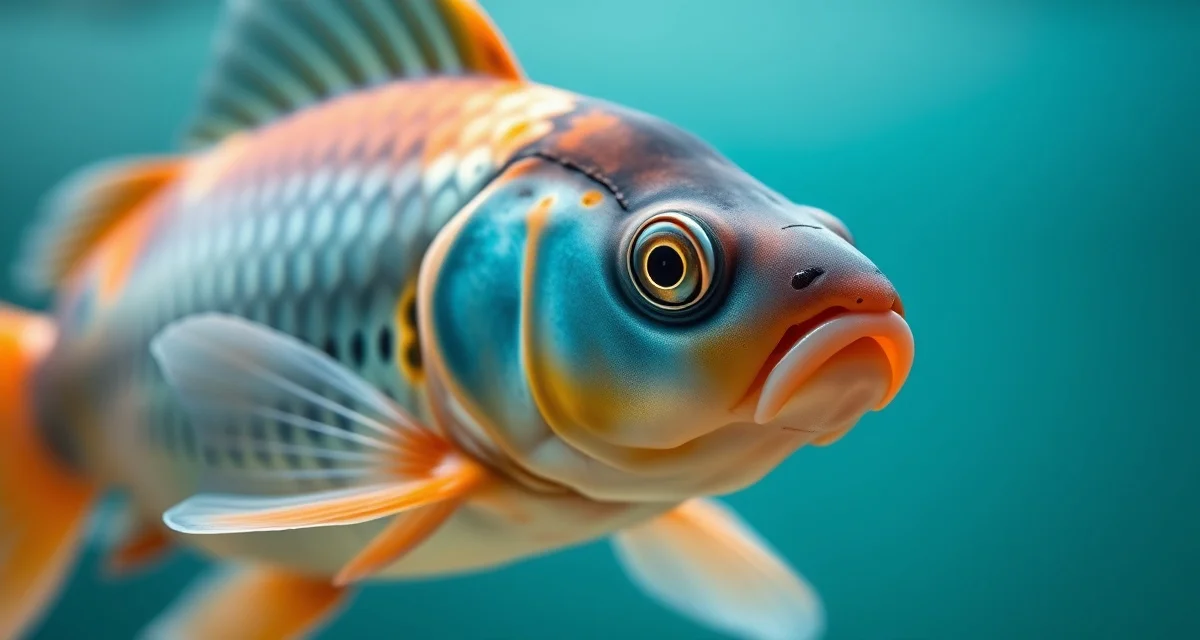
Koi Clamped Fins: What It Means and What to Do
Clamped fins are one of the first visible signs of stress in koi and typically appear 12 to 24 hours before more serious symptoms. When koi clamp their fins against their bodies, holding pectoral fins tight, pressing dorsal fins flat, and folding caudal fins rather than flowing them freely, the fish is experiencing something stressful. But clamped fins are a non-specific response, meaning the cause isn't identified by the symptom alone.
KoiQuanta's symptom-to-parameter correlation analysis shows whether clamped fins appeared after a temperature drop, ammonia spike, or other measurable event, connecting observation to cause without guesswork.
TL;DR
- Clamped fins are one of the earliest visible signs of stress or illness, appearing before most other symptoms.
- Common causes include elevated ammonia or nitrite, low pH, ectoparasites, bacterial infection, and koi new fish stress.
- A fish with clamped fins that is still eating is likely in the early stages of a problem that is easier to resolve.
- Always test water parameters first; many cases resolve with a koi water change guide and no medication.
- Clamped fins combined with koi flashing and rubbing strongly suggest ectoparasite activity requiring identification before treatment.
- Salt at 0.1-0.2% is appropriate first-line supportive treatment while investigating the underlying cause.
Why Koi Clamp Their Fins
Fin clamping is a protective reflex. Fish reduce their surface profile when stressed, and clamped fins reduce the exposed surface area through which chemical irritants or pathogens can penetrate. This is instinctual rather than conscious, but it's a reliable signal that something is wrong in the fish's environment.
Common causes:
Temperature drop. This is one of the most common causes of clamped fins and one of the most easily misdiagnosed. A sudden temperature drop of even 3 to 4 degrees Celsius can cause clamped fins in koi that weren't experiencing any other problem. This is more common in early fall when overnight temperatures drop sharply, or when a cold rain lowers pond surface temperature rapidly. Temperature-correlated clamped fins usually resolve within 12 to 24 hours once temperature stabilizes.
Ammonia or nitrite elevation. Chemical irritants in the water cause fish to clamp. Even modest ammonia elevations that don't show other symptoms often manifest first as clamped fins. Log your ammonia test immediately when you observe clamped fins and compare against recent readings in KoiQuanta.
Parasites. Ectoparasites cause skin irritation that produces clamped fins, particularly Costia and Trichodina in early stages before other symptoms develop. If temperature and water quality check out, parasites are the next likely cause.
Disease onset. Bacterial infection, viral disease, and other health issues cause general malaise that presents as clamped fins before more specific symptoms develop. The 12 to 24 hour lead time mentioned above means that clamped fins can be your earliest warning of an infection that will become more serious.
Low dissolved oxygen. Fish in low-oxygen water clamp fins as a general stress response. Check DO when you see clamped fins, particularly in summer or in ponds with algae.
Stress from handling or transport. Recently handled or transported koi almost always show temporary fin clamping. This resolves within hours to a day or two as the fish recovers.
Diagnosing the Trigger
The most effective diagnostic approach for clamped fins is the parameter correlation review in KoiQuanta:
- Log the clamped fin observation with a timestamp
- Pull your water quality log for the past 24 to 48 hours
- Look for any parameter change that preceded the observation: temperature, ammonia, nitrite, pH, DO
- Note whether multiple fish are affected (water quality cause) or a single fish (individual disease cause)
If a parameter change coincides with fin clamping onset, you have a likely cause. If parameters are stable and multiple fish are clamped, consider a stressful event you may not have logged (predator visit, unusual noise, chemical exposure from nearby lawn treatment).
Responding to Clamped Fins
Test water quality first. Always. Ammonia, nitrite, pH, temperature, and DO. Log the readings in KoiQuanta before taking any other action.
If parameters are off: Correct the water quality issue (partial water change for ammonia/nitrite, aeration for low DO, temperature-matching water for temperature drop). Fish typically unclamp within hours of the water quality correction.
If parameters are fine: Look for parasites and disease signs. Observe each clamped fish closely for:
- Skin cloudiness (Trichodina, Costia, or flukes)
- Visible spots or lesions
- Red areas on skin or fins
- Behavioral abnormalities beyond fin clamping
If no cause is found: Log a daily observation for the next three to five days in KoiQuanta and monitor for developing symptoms. Clamped fins that resolve without other symptoms developing were likely from a brief, unidentified stress event.
The koi disease identification guide provides visual reference for the symptoms that commonly accompany disease-related clamped fins. The koi pond water quality tracker maintains the parameter log that makes correlation analysis possible.
Frequently Asked Questions
What diseases cause clamped fins in koi?
Many diseases cause clamped fins in their early stages: bacterial infections (Aeromonas, Pseudomonas), protozoan parasites (Costia, Trichodina), fluke infestations, and KHV (koi herpesvirus) all present with fin clamping among early symptoms. The fin clamping itself doesn't identify the disease; it signals that more detailed observation is needed. KoiQuanta's symptom checker guides you through identifying which disease is most likely based on the combination of symptoms.
How do I treat clamped fins in koi?
Treat the underlying cause, not the fin clamping itself. Fin clamping is a symptom, not a disease. Test water quality and correct any parameter problems. Observe fish for additional disease signs. If parasites are suspected, treat with appropriate medication logged in KoiQuanta. If bacterial infection is suspected, isolate and treat accordingly. Clamped fins resolve on their own once the underlying cause is addressed.
Can clamped fins be caused by cold water in koi?
Yes. Cold water, particularly sudden temperature drops, is one of the most common causes of temporary clamped fins in koi. A rapid temperature decrease of 3 to 4 degrees Celsius often produces clamped fins that resolve within a day as the fish adjusts. KoiQuanta's temperature log lets you check whether a temperature drop preceded the clamped fin observation, helping you distinguish cold-water stress from pathological causes.
How quickly should clamped fins resolve with treatment?
If the cause is water quality, fins typically relax within 24-48 hours of correction. With ectoparasite treatment, improvement should be visible within 2-3 days, with full resolution over 7-14 days as the treatment cycle completes. Fins that stay clamped after water quality is confirmed good and a full treatment course is completed suggest either an incorrect diagnosis, treatment resistance, or a secondary bacterial infection requiring separate attention.
Can clamped fins be a sign of internal disease?
Yes. Internal bacterial infections, viral diseases, and organ dysfunction can all cause generalized stress behavior including clamped fins. Internal disease is more likely when fins are clamped alongside systemic signs such as loss of appetite, abnormal swimming posture, swelling, or raised scales. When clamped fins persist despite good water quality and no visible external parasites, investigating for internal issues including bacterial septicemia is the appropriate next step.
Should I treat for parasites if I see clamped fins but no other symptoms?
Not without first confirming the cause. Clamped fins alone with normal water quality warrant close visual inspection for external parasites before any medication is added. If you have microscopy capability, a scraping can confirm or rule out ectoparasites quickly. Treating with broad-spectrum antiparasitics when the cause is bacterial or water quality-related wastes medication and stresses fish unnecessarily. Salt at 0.1% as supportive treatment while you investigate is safe and appropriate.
What is Koi Clamped Fins: What It Means and What to Do?
Koi clamped fins occur when a koi holds its fins pressed tightly against its body instead of holding them open and relaxed. The pectoral fins pull in, the dorsal fin flattens, and the tail folds rather than flowing freely. It is one of the earliest visible stress signals in koi, often appearing 12 to 24 hours before more serious symptoms develop. Because it is a non-specific response, clamped fins indicate something is wrong but do not identify the cause on their own.
How much does Koi Clamped Fins: What It Means and What to Do cost?
This is a free educational guide on KoiQuanta covering how to identify and respond to clamped fins in koi. There is no cost to read the article. The diagnostic approach described, including water testing and symptom-to-parameter correlation, relies on standard equipment you likely already own. Any treatment costs depend on what the underlying cause turns out to be, but many cases resolve with a water change alone and require no medication or additional expense.
How does Koi Clamped Fins: What It Means and What to Do work?
When a koi clamps its fins, you start by testing water parameters including ammonia, nitrite, nitrate, and pH to rule out the most common causes. If water quality checks out, you observe for additional symptoms such as flashing, rubbing, or lesions to narrow down whether the cause is parasitic or bacterial. You treat the identified cause rather than medicating blindly. KoiQuanta's symptom-to-parameter correlation helps connect the timing of clamped fins to measurable water events so you can act with confidence.
What are the benefits of Koi Clamped Fins: What It Means and What to Do?
Catching clamped fins early gives you the best chance of resolving the underlying problem before it escalates. Since fins clamp 12 to 24 hours before most other symptoms appear, recognizing this signal lets you test water and intervene at the easiest stage of a problem. A fish still eating with clamped fins is generally easier to treat than one that has stopped eating entirely. Acting early reduces fish loss, limits stress duration, and often avoids the need for stronger medications.
Who needs Koi Clamped Fins: What It Means and What to Do?
Any koi keeper who notices a fish holding its fins differently than normal needs this information. It is especially relevant for pond owners after water temperature changes, new fish introductions, or periods of heavy feeding when ammonia can spike. New koi keepers benefit most because clamped fins are easy to overlook or misinterpret as normal behavior. Experienced keepers dealing with a pond health issue will also find the structured diagnostic approach useful for quickly identifying the root cause.
Sources
- Fish Vet Group
- University of Florida IFAS Extension Aquaculture Program
- Associated Koi Clubs of America (AKCA)
- American Fisheries Society
Get Started with KoiQuanta
Clamped fins are an early warning sign that is easy to act on when you have water quality data and health history at hand. KoiQuanta connects fin and behavior observations to your water parameter log so you can see whether fins clamped when ammonia spiked, after a temperature drop, or without any obvious parameter change. Log an observation today and start building the context that makes diagnosis faster.