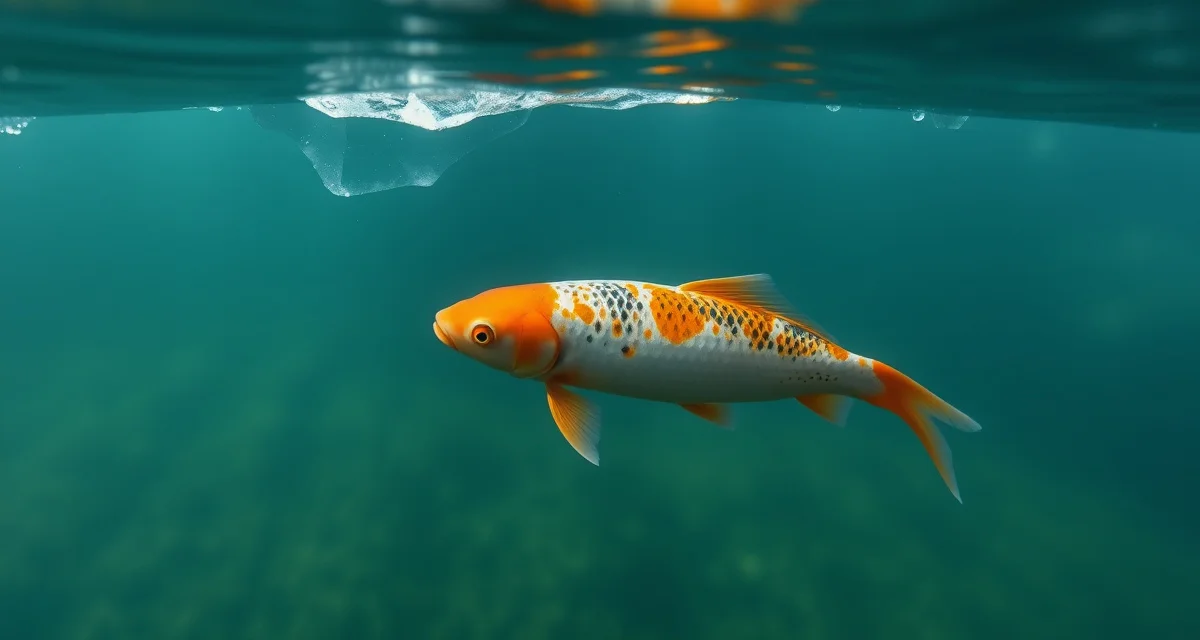
Winter Koi Disease Risks: What Threatens Fish During Dormancy
Winterkill from toxic gas accumulation under ice is responsible for more koi losses in cold-climate ponds than any disease pathogen. This isn't what most hobbyists think kills winter koi - most assume it's cold itself. But healthy koi tolerate cold extremely well. What kills them is the environment that cold creates, specifically: oxygen depletion and toxic gas buildup under ice that seals the pond surface.
KoiQuanta's winter dormancy monitoring maintains the gas exchange and temperature checks that protect koi from these silent winter dangers.
TL;DR
- At 4-6°C, a healthy koi can survive for months without issue.
- Elevated CO2 acidifies the water and impairs gas exchange across koi gills.
- Minimum depth of 4 feet allows koi to avoid ice contact while remaining in relatively stable temperature conditions.
- What to check regularly through winter: Gas exchange openings. At least every 2-3 days in hard frost periods, verify that your pond heater, de-icer, or aerator is maintaining an opening in any ice.
- Address any health issues before water temperature drops below 10°C, as treatment efficacy in cold water is poor.
- Bacterial ulcer disease (particularly Aeromonas) can progress slowly even at temperatures as low as 4°C.
What Actually Threatens Koi in Winter
Koi are physiologically adapted for cold dormancy. Their metabolism slows dramatically, their feeding stops, and their immune system essentially powers down to maintenance levels. At 4-6°C, a healthy koi can survive for months without issue.
The threats are environmental:
Winterkill (oxygen depletion): When ice covers a pond completely, it seals the water surface from atmospheric oxygen. Meanwhile, biological decomposition of organic matter continues - more slowly than in summer, but continuously. Bacteria consuming dead plant matter and organic sediment deplete the oxygen in the sealed water column. In ponds with heavy organic load, this depletion can reach lethal levels over weeks.
Carbon dioxide and ammonia accumulation: The same decomposition that depletes oxygen produces carbon dioxide and small amounts of ammonia. These gases accumulate under ice rather than off-gassing at the surface. Elevated CO2 acidifies the water and impairs gas exchange across koi gills. Ammonia at low temperatures is less acutely toxic than in warm water but still stressful with prolonged exposure.
Hydrogen sulfide: In ponds with significant sediment accumulation, anaerobic decomposition continues under ice, producing H2S. This gas is potentially lethal at very low concentrations and is insidious because it's odorless in dissolved form until you break the ice surface.
Why Some Ponds Survive Winter Better Than Others
Ponds that survive winter with minimal mortality consistently share these characteristics:
Adequate depth. Fish settle in the deepest part of the pond, below the ice line, where temperatures are most stable (water's maximum density is at 4°C, so the deepest water is actually warmest in winter). Minimum depth of 4 feet allows koi to avoid ice contact while remaining in relatively stable temperature conditions.
Low organic load entering winter. Ponds that were cleaned in autumn have less organic matter decomposing under ice, meaning less oxygen consumption and less toxic gas production. The autumn clean-out is directly protective for winter survival.
Gas exchange maintenance. Any mechanism that keeps a portion of the pond surface open prevents total gas seal-off under ice. Traditional options include pond heaters or de-icers that prevent ice from forming entirely, aerators positioned to maintain an opening in the ice, or small holes melted or maintained in the ice surface. Never break ice by hitting it - the shockwave can stun or kill fish.
Adequate pre-winter body condition. Fish entering winter thin don't have the fat reserves to survive extended dormancy. Feed well through autumn using appropriate cold-water diets.
The Monitoring Hobbyists Abandon
One of the most dangerous winter habits is stopping monitoring entirely once fish go dormant. "They're fine, they're just sleeping" is a rationalization that precedes more than a few spring discoveries of dead fish under the ice.
KoiQuanta's winter mode maintains monitoring rather than shutting it down. The winter dormancy monitoring specifically maintains gas exchange and temperature checks that protect koi from the silent dangers of winter ponds.
What to check regularly through winter:
Gas exchange openings. At least every 2-3 days in hard frost periods, verify that your pond heater, de-icer, or aerator is maintaining an opening in any ice. If ice has completely sealed the surface, address it immediately - melt a hole gently, don't break the ice.
Water temperature. In very cold climates, monitor water temperature to confirm the deep zone remains above 0°C. Shallow ponds in extremely cold climates can freeze solid.
Visual fish check. When ice is clear enough to see through, check fish positions. Dormant koi should be slow-moving or stationary in the deepest part of the pond. Fish near the ice surface may be experiencing oxygen deprivation and trying to access the gas exchange zone.
Power supply for equipment. De-icers and aerators that lose power in freezing temperatures stop working within hours. Check that equipment is functioning after any storm or power event.
Winter Diseases
While dormant koi are not actively engaged with their immune systems, certain health events can occur:
Column hemorrhagic disease/winter ulcers: Bacterial disease that progresses slowly in cold water. Fish that entered winter with early-stage infections may develop visible ulcers by mid-winter that weren't apparent in autumn. These are typically found when checking fish through clear ice.
Gas bubble disease: In some circumstances, gas supersaturation can occur in winter ponds. Fish show bubbles under the skin or in the eyes. This is uncommon but worth knowing about.
Saprolegnia (cotton wool) fungus: Fungal infections can continue at reduced pace in cold water, particularly on fish that had existing wounds entering winter.
The winter koi dormancy guide covers the complete winter management protocol. Your winter hibernation monitoring in KoiQuanta keeps your winter records active so you have a complete year-round data set.
Frequently Asked Questions
How do I protect koi from winter disease?
Winter koi protection centers on three elements: adequate pond depth (minimum 4 feet to keep fish below the ice line), maintaining a gas exchange opening in any ice cover throughout winter, and entering winter with a clean pond and healthy fish. Address any health issues before water temperature drops below 10°C, as treatment efficacy in cold water is poor. Clean sediment in autumn to reduce organic load under ice. Maintain your de-icer or aerator throughout the winter and check it regularly, especially after storms or power interruptions.
What monitoring should I maintain during koi winter dormancy?
At minimum, check gas exchange openings in ice every 2-3 days during hard frost periods, verify equipment function after any power event, and observe fish visually when ice conditions allow. If you have a dissolved oxygen meter, checking DO in the deepest part of the pond monthly through winter confirms your gas exchange management is working. Log any observations in KoiQuanta - even brief winter entries create the complete year-round record that helps you understand spring health status in context. Don't abandon monitoring just because fish are less active.
Can koi get sick while dormant in winter?
Yes, though disease progression is much slower in cold water than in warm. Fish that enter winter with subclinical infections or minor wounds can develop visible disease by mid-winter as cold-water immune suppression prevents recovery. Bacterial ulcer disease (particularly Aeromonas) can progress slowly even at temperatures as low as 4°C. More commonly, koi emerge from winter in worse condition than they entered if their pond had inadequate oxygen through the cold period. What looks like spring disease may actually be the final manifestation of a slow winter health decline rather than a spring disease event.
What is Winter Koi Disease Risks: What Threatens Fish During Dormancy?
Winter koi disease risks refer to the environmental and health threats that koi face during cold-weather dormancy. Contrary to popular belief, cold itself rarely kills koi — the real dangers are oxygen depletion, toxic gas buildup under ice, and slow-progressing bacterial infections like Aeromonas ulcer disease that can advance even at temperatures as low as 4°C.
How much does Winter Koi Disease Risks: What Threatens Fish During Dormancy cost?
Understanding winter koi risks costs nothing but attention. The key investments are practical: a pond heater, de-icer, or aerator to maintain an ice-free opening for gas exchange, and a pond depth of at least 4 feet. Catching problems early is far cheaper than treating sick fish or replacing losses in spring.
How does Winter Koi Disease Risks: What Threatens Fish During Dormancy work?
During winter, koi enter a low-metabolism dormancy state. If ice seals the pond surface, CO2 and other toxic gases accumulate while oxygen depletes — creating lethal conditions. Monitoring works by ensuring gas exchange openings remain open every 2-3 days during hard frost, and by checking water temperature and fish behavior through the season.
What are the benefits of Winter Koi Disease Risks: What Threatens Fish During Dormancy?
Proactive winter monitoring prevents the most common cause of koi loss: winterkill from gas accumulation under ice. It also allows you to catch bacterial infections before they become fatal, enter spring with healthy fish, and avoid costly treatments that are largely ineffective in cold water below 10°C.
Who needs Winter Koi Disease Risks: What Threatens Fish During Dormancy?
Any koi keeper in a cold climate where ponds freeze needs this knowledge. Hobbyists with outdoor ponds are most at risk, particularly those who assume cold-tolerant koi can simply be left unattended. Even experienced keepers can lose fish to oxygen depletion if gas exchange points are neglected during extended freezing periods.
How long does Winter Koi Disease Risks: What Threatens Fish During Dormancy take?
Winter dormancy typically spans several months depending on your climate — often November through March in temperate regions. Gas exchange checks should happen at least every 2-3 days during hard frost. Health issues must be identified and treated before water drops below 10°C, as treatment efficacy drops significantly in cold water.
What should I look for when choosing Winter Koi Disease Risks: What Threatens Fish During Dormancy?
Look for a monitoring routine that covers gas exchange openings, water temperature stability, and fish posture. A reliable de-icer or aerator is essential. Prioritize pond depth — 4 feet minimum. Before winter arrives, complete any health treatments, quarantine new fish, and ensure your filtration is set up appropriately for cold-weather conditions.
Is Winter Koi Disease Risks: What Threatens Fish During Dormancy worth it?
Yes — understanding winter koi disease risks is essential for any serious pond keeper in a cold climate. The leading cause of winter koi death is preventable with simple, consistent checks. A small investment in a de-icer and a 2-3 day monitoring habit can protect fish worth hundreds or thousands of dollars and years of growth.
Related Articles
- Fall Koi Pond Preparation: Get Your Fish Ready for Winter
- Koi Pond Power Outage Response: Protecting Fish During Electrical Failures
Sources
- Associated Koi Clubs of America (AKCA)
- Koi Organisation International (KOI)
- University of Florida IFAS Extension Aquaculture Program
- Fish Vet Group
- Water Quality Association