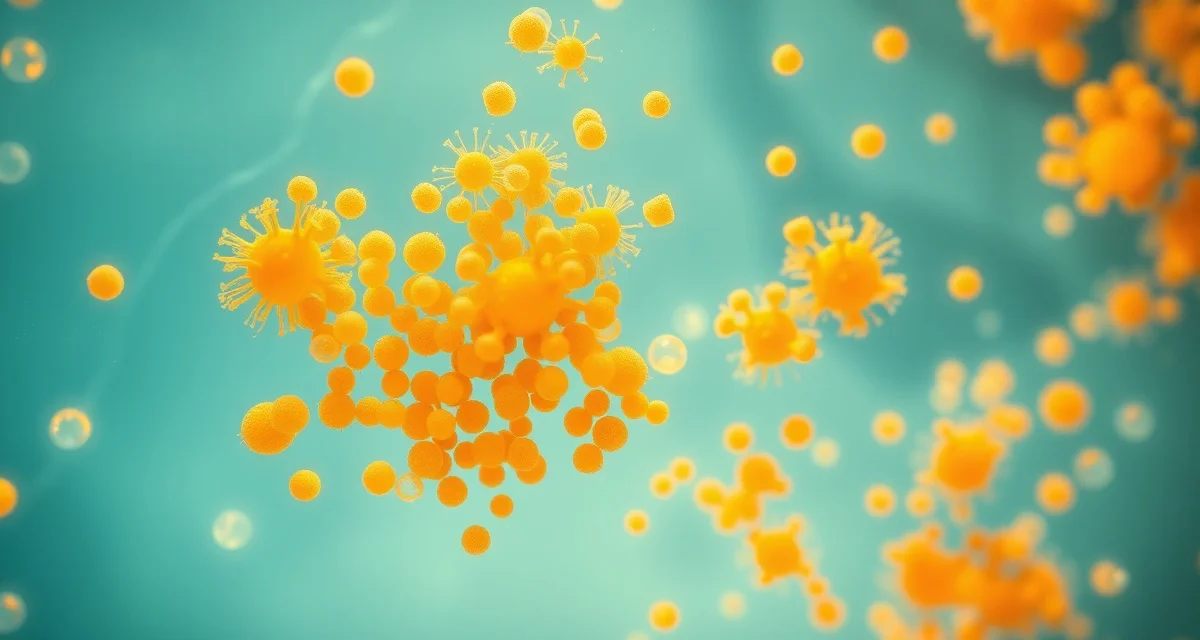
Beneficial Bacteria in Koi Ponds: What They Do and How to Protect Them
Potassium permanganate and formalin at therapeutic doses kill beneficial bacteria, temporarily crashing the nitrogen cycle in treated ponds. This is not a reason to avoid these treatments when they're necessary. It's a reason to know it will happen and monitor aggressively afterward.
Nitrifying bacteria are the biological engine of your koi pond. Without them, ammonia and nitrite accumulate to levels that kill fish in days. Understanding what they are, what threatens them, and how to protect them is foundational koi management knowledge.
TL;DR
- Always monitor ammonia and nitrite for 2-4 weeks after permanganate treatment.
- Very acidic water (below pH 6.5) significantly reduces their activity.
- Reduce feeding dramatically to reduce ammonia production 2.
- Increase aeration to ensure aerobic conditions in the filter 3.
- Perform partial water changes when either exceeds 0.5 ppm 5.
- Consider adding commercial nitrifying bacteria to accelerate repopulation 6.
- If possible, add established filter media from another system Recovery typically takes 1-4 weeks depending on the severity of the disruption and ambient water temperature.
What Beneficial Bacteria Do
Your pond's biological filter is colonized by two primary groups of bacteria working in sequence:
Ammonia-oxidizing bacteria (AOB), primarily Nitrosomonas species, convert ammonia (NH3/NH4+) to nitrite (NO2-). This is stage one of the nitrogen cycle. Ammonia is produced continuously by fish gills and from organic waste decomposition. Without AOB converting it to nitrite, ammonia would accumulate to lethal levels within days.
Nitrite-oxidizing bacteria (NOB), primarily Nitrospira species, convert nitrite to nitrate (NO3-). Nitrite is also toxic, though typically requiring longer exposure to cause mortality than ammonia. The NOB complete the cycle by converting the potentially toxic nitrite product of stage one into relatively safe nitrate.
Both groups are strictly aerobic (oxygen-dependent), slow-growing (doubling times of 8-24 hours compared to minutes for many other bacteria), and colonize surfaces such as filter media, pond walls, and substrate rather than living in the water column.
What Threatens Beneficial Bacteria
Common koi treatments:
- Potassium permanganate (KMnO4): A strong oxidizer used for parasite treatment. At therapeutic doses, it damages or kills nitrifying bacteria in the filter. Always monitor ammonia and nitrite for 2-4 weeks after permanganate treatment.
- Formalin: Used for parasites and external disease. Highly effective against nitrifiers at therapeutic concentrations. Post-treatment ammonia monitoring is essential.
- Antibiotics: Oxytetracycline, erythromycin, and other antibiotics used for bacterial koi diseases are bactericidal or bacteriostatic. They affect beneficial bacteria as well as pathogens. The degree of impact varies by drug and dose.
- Metronidazole: Generally less harmful to nitrifiers than antibiotics but worth monitoring.
- Copper: Copper treatments (copper sulfate, chelated copper) at pond-wide doses affect nitrifying bacteria.
KoiQuanta's treatment bacteriostatic risk indicator flags which treatments have the potential to damage beneficial bacteria populations, so you know when to expect a cycle disruption and can increase monitoring before ammonia or nitrite reach dangerous levels.
Environmental factors:
- Chlorine and chloramine from untreated tap water kill nitrifiers. This is one of the most common causes of unexpected cycle crashes.
- Temperature extremes: Nitrifying activity slows significantly below 10°C and above 30°C. Very cold or very hot water effectively reduces filtration capacity even without killing bacteria.
- Low dissolved oxygen: Nitrifying bacteria are strictly aerobic. If DO falls significantly in the filter media, nitrification stops. This is why maintaining adequate aeration is also biofilter protection.
- Extreme pH: Nitrifying bacteria prefer neutral to mildly alkaline conditions (pH 7-8). Very acidic water (below pH 6.5) significantly reduces their activity.
- Physical filter cleaning: Scrubbing filter media removes bacterial biomass. Always clean filter media in pond water rather than tap water, and clean only portions of the filter at a time.
Signs Your Bacterial Colony Is Struggling
The clearest sign is what you see in your water tests: rising ammonia or nitrite in a previously cycled, stable pond. If your readings have been consistently zero for months and suddenly ammonia or nitrite appears, your bacterial colony is under stress.
Behavioral signs from fish:
- Increased surface activity or gasping (elevated ammonia/nitrite causes gill irritation)
- Reduced appetite (fish stop eating in poor water quality)
- Increased mucus production visible as cloudy water
- Lethargy
Other water quality signs:
- Declining ORP as aerobic activity decreases
- Cloudiness from unchecked organic load
Any of these following a treatment event or unusual pond event warrants immediate water testing.
How to Protect Your Beneficial Bacteria
During treatment:
- Where possible, treat fish in a separate hospital tank rather than medicating the entire pond, preserving the display pond's biofilter
- If whole-pond treatment is necessary, increase monitoring frequency immediately with daily testing of ammonia and nitrite
- Be prepared to perform water changes if ammonia or nitrite rises above 0.5 ppm during treatment-related cycle disruption
After bacteriostatic treatments:
- Continue daily ammonia and nitrite monitoring for 2-4 weeks
- Reduce feeding to lower the bioload on the compromised filter
- Consider re-seeding with commercial bacteria products or established media from another filter
- Allow time for recovery rather than panicking and adding additional treatments
Routine protection:
- Always dechlorinate fill water to protect nitrifiers from chlorine/chloramine
- Never rinse filter media in tap water; always rinse in pond water or dechlorinated water
- When cleaning mechanical filtration, leave biological filtration undisturbed
- Clean only portions of biological filter media at one time (never more than 30-40%)
Recovery After a Cycle Crash
If your nitrogen cycle crashes after treatment, the recovery process is essentially a mini-cycling event:
- Reduce feeding dramatically to reduce ammonia production
- Increase aeration to ensure aerobic conditions in the filter
- Monitor ammonia and nitrite daily
- Perform partial water changes when either exceeds 0.5 ppm
- Consider adding commercial nitrifying bacteria to accelerate repopulation
- If possible, add established filter media from another system
Recovery typically takes 1-4 weeks depending on the severity of the disruption and ambient water temperature. KoiQuanta's biofilter cycling guide covers the full process of biological filter establishment and recovery.
Frequently Asked Questions
Can koi disease treatments kill my biofilter?
Yes. Potassium permanganate and formalin at therapeutic doses are bacteriostatic to nitrifying bacteria and will temporarily reduce or crash the biological filter in a treated pond. Antibiotics have variable effects depending on the drug and concentration. Copper treatments at pond-wide doses also affect nitrifiers. This doesn't mean avoiding these treatments when they're needed. It means planning for increased monitoring and being prepared to manage water quality during the recovery period. KoiQuanta flags treatment-biofilter interactions before you apply treatments so you can set up monitoring in advance.
How do I rebuild beneficial bacteria after treating my koi pond?
After a treatment that damages the biofilter, reduce feeding to minimum, maintain excellent aeration, and test ammonia and nitrite daily. Add commercial nitrifying bacteria products (Dr. Tim's Aquatics, similar) to accelerate repopulation. If you have access to established filter media from another koi keeper, adding it provides an immediate bacterial boost. Perform partial water changes to keep ammonia and nitrite below 0.5 ppm while the filter recovers. Avoid adding further treatments during this period. Recovery typically takes 1-4 weeks at warm temperatures.
How do I know if my pond bacteria are dying?
The primary indicator is rising ammonia or nitrite in a previously stable pond. If your readings have been consistently zero and both begin rising without an obvious organic overload explanation, your bacterial colony is compromised. Secondary signs include declining ORP, increased fish surface activity, reduced appetite, and cloudy water. Rising ammonia and nitrite following a treatment event are expected and should be anticipated; rising levels in a pond without a clear disruption event warrant investigation of what changed. The most common causes are untreated tap water that killed bacteria, or a temperature or oxygen event that disrupted nitrifier activity.
What is Beneficial Bacteria in Koi Ponds: What They Do and How to Protect Them?
Beneficial bacteria in koi ponds are microscopic organisms that colonize your biological filter and convert toxic ammonia into nitrite, then nitrite into the far less harmful nitrate. Two primary groups work in sequence: ammonia-oxidizing bacteria (AOB) and nitrite-oxidizing bacteria (NOB). Without them, waste from your koi accumulates rapidly and can kill fish within days. They form the invisible foundation of a healthy, stable pond ecosystem.
How much does Beneficial Bacteria in Koi Ponds: What They Do and How to Protect Them cost?
Beneficial bacteria themselves are free — they colonize naturally from the environment over 4-8 weeks as your pond cycles. Commercial nitrifying bacteria products, used to accelerate colonization or rebuild after a crash, typically cost $15–$60 depending on brand and pond size. The real investment is the biological filter media they live on, which can range from budget foam pads to high-surface-area ceramic or plastic biomedia costing hundreds of dollars.
How does Beneficial Bacteria in Koi Ponds: What They Do and How to Protect Them work?
Ammonia-oxidizing bacteria consume ammonia excreted by your koi and convert it to nitrite. A second bacterial group then converts nitrite to nitrate. This two-stage process, called nitrification, requires oxygen, stable temperature, and a pH above 6.5 to function efficiently. The bacteria colonize porous filter media inside your biofilter, forming a biofilm. Water passes through continuously, allowing bacteria to process waste before it reaches toxic concentrations.
What are the benefits of Beneficial Bacteria in Koi Ponds: What They Do and How to Protect Them?
A healthy beneficial bacteria colony keeps ammonia and nitrite at or near zero, protecting your koi from chemical burns to gills and tissue damage. It eliminates the need for constant water changes to dilute toxins, allows higher fish loads, and creates a stable environment where koi can thrive rather than merely survive. A fully cycled pond with a robust bacteria colony is the single biggest factor separating healthy ponds from problem ponds.
Who needs Beneficial Bacteria in Koi Ponds: What They Do and How to Protect Them?
Any koi keeper with a pond needs to understand beneficial bacteria — from beginners setting up their first system to experienced hobbyists managing multiple ponds. It's especially critical knowledge for anyone using medications like potassium permanganate or formalin, which can crash the bacterial colony. Pond owners who experience unexplained fish losses, or whose fish show signs of stress after treatment, are often dealing with a disrupted nitrogen cycle.
How long does Beneficial Bacteria in Koi Ponds: What They Do and How to Protect Them take?
Initial colonization of a new pond typically takes 4-8 weeks. After a disruption — such as chemical treatment, a filter cleaning mistake, or prolonged power outage — recovery takes 1-4 weeks depending on water temperature, the severity of the crash, and whether you add established filter media or commercial bacteria products. Warmer water accelerates bacterial growth. Monitor ammonia and nitrite daily until both read zero consistently for at least a week.
What should I look for when choosing Beneficial Bacteria in Koi Ponds: What They Do and How to Protect Them?
When choosing commercial nitrifying bacteria products, look for live liquid formulations rather than freeze-dried powders — live cultures establish faster. Check that the product contains both ammonia-oxidizing and nitrite-oxidizing strains. Verify it hasn't exceeded its expiration date, as viability drops sharply over time. For post-treatment recovery, the most effective option is seeding your filter with established media from a healthy, disease-free pond you trust.
Is Beneficial Bacteria in Koi Ponds: What They Do and How to Protect Them worth it?
Yes. Understanding and protecting beneficial bacteria is not optional for koi keeping — it is foundational. A crashed nitrogen cycle is one of the most common causes of koi death and is entirely preventable with basic monitoring. The cost is minimal: a reliable test kit for ammonia and nitrite, occasional bacteria products after treatments, and the habit of testing water after any disruption. The alternative is losing fish that may have taken years to grow.
Related Articles
- Activated Carbon in Koi Ponds: When to Use It and When to Remove It
- Autumn Disease Risks in Koi Ponds: What to Watch For in Fall
Sources
- Associated Koi Clubs of America (AKCA)
- Koi Organisation International (KOI)
- University of Florida IFAS Extension Aquaculture Program
- Fish Vet Group
- Water Quality Association