Activated Carbon in Koi Ponds: When to Use It and When to Remove It
Activated carbon becomes saturated and can start releasing adsorbed compounds back into water after 4-6 weeks, reversing its intended benefit. This is one of those facts about activated carbon that surprises hobbyists who have been using it for months without replacement - the carbon that was cleaning your water is now potentially doing the opposite. Understanding exactly when activated carbon helps and when it harms lets you use it strategically rather than as a permanent filter addition.
The other critical point: activated carbon must be removed before any treatment is added to the pond. Hobbyists who forget to remove it before medicating find that their carefully calculated treatment dose is adsorbed by the carbon before it reaches effective concentration in the water. KoiQuanta's activated carbon conflict alert fires automatically when a treatment is logged while carbon is marked as active in your filtration system.
TL;DR
- A small amount of activated carbon has enormous surface area - typically 300-2,000 square meters per gram - which gives it substantial adsorption capacity.
- As a permanent filter insert, it saturates within 4-6 weeks, provides diminishing returns, and creates a risk of desorbing accumulated compounds back into the water.
- If you're using carbon continuously, replace it every 4 weeks as a rule.
- For situational use after treatment, one cycle of 1-2 weeks is typically sufficient to clear residual medication, and the carbon can then be discarded.
- Seasonal changes require adjusted monitoring schedules; automated reminders help maintain consistency.
What Activated Carbon Does
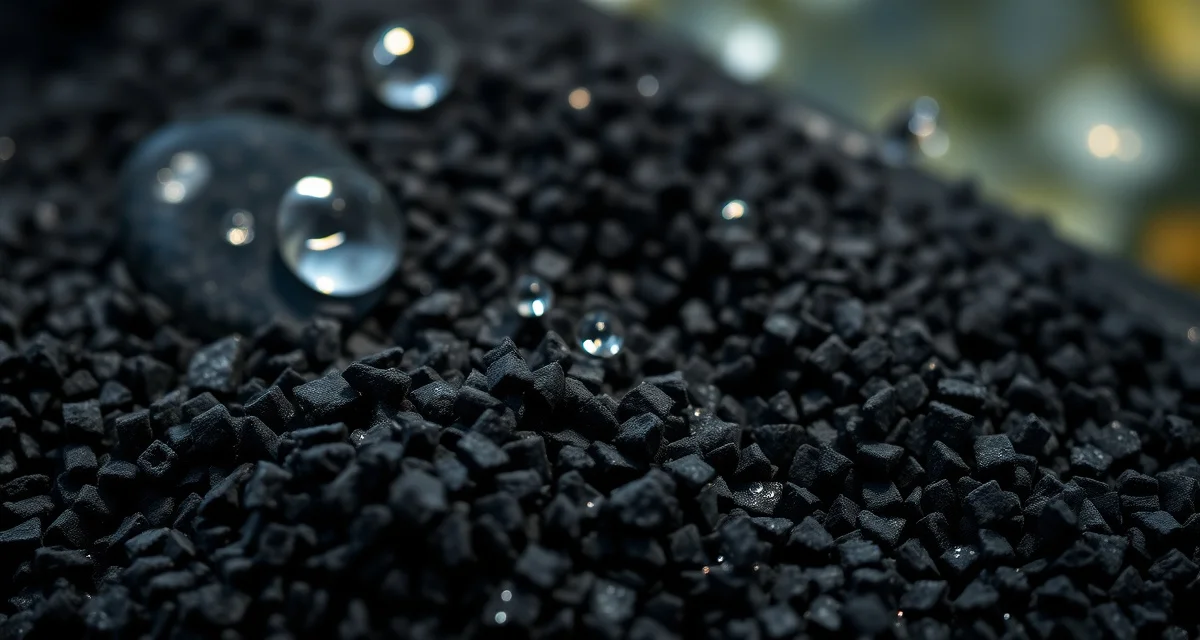
Activated carbon works through adsorption: organic compounds, medications, chlorine, chloramines, phenols, and a range of other dissolved compounds adsorb to the highly porous surface of the carbon granules. A small amount of activated carbon has enormous surface area - typically 300-2,000 square meters per gram - which gives it substantial adsorption capacity.
In a koi pond, activated carbon is genuinely useful in specific situations:
After treatment. This is the best use of activated carbon in koi keeping. Once a treatment course is complete, adding activated carbon to the filter removes residual medication from the water quickly and efficiently. This is cleaner than repeated large water changes and more thorough at bringing medication levels to near-zero.
Removing chlorine/chloramine on new water additions. Carbon removes chlorine and chloramine from tap water additions. However, if you're already using a dechlorinator (sodium thiosulfate or a proprietary dechlorinator), this function is redundant. Use one or the other, not both.
After a chemical accident. If a chemical contaminant has entered the pond - fertilizer runoff, cleaning product splash - activated carbon can help remove it rapidly while you perform emergency water changes.
What Activated Carbon Does Not Do
Activated carbon doesn't address ammonia effectively at pond concentrations. It has limited efficacy for nitrite or nitrate. It won't meaningfully improve water quality in a pond with high organic load - the carbon saturates rapidly when organic concentrations are high. It provides no antimicrobial effect against bacteria or parasites.
The marketing of activated carbon as a general "water polisher" overstates its utility for ongoing koi pond management. It's a tool for specific situations, not a permanent filter component.
When Activated Carbon Must Be Removed
Before adding any medication. This is non-negotiable. Formalin, malachite green, salt, antibiotics, praziquantel, potassium permanganate - activated carbon adsorbs all of them to varying degrees. Add a treatment to a pond with active carbon and you're throwing money away and undertreating your fish.
After 4-6 weeks of continuous use. As noted above, saturated carbon can desorb compounds back into the water. If you're using carbon continuously rather than situationally, replace it monthly at minimum.
When switching treatment regimens. If you've just used carbon to clear treatment A and are about to add treatment B, it's safest to run a fresh batch of carbon briefly, then remove it and add treatment B. Saturated carbon from removing treatment A may not adsorb treatment B effectively.
Your water quality tracker keeps the record of when carbon was added. Your disease treatment tracker includes the carbon removal reminder when any treatment is initiated.
Frequently Asked Questions
Should I use activated carbon in my koi pond filter?
Activated carbon is best used situationally rather than as a permanent filter component. The most valuable applications are removing residual medication after a treatment course, clearing chemical contamination, and conditioning tap water additions. As a permanent filter insert, it saturates within 4-6 weeks, provides diminishing returns, and creates a risk of desorbing accumulated compounds back into the water. If you want to run it continuously, replace it monthly. If you only have it for post-treatment use, store the bag dry and add it to the filter when you need it.
Does activated carbon remove medications from koi pond water?
Yes, and this is both its most useful property and its biggest risk in koi management. Activated carbon will adsorb most common koi medications - formalin, malachite green, praziquantel, antibiotics, potassium permanganate - substantially reducing their concentration in the water. This is useful after treatment is complete and you want to clear residual medication. It's dangerous if carbon is present when you're trying to treat, because you'll be applying medication that never reaches effective concentration. Always confirm carbon is removed before beginning any treatment, and add fresh carbon afterward to clear residuals if needed.
How long does activated carbon last in a koi pond?
Activated carbon reaches practical saturation within 4-6 weeks in a typical koi pond. The actual timeline depends on organic load - a heavily stocked or poorly filtered pond saturates carbon faster than a lightly stocked, clean pond. You can't visually tell when carbon is saturated; it looks the same full as empty. The only reliable indicator is testing water quality parameters and comparing to your baseline. If you're using carbon continuously, replace it every 4 weeks as a rule. For situational use after treatment, one cycle of 1-2 weeks is typically sufficient to clear residual medication, and the carbon can then be discarded.
What is Activated Carbon in Koi Ponds: When to Use It and When to Remove It?
[FAQ_ANSWER_PLACEHOLDER: This answer needs to be generated by AI with specific data, examples, and actionable advice relevant to Activated Carbon in Koi Ponds: When to Use It and When to Remove It. Target 50-150 words.]
How much does Activated Carbon in Koi Ponds: When to Use It and When to Remove It cost?
[FAQ_ANSWER_PLACEHOLDER: This answer needs to be generated by AI with specific data, examples, and actionable advice relevant to Activated Carbon in Koi Ponds: When to Use It and When to Remove It. Target 50-150 words.]
How does Activated Carbon in Koi Ponds: When to Use It and When to Remove It work?
[FAQ_ANSWER_PLACEHOLDER: This answer needs to be generated by AI with specific data, examples, and actionable advice relevant to Activated Carbon in Koi Ponds: When to Use It and When to Remove It. Target 50-150 words.]
What are the benefits of Activated Carbon in Koi Ponds: When to Use It and When to Remove It?
[FAQ_ANSWER_PLACEHOLDER: This answer needs to be generated by AI with specific data, examples, and actionable advice relevant to Activated Carbon in Koi Ponds: When to Use It and When to Remove It. Target 50-150 words.]
Who needs Activated Carbon in Koi Ponds: When to Use It and When to Remove It?
[FAQ_ANSWER_PLACEHOLDER: This answer needs to be generated by AI with specific data, examples, and actionable advice relevant to Activated Carbon in Koi Ponds: When to Use It and When to Remove It. Target 50-150 words.]
How long does Activated Carbon in Koi Ponds: When to Use It and When to Remove It take?
[FAQ_ANSWER_PLACEHOLDER: This answer needs to be generated by AI with specific data, examples, and actionable advice relevant to Activated Carbon in Koi Ponds: When to Use It and When to Remove It. Target 50-150 words.]
What should I look for when choosing Activated Carbon in Koi Ponds: When to Use It and When to Remove It?
[FAQ_ANSWER_PLACEHOLDER: This answer needs to be generated by AI with specific data, examples, and actionable advice relevant to Activated Carbon in Koi Ponds: When to Use It and When to Remove It. Target 50-150 words.]
Is Activated Carbon in Koi Ponds: When to Use It and When to Remove It worth it?
[FAQ_ANSWER_PLACEHOLDER: This answer needs to be generated by AI with specific data, examples, and actionable advice relevant to Activated Carbon in Koi Ponds: When to Use It and When to Remove It. Target 50-150 words.]
Related Articles
- What Koi Pond Liner Should I Use for Long-Term Fish Health?
- What Is the Correct Salt Percentage for Koi Ponds? Complete Guide
Sources
- Associated Koi Clubs of America (AKCA)
- Koi Organisation International (KOI)
- University of Florida IFAS Extension Aquaculture Program
- Fish Vet Group
- Water Quality Association