Koi Pineconing Scales: What It Means and What to Do
Koi with fully pineconed scales have a survival rate estimated at under 25% even with treatment. This is one of the most serious presentations in koi health, and understanding its significance is important for making informed treatment decisions.
KoiQuanta's disease identification module flags pineconing as a high-urgency condition. No competitor connects symptom presentation to prognosis assessment the way KoiQuanta does.
TL;DR
- Pineconing is one of the most serious presentations in koi health, with a survival rate under 25% in fully affected fish even with treatment.
- Tracking trends over time reveals issues before they become visible in fish behavior.
- KoiQuanta connects observations, water data, and treatment records in one searchable history.
- Early detection based on parameter trends reduces treatment costs and fish stress.
- Seasonal changes require adjusted monitoring schedules; automated reminders help maintain consistency.
What Pineconing Means
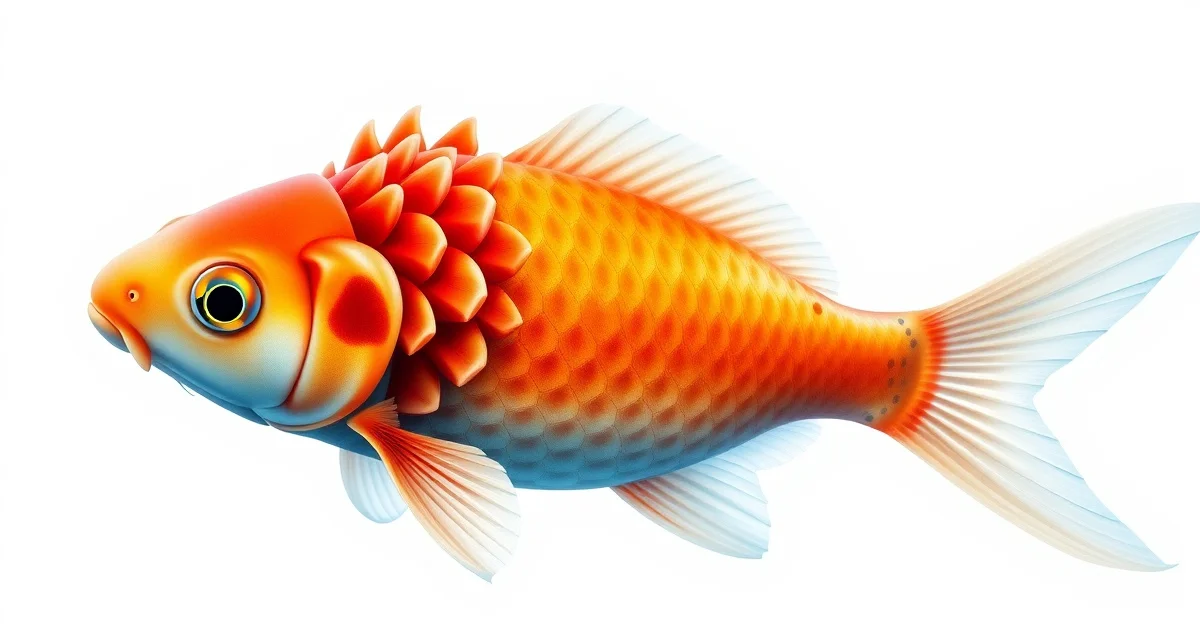
When koi scales stand away from the body surface in a pattern resembling a pine cone or an open artichoke, it's called pineconing or scale protrusion. The medical term for the condition causing this is ascites or dropsy.
The raised scales are caused by fluid accumulation in the body. When fluid builds up in the tissues and body cavity under the skin, it creates pressure that pushes the scales outward and away from the body surface. The scales themselves are not the disease. The fluid accumulation is the disease, and it indicates serious organ failure.
What Causes Dropsy
Dropsy (ascites with scale protrusion) in koi is almost always a symptom of systemic disease rather than a disease itself. The most common underlying causes:
- Bacterial septicemia: Systemic bacterial infection (commonly Aeromonas) causing organ failure and fluid regulation breakdown
- Viral infection: Some viral conditions including certain strains cause fluid accumulation
- Organ failure: Kidney failure or liver failure disrupts osmoregulation and causes fluid to accumulate
- Parasitic disease: Heavy internal parasite loads can contribute to systemic deterioration
- Nutritional deficiency: Chronic poor nutrition can compromise organs over time
The Prognosis: Honest Assessment
The survival rate for koi with fully pineconed scales (all scales standing out clearly, visible from multiple angles) is under 25% even with aggressive treatment. This is a clinical reality that experienced koi keepers accept, even when it's difficult.
The prognosis improves significantly with early intervention. A fish showing early, partial pineconing in one area of the body has a better prognosis than one with full-body scale protrusion. This is why logging and tracking any subtle changes in scale appearance matters.
Several factors affect prognosis:
- Speed of onset: Rapid, acute onset has a worse prognosis than gradual development
- Extent of pineconing: Partial vs. full-body involvement
- Other symptoms: Fish still eating and active have better prognosis than those with complete appetite loss and lethargy
- Underlying cause: Some causes (particularly KHV and other serious viral diseases) carry near-zero prognosis; bacterial causes sometimes respond to treatment
Treatment Options
Isolation first. Isolate any fish showing pineconing signs immediately. If the underlying cause is bacterial septicemia, it may be contagious to other fish in shared water.
Epsom salt bath. Magnesium sulfate (Epsom salt) at 1-3 teaspoons per gallon helps draw fluid from the tissues via osmosis. This reduces swelling temporarily and provides some relief. It does not address the underlying cause but can support other treatment.
Antibiotic therapy. If bacterial septicemia is the likely cause (most common in the absence of other obvious cause), antibiotic treatment through medicated food is the most practical approach for most hobbyists. Injectable antibiotics administered by a fish vet have better efficacy for systemic infections.
Supportive care. Reduce handling stress, maintain excellent water quality, and ensure good oxygenation. A fish fighting systemic disease needs every advantage from its environment.
Euthanasia consideration. If a fish is severely affected, no longer eating, and not responding to treatment after 5-7 days, euthanasia is the humane choice. A fish suffering from advanced dropsy with no treatment response is experiencing significant distress.
When to See a Veterinarian
A fish showing pineconing scales warrants veterinary attention if the fish has significant monetary or sentimental value and you want the best possible prognosis. A fish vet can:
- Confirm the diagnosis and identify the likely underlying cause
- Provide injectable antibiotic therapy (much more effective than medicated food for systemic infections)
- Advise on whether treatment is appropriate given the specific presentation
Frequently Asked Questions
What does it mean when koi scales stick up?
When koi scales stick out from the body surface in a pattern resembling a pine cone, it's called pineconing and it indicates fluid accumulation in the tissues, a condition called ascites or dropsy. The fluid accumulation causes internal pressure that pushes scales outward. This is almost always a sign of serious systemic disease, most commonly bacterial septicemia causing organ failure or a primary organ failure disrupting the fish's ability to regulate fluid balance. Pineconing is one of the most serious presentations in koi health, with a survival rate under 25% in fully affected fish even with treatment.
Is pineconing koi treatable?
Some cases are treatable, but the prognosis is poor especially in fully pineconed fish. Early-stage pineconing affecting only part of the body, where the fish is still eating and active, is more treatable than advanced full-body scale protrusion with complete lethargy and appetite loss. Treatment typically involves isolation, Epsom salt baths to reduce fluid accumulation, antibiotic therapy if bacterial infection is the underlying cause, and supportive care. A fish vet can provide injectable antibiotic therapy that's more effective than medicated food for systemic infections. Honest prognosis assessment is important before committing to expensive treatment.
What causes koi to pinecone?
Pineconing (scale protrusion from fluid accumulation) is caused by systemic conditions that disrupt the fish's ability to regulate fluid balance. The most common underlying causes are bacterial septicemia (systemic bacterial infection causing organ failure), primary organ failure (kidney or liver failure disrupting osmoregulation), viral infections in some cases, and chronic systemic disease from heavy internal parasite loads or nutritional deficiency. The pineconing itself is a symptom of these underlying conditions, not a disease in itself. Treating pineconing without addressing the underlying cause produces only temporary improvement.
What is Koi Pineconing Scales: What It Means and What to Do?
Koi pineconing scales, also called dropsy or ascites, is a serious condition where a koi's scales protrude outward resembling a pine cone. It's caused by fluid accumulating in the body tissues and cavity, typically signaling organ failure or severe infection. It is one of the most critical health presentations in koi keeping, with survival rates under 25% in fully affected fish even with prompt treatment.
How much does Koi Pineconing Scales: What It Means and What to Do cost?
Diagnosing and treating koi pineconing involves costs for water testing, medications such as antibiotics or antiparasitics, and potentially veterinary consultation. Costs vary widely depending on treatment approach and fish size. Using a monitoring platform like KoiQuanta to catch early warning signs through parameter tracking can reduce treatment costs significantly by enabling intervention before the condition fully develops.
How does Koi Pineconing Scales: What It Means and What to Do work?
Pineconing works as a visible symptom of underlying systemic failure. Fluid accumulates beneath the skin due to kidney dysfunction, bacterial infection, or organ damage, forcing scales outward. Treatment typically involves isolating the fish, improving water quality, and administering antibiotics. KoiQuanta tracks water parameters and health observations over time, helping identify the trends that often precede visible pineconing.
What are the benefits of Koi Pineconing Scales: What It Means and What to Do?
Understanding koi pineconing gives pond keepers the knowledge to act quickly and make informed decisions about treatment or humane euthanasia. Early recognition improves the slim odds of survival. Platforms like KoiQuanta connect symptom data with water quality history, giving keepers a fuller picture of what triggered the condition and how to prevent recurrence in other fish.
Who needs Koi Pineconing Scales: What It Means and What to Do?
Any koi keeper who maintains a pond with live fish needs to understand pineconing. It can affect koi of any age or size, and its rapid progression means hesitation reduces survival chances. Hobbyists with multiple fish are especially at risk of spread if an underlying bacterial cause is present. Informed keepers who monitor trends proactively are best positioned to respond effectively.
How long does Koi Pineconing Scales: What It Means and What to Do take?
Pineconing can progress from early scale lifting to full protrusion within days. Once fully pineconed, the window for effective treatment is extremely narrow. Early-stage intervention offers the best outcomes, which is why consistent daily observation and parameter monitoring matter. KoiQuanta's automated reminders and trend alerts help keepers maintain the monitoring schedule needed to catch the condition before it becomes critical.
What should I look for when choosing Koi Pineconing Scales: What It Means and What to Do?
When responding to pineconing, prioritize speed of diagnosis, water quality assessment, and isolation. Look for a systematic approach that connects visible symptoms to recent parameter changes and feeding records. Tools that log observations alongside water data help identify root causes. KoiQuanta's disease identification module flags pineconing as high urgency and links prognosis context directly to the symptom, which most platforms do not provide.
Is Koi Pineconing Scales: What It Means and What to Do worth it?
If you keep koi, understanding pineconing is absolutely worth it. The condition's poor prognosis means knowledge and preparation are the only real advantages a keeper has. Recognizing early signs, knowing when to treat versus when to consider euthanasia, and using monitoring tools like KoiQuanta to track trends before symptoms appear can save fish lives and prevent pond-wide losses from spreading disease.
Related Articles
Sources
- Associated Koi Clubs of America (AKCA)
- Koi Organisation International (KOI)
- University of Florida IFAS Extension Aquaculture Program
- Fish Vet Group
- Water Quality Association