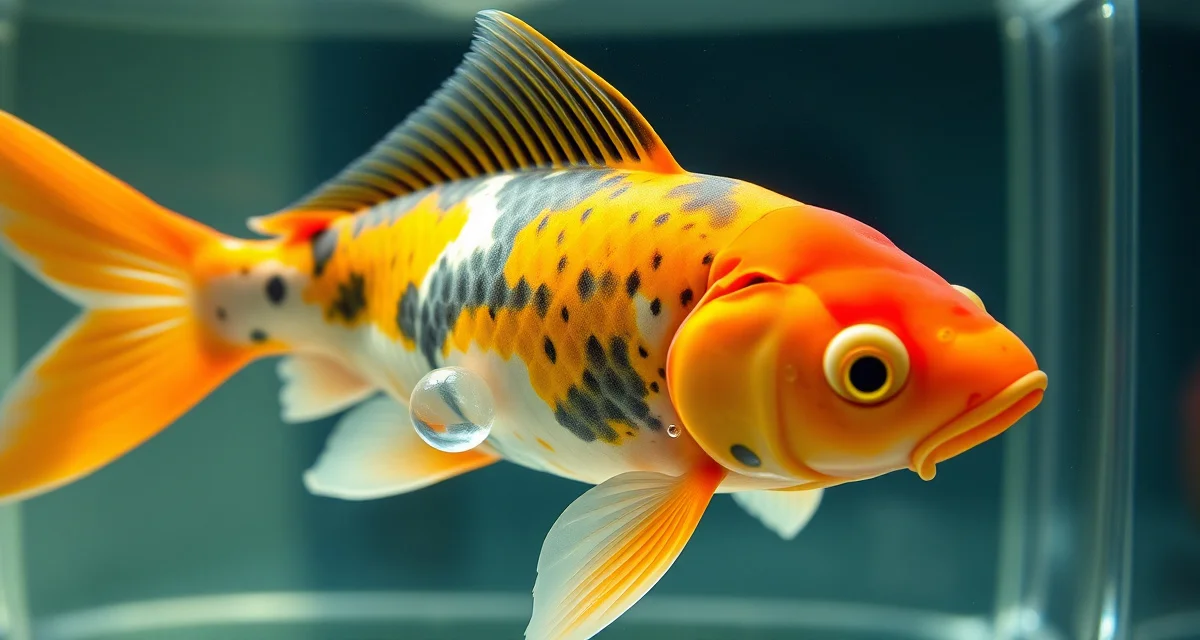
Gas Bubble Disease in Koi: Identification and Treatment
Gas bubble disease is caused by supersaturated water -- often from well water or pressure system issues. This is the key diagnostic clue that distinguishes gas bubble disease from swim bladder disorder, which is what it's most commonly confused with. Both conditions cause buoyancy problems. Only one is caused by the water supply.
When you understand the mechanism -- dissolved gas coming out of solution inside the fish's tissues, forming emboli -- the treatment becomes obvious, and more importantly, the source becomes identifiable and fixable.
TL;DR
- A simple setup: a barrel with an air stone running for 24 hours before use.
- Test for gas supersaturation with a dissolved oxygen meter -- readings above 100-110% saturation warrant investigation even if you're not seeing fish symptoms.
- For well water: store in an open container with an air stone for 24-48 hours before use to allow gas equilibration to atmospheric levels.
- Early detection based on parameter trends reduces treatment costs and fish stress.
- Seasonal changes require adjusted monitoring schedules; automated reminders help maintain consistency.
How Gas Bubble Disease Happens
Water holds dissolved gases (primarily nitrogen and oxygen) at concentrations that depend on pressure and temperature. Under normal atmospheric conditions at the surface, water is in equilibrium -- the dissolved gas concentration matches what the atmosphere allows at that temperature.
Supersaturation occurs when water holds more dissolved gas than it should at atmospheric pressure:
Well water: Groundwater is often under pressure that holds dissolved gas in solution above what would be present at surface pressure. When this water is pumped directly into a pond without degassing (letting it off-gas before use), fish breathe in water with high dissolved gas, which then forms emboli in gill capillaries and other fine blood vessels as pressure drops.
Pressure system issues: Pump intakes with air leaks can pull air into the pump and dissolve it under pump pressure. This supersaturated water then enters the pond.
After heavy rain: Rainfall can supersaturate surface water under certain conditions.
Heavily planted ponds in high sunlight: Photosynthesis can produce oxygen saturation above atmospheric equilibrium.
Identification: Gas Bubble Disease vs. Swim Bladder Disorder
KoiQuanta's disease identification module distinguishes gas bubble from swim bladder symptoms through a series of diagnostic questions. The key differentiators:
Gas bubble disease signs:
- Buoyancy problems that appeared suddenly, often shortly after a water addition or supply change
- Gas bubbles visible in the eye (behind the cornea -- "pop-eye" appearance in advanced cases)
- Bubbles visible in fin tissue, particularly in pale or translucent fins viewed against light
- Emboli visible in gill capillaries during gill examination
- Multiple fish affected simultaneously (swim bladder is typically individual fish)
- History of well water use or recent pond filling/water changes from a new source
Swim bladder disorder signs:
- Buoyancy problems that developed gradually or after a feeding or constipation event
- Single fish affected
- No visible gas in eye or fins
- History of overfeeding, feeding cold water food, or a dietary change
The simultaneous presentation of multiple fish with buoyancy problems is the single most important distinguishing factor. Swim bladder disorder rarely affects multiple fish at the same time from the same cause. Multiple fish with buoyancy problems after a water change points strongly toward gas bubble disease.
Treatment and Response
Gas bubble disease treatment is primarily environmental:
Stop adding supersaturated water immediately. If the source is well water, stop all additions until the issue is resolved.
Increase surface agitation. Strong aeration, waterfall, and surface agitation help drive off excess dissolved gas from the pond water. This reduces the gas gradient that's driving bubble formation in fish tissues.
Allow water to degas before use. Well water should be stored in an open container (a barrel or holding tank) for 24-48 hours before adding to the pond. This allows dissolved gas to equilibrate to atmospheric levels.
Reduce pump pressure if applicable. If supersaturation is from a pressurized system, address the air leak at the pump intake or adjust system design.
For fish with emboli: Move affected fish to an aerated holding tank with properly degassed water. Mild cases may resolve as fish are removed from the supersaturated environment and the emboli are gradually reabsorbed.
Severe cases: Fish with extensive emboli -- particularly gill emboli that compromise oxygen absorption -- may die or be permanently damaged even with prompt intervention. Fish with visible bubbles in the eyes or severe fin tissue damage have poorer prognoses than fish where emboli are detected early.
Prevention
If you use well water, always aerate or store it before adding to the pond. A simple setup: a barrel with an air stone running for 24 hours before use. Test for gas supersaturation with a dissolved oxygen meter -- readings above 100-110% saturation warrant investigation even if you're not seeing fish symptoms.
Check pump intakes regularly for air leaks. The sign is micro-bubbles in the water return -- small, persistent bubbles released from the pump output are a supersaturation signal from air being dissolved under pump pressure.
For guidance on swim bladder treatment in cases where that diagnosis is confirmed, the koi swim bladder treatment guide covers that distinct condition. For the differential diagnosis process for other buoyancy and neurological signs, the koi disease identification guide walks through the diagnostic approach for ambiguous presentations.
Frequently Asked Questions
How do I tell gas bubble disease from swim bladder in koi?
The most reliable distinguishing factor is whether multiple fish are affected simultaneously. Swim bladder disorder typically affects individual fish from internal causes (overfeeding, infection, injury). Gas bubble disease affects multiple fish at the same time because they're all breathing the same supersaturated water. Look also for bubbles visible in the eye (behind the cornea) or in fin tissue against light -- these are pathognomonic for gas bubble disease and don't occur with swim bladder disorder. History matters: recent water additions from a new source, well water use, or pump changes correlate with gas bubble disease.
What causes gas bubble disease in koi?
Supersaturated water -- water that holds more dissolved gas (primarily nitrogen and oxygen) than it should at atmospheric pressure. The most common sources are: well water that was pressurized underground and not degassed before use, pump intakes with air leaks that dissolve air under pump pressure, and occasionally photosynthesis-driven oxygen supersaturation in densely planted ponds in high sunlight. The supersaturated water enters fish through the gills, and dissolved gas comes out of solution in fine blood vessels as pressure drops, forming emboli.
How do I treat gas bubble disease in koi?
Remove the supersaturated water source immediately -- stop all well water additions or identify and fix the pump air leak causing supersaturation. Increase surface agitation in the pond to drive off excess dissolved gas. Move affected fish to a holding tank with properly degassed water if possible. For well water: store in an open container with an air stone for 24-48 hours before use to allow gas equilibration to atmospheric levels. Mild cases often resolve once fish are removed from the supersaturated environment. Severe cases with extensive gill or eye emboli have poorer outcomes even with prompt response.
What is Gas Bubble Disease in Koi: Identification and Treatment?
[FAQ_ANSWER_PLACEHOLDER: This answer needs to be generated by AI with specific data, examples, and actionable advice relevant to Gas Bubble Disease in Koi: Identification and Treatment. Target 50-150 words.]
How much does Gas Bubble Disease in Koi: Identification and Treatment cost?
[FAQ_ANSWER_PLACEHOLDER: This answer needs to be generated by AI with specific data, examples, and actionable advice relevant to Gas Bubble Disease in Koi: Identification and Treatment. Target 50-150 words.]
How does Gas Bubble Disease in Koi: Identification and Treatment work?
[FAQ_ANSWER_PLACEHOLDER: This answer needs to be generated by AI with specific data, examples, and actionable advice relevant to Gas Bubble Disease in Koi: Identification and Treatment. Target 50-150 words.]
What are the benefits of Gas Bubble Disease in Koi: Identification and Treatment?
[FAQ_ANSWER_PLACEHOLDER: This answer needs to be generated by AI with specific data, examples, and actionable advice relevant to Gas Bubble Disease in Koi: Identification and Treatment. Target 50-150 words.]
Who needs Gas Bubble Disease in Koi: Identification and Treatment?
[FAQ_ANSWER_PLACEHOLDER: This answer needs to be generated by AI with specific data, examples, and actionable advice relevant to Gas Bubble Disease in Koi: Identification and Treatment. Target 50-150 words.]
How long does Gas Bubble Disease in Koi: Identification and Treatment take?
[FAQ_ANSWER_PLACEHOLDER: This answer needs to be generated by AI with specific data, examples, and actionable advice relevant to Gas Bubble Disease in Koi: Identification and Treatment. Target 50-150 words.]
What should I look for when choosing Gas Bubble Disease in Koi: Identification and Treatment?
[FAQ_ANSWER_PLACEHOLDER: This answer needs to be generated by AI with specific data, examples, and actionable advice relevant to Gas Bubble Disease in Koi: Identification and Treatment. Target 50-150 words.]
Is Gas Bubble Disease in Koi: Identification and Treatment worth it?
[FAQ_ANSWER_PLACEHOLDER: This answer needs to be generated by AI with specific data, examples, and actionable advice relevant to Gas Bubble Disease in Koi: Identification and Treatment. Target 50-150 words.]
Related Articles
- Koi Disease Hub: Identification, Treatment, and Prevention
- Internal Parasites in Koi: Identification, Diagnosis, and Treatment
Sources
- Associated Koi Clubs of America (AKCA)
- Koi Organisation International (KOI)
- University of Florida IFAS Extension Aquaculture Program
- Fish Vet Group
- Water Quality Association