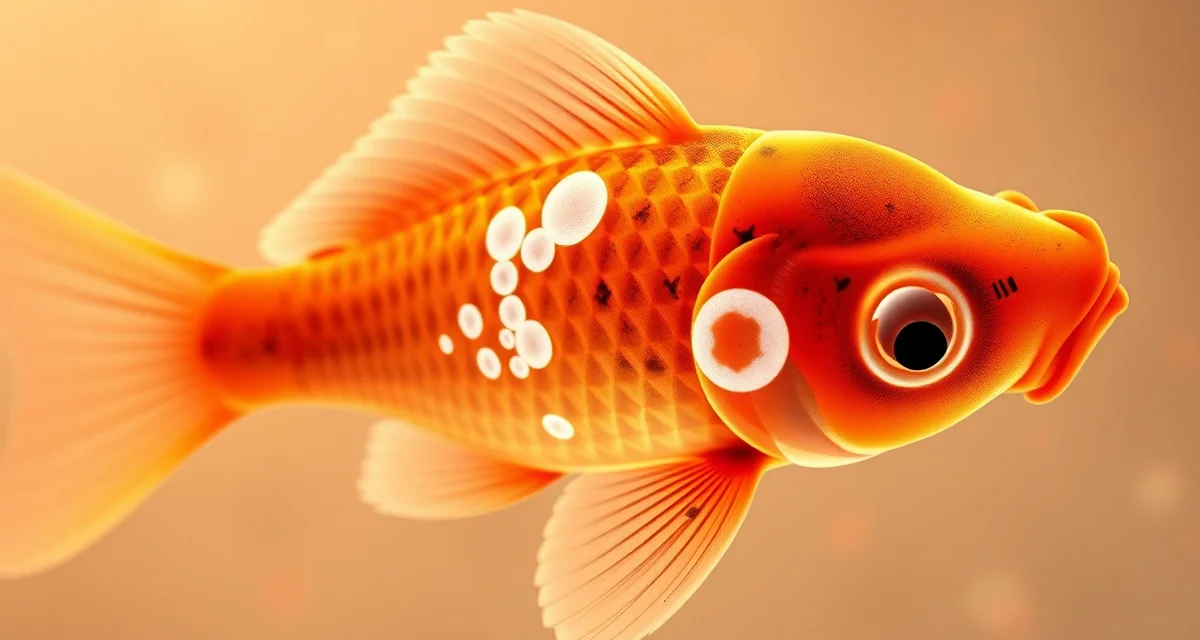
Columnaris in Koi: Saddle-Back Disease Identification and Treatment
Columnaris spreads 3x faster at 25°C than at 15°C, making summer outbreaks extremely dangerous without early detection. This temperature-dependent virulence is what makes Columnaris distinctly different from spring Aeromonas disease - it's a warm-water pathogen at its most dangerous during hot weather, when stressed fish are already dealing with reduced dissolved oxygen and heat-related immune pressure.
KoiQuanta's warm-water Columnaris risk alert fires when pond temperature exceeds 22°C and organic load is elevated, flagging prime outbreak conditions.
TL;DR
- KoiQuanta's warm-water Columnaris risk alert fires when pond temperature exceeds 22°C and organic load is elevated, flagging prime outbreak conditions.
- Above 25°C, Columnaris virulence is dramatically higher.
- Temperature context matters: Columnaris is more virulent and more likely above 22°C.
- Alongside systemic antibiotics, salt at 0.3-0.5% reduces external bacterial load, and potassium permanganate baths can clear external skin infection.
- Culture and sensitivity testing is recommended if initial treatment fails to produce improvement within 5-7 days.
- In warm water above 22°C, it can move through an entire pond population extremely rapidly - the speed of spread is proportional to water temperature.
What Columnaris Is
Columnaris disease is caused by Flavobacterium columnare, a gram-negative, rod-shaped bacterium that's ubiquitous in freshwater environments. Like Aeromonas, it's an opportunistic pathogen that exploits vulnerability - but unlike Aeromonas, it's specifically adapted to warm water and becomes significantly more virulent as temperature rises.
Flavobacterium columnare is characterized by a distinctive microscopic appearance: the bacteria aggregate into column-like formations (hence the name Columnaris) and produce a characteristic "haystack" appearance when viewed under microscopy in wet mounts.
Recognizing Columnaris Infection
The saddle-back lesion: The most distinctive presentation of Columnaris in koi is a grayish-white lesion spanning the dorsum of the fish - across the back just behind the dorsal fin - in a shape resembling a saddle. This "saddle-back" or "saddle" lesion is the textbook Columnaris presentation, though the disease can manifest in other patterns.
Variants of presentation:
- Dorsal form (saddle-back): The classic saddle-shaped lesion across the back. Tissue erosion with grayish-white margins. Often appears as if the scales are being "eaten away" from the margins inward.
- Fin erosion: Fin edges develop whitish margins that erode progressively. Similar to Pseudomonas fin rot in appearance but typically more "tufted" or with visible threads at the margins.
- Gill columnaris: Affects the gill tissue, causing gill rot, paleness, and respiratory distress. Often fatal when gills are extensively involved. Can be difficult to distinguish from Branchiomycosis.
- Ulcerative form: Deep ulcerations, often with yellow-white margins, which can resemble Aeromonas ulcers but with a more ragged, eroding appearance.
Speed of progression: Columnaris in warm water is notably fast-moving. A lesion noticed at morning observation may be substantially larger by evening. This rapid progression is a clinical clue.
Risk Factors and Prevention
Temperature: Warm water risk alert fires when pond temperature exceeds 22°C. Above 25°C, Columnaris virulence is dramatically higher. This is the primary reason summer koi management requires heightened vigilance.
Organic load: High organic matter provides the nutrient base that fuels rapid Flavobacterium growth. The combination of warm temperature and elevated organic load is the prime condition for Columnaris outbreak.
Injury and stress: As with all bacterial opportunists, any factor that compromises the mucus coat or immune function - spawn damage, netting injury, parasite infestation - creates entry points.
Water flow and aeration: Columnaris does not survive well in rapidly flowing, well-oxygenated water. Ponds with poor circulation and low dissolved oxygen are more hospitable to Flavobacterium.
Prevention through warm-weather management:
- Maintain dissolved oxygen above 7 mg/L (more critical in summer when the margin is reduced)
- Keep organic load minimal through appropriate feeding and filtration maintenance
- Reduce stress to fish during hot weather - avoid unnecessary netting
- Treat any wounds promptly during summer
Treatment Protocol
Identification first: Columnaris can resemble Aeromonas and Pseudomonas bacterial disease. Distinguish using appearance (grayish erosive lesions vs. hemorrhagic ulcers), microscopy if available (the distinctive bacterial morphology and aggregation), and temperature context (Columnaris in summer heat; Aeromonas more often in transitional temperatures).
Antibiotic selection: Flavobacterium columnare has variable antibiotic sensitivity but generally responds to:
- Oxytetracycline (variable efficacy - some strains resistant)
- Florfenicol (good efficacy for most strains)
- Trimethoprim-sulfa combinations
- Enrofloxacin (prescription) for resistant strains
Culture and sensitivity testing is particularly valuable for Columnaris when initial treatment doesn't produce clear improvement within 5-7 days.
External salt treatment: Salt at 0.3-0.5% is effective against Flavobacterium on external surfaces and provides good supportive care. This should accompany systemic antibiotic treatment.
Temperature management: If possible (particularly in contained systems), reducing water temperature during treatment improves the fish's immune response and slows pathogen reproduction. This isn't always practical in outdoor ponds during summer heat.
Potassium permanganate baths at 10mg/L for 30-60 minutes can help clear external Columnaris on the skin surface when used alongside systemic antibiotics.
Isolation: Columnaris is contagious to other fish in the pond. Isolate affected fish immediately - especially given the rapid spread rate in warm water.
Your bacterial infection treatment tracker in KoiQuanta manages the treatment timeline. The summer disease risk context is relevant for understanding why you're seeing Columnaris during warm months.
Frequently Asked Questions
How do I identify Columnaris in koi?
Columnaris typically presents as grayish-white, erosive lesions with a characteristic saddle-back shape across the dorsum (back) of the fish just behind the dorsal fin. The lesion has a ragged, eroding margin rather than the clean edges of a healing wound. Fin damage appears as whitish fraying at fin edges that progresses rapidly inward. Gill Columnaris causes gill paleness and respiratory distress. The speed of progression is a major clinical feature - Columnaris in warm water spreads visibly within hours. Temperature context matters: Columnaris is more virulent and more likely above 22°C.
What treatment is effective against Columnaris in koi?
Florfenicol is considered one of the more reliably effective antibiotics for Flavobacterium columnare. Oxytetracycline has variable efficacy depending on strain resistance. Trimethoprim-sulfa combinations show activity against many strains. Enrofloxacin (prescription) is a good option for severe or resistant cases. Alongside systemic antibiotics, salt at 0.3-0.5% reduces external bacterial load, and potassium permanganate baths can clear external skin infection. Culture and sensitivity testing is recommended if initial treatment fails to produce improvement within 5-7 days. Isolate affected fish from the pond immediately, as Columnaris spreads rapidly in warm water.
Is Columnaris contagious to all fish in the pond?
Yes. Flavobacterium columnare is highly contagious and spreads via contaminated water. In warm water above 22°C, it can move through an entire pond population extremely rapidly - the speed of spread is proportional to water temperature. Immediate isolation of visibly affected fish is essential. However, the primary factor in whether pond-wide spread occurs is the vulnerability of your population: fish with intact mucus coats and adequate immune function are more resistant. Reducing stress, maintaining excellent water quality and dissolved oxygen, and eliminating any wounding events during a Columnaris outbreak period are the best tools for protecting unaffected fish.
What is Columnaris in Koi: Saddle-Back Disease Identification and Treatment?
Columnaris is a bacterial disease caused by Flavobacterium columnare, commonly called Saddle-Back Disease due to the distinctive lesion that forms across the dorsal area behind the head. It presents as grey-white patches, frayed fins, and ulcerating skin wounds. Unlike many koi diseases, Columnaris is a warm-water pathogen that becomes dramatically more virulent above 22°C, making it especially dangerous during summer months when fish are already stressed by heat and low dissolved oxygen.
How much does Columnaris in Koi: Saddle-Back Disease Identification and Treatment cost?
Columnaris disease itself has no purchase price — it is a naturally occurring bacterial infection. Treatment costs vary depending on severity and products used. Antibiotics, salt, and potassium permanganate are common interventions. Mild cases may cost under $30 in salt and topical treatments, while severe outbreaks requiring systemic antibiotics and veterinary culture-sensitivity testing can run $100–$300 or more. Early detection dramatically reduces treatment costs, which is why monitoring tools like KoiQuanta's warm-water risk alerts provide real value.
How does Columnaris in Koi: Saddle-Back Disease Identification and Treatment work?
Columnaris infects koi through skin abrasions, gill tissue, or fin damage, allowing Flavobacterium columnare to colonise and destroy tissue. The bacteria produce enzymes that break down skin and muscle, creating the characteristic saddle-back lesion. Above 25°C, virulence increases dramatically and the bacteria spreads up to three times faster than in cooler water. In warm, organically loaded ponds, the infection can sweep through an entire population within days if not caught early.
What are the benefits of Columnaris in Koi: Saddle-Back Disease Identification and Treatment?
Early identification and treatment of Columnaris prevents mass fish loss, which can happen rapidly in warm water above 22°C. Successful treatment preserves the health and value of your koi collection, protects uninfected fish through prompt isolation, and reduces long-term pond contamination. Understanding Columnaris also helps you implement preventive measures — stable water quality, reduced organic load, and temperature monitoring — that lower future outbreak risk across all warm-water bacterial diseases.
Who needs Columnaris in Koi: Saddle-Back Disease Identification and Treatment?
Any koi keeper with an outdoor pond is at risk during warm months, but particularly those with ponds regularly exceeding 22°C in summer, high stocking density, elevated organic load, or fish that have experienced recent stress, handling, or transport. Hobbyists running ponds without active water quality monitoring are most vulnerable, as Columnaris can progress from first visible symptoms to severe population loss within 48–72 hours under peak summer conditions.
How long does Columnaris in Koi: Saddle-Back Disease Identification and Treatment take?
Columnaris progression depends entirely on water temperature. Above 25°C, visible lesions can appear within 24–48 hours of infection and the disease can become life-threatening within 72 hours. Treatment response time also varies with temperature — fish in cooler water respond more slowly but have more recovery time. With prompt antibiotic treatment alongside salt at 0.3–0.5% and potassium permanganate baths, most fish show improvement within 5–7 days; failure to improve by then warrants culture and sensitivity testing.
What should I look for when choosing Columnaris in Koi: Saddle-Back Disease Identification and Treatment?
Look for grey-white cottony patches on the body or fins, the distinctive saddle-back lesion behind the dorsal fin, reddened ulcers, and frayed fins. Crucially, consider water temperature — above 22°C significantly increases Columnaris likelihood over fungal infections, which look similar. A warm pond with elevated organics and multiple affected fish points strongly to Columnaris. Confirm by ruling out fungal infection and, if possible, microscopic examination. Respond fast; in summer heat, hesitation costs lives.
Is Columnaris in Koi: Saddle-Back Disease Identification and Treatment worth it?
Yes — understanding and acting on Columnaris is absolutely worth it. A single summer outbreak in a warm, high-density pond can wipe out years of investment in koi in under a week. The disease is treatable when caught early, but catastrophic when ignored. Using a monitoring system like KoiQuanta that flags warm-water bacterial risk conditions before fish show symptoms gives you a critical head start. The cost of prevention and early treatment is a fraction of replacing lost koi.
Related Articles
- Koi Disease Identification: Signs, Diagnosis, and Treatment Pathways
- Internal Parasites in Koi: Identification, Diagnosis, and Treatment
Sources
- Associated Koi Clubs of America (AKCA)
- Koi Organisation International (KOI)
- University of Florida IFAS Extension Aquaculture Program
- Fish Vet Group
- Water Quality Association