Hexamita Infection in Koi: Internal Parasite Management
Hexamita infections in koi are often missed because early symptoms of lethargy and reduced appetite mirror many other conditions. This diagnostic challenge is what makes Hexamita one of the most undertreated internal parasites in koi collections - by the time the diagnosis is considered, the fish may have been showing signs for weeks.
KoiQuanta's internal parasite treatment tracker manages Metronidazole dosing, including food-based medication protocols.
TL;DR
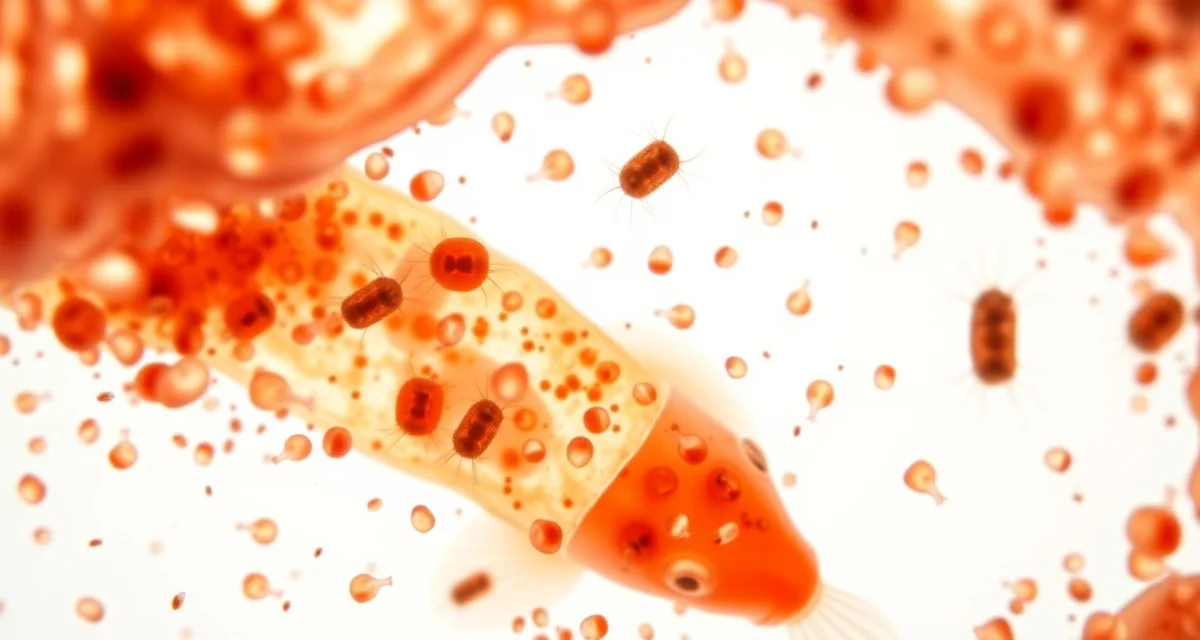
- Hexamita appear as pear-shaped organisms approximately 7-14 micrometers long with six anterior flagella and erratic, tumbling movement.
- Mix Metronidazole into food at approximately 10mg per gram of food (1% concentration).
- Feed medicated food exclusively for 5-7 days.
- Mix Metronidazole into food at approximately 1% concentration (10mg per gram of food) and feed exclusively for 5-7 days.
- Bath treatments using 5-10 mg/L for 48-72 hours are an alternative when the fish isn't eating, though oral delivery is more effective for intestinal parasites.
- After completing treatment, a rest period of 3-5 days before assessing response is appropriate - some fish begin feeding more normally within 3-5 days of starting treatment.
- Significant condition recovery (visible weight gain, improved appetite and energy) may take 4-8 weeks after parasite clearance, as the fish needs to rebuild tissue lost during the infection period.
What Hexamita Is
Hexamita is a genus of hexaflagellate protozoa - single-celled organisms with six flagella used for movement. In fish, Hexamita salmonis and related species cause internal flagellate infection, primarily affecting the intestinal tract and associated organs. The "hole-in-head" disease commonly associated with cichlids (Hexamita causing lesions on the head) is less characteristic in koi, though similar presentations can occur.
Hexamita organisms infect the intestinal lining, causing chronic inflammation, malabsorption, and progressive wasting. In severe cases, organisms can spread to other organs through the mesenteric vessels.
The parasite is transmitted fecal-orally - through ingestion of infected feces, contaminated water, or infected live or frozen food organisms.
Recognizing Hexamita Infection
The chronic nature of Hexamita infection means symptoms develop slowly and are initially nonspecific:
Early signs:
- Gradual reduction in appetite - fish that were eager feeders become less responsive
- Subtle lethargy - slightly less active than normal, spending more time in one area
- Very gradual weight loss that's easy to miss without regular weight monitoring
Intermediate signs:
- Visible weight loss - fish appears thinner than previously, particularly in the dorsal-to-ventral depth
- Abnormal feces: white, stringy, or mucoid feces are associated with intestinal protozoal disease
- Dark coloration: increased melanization (darkening) of the skin is reported in some internal parasite cases
- Continued reduction in feeding response
Advanced signs:
- Significant muscle wasting - sunken dorsal musculature visible on a previously healthy fish
- Lethargy progressing to near-complete inactivity
- Secondary bacterial infections affecting the immune-compromised fish
- Potential head pitting or lesions in severe cases
The diagnostic challenge: Any of these symptoms can be caused by many other conditions. A thin, lethargic koi might have internal parasites, bacterial disease, KHV, or nutritional deficiency. KoiQuanta's weight monitoring log creates the trend data that distinguishes gradual wasting from acute weight loss.
Diagnosing Hexamita
Definitive diagnosis requires:
Fecal examination: Fresh feces from the suspected fish, examined under microscopy, may reveal Hexamita organisms. This requires fresh samples (the organisms die quickly) and some microscopy experience. Hexamita appear as pear-shaped organisms approximately 7-14 micrometers long with six anterior flagella and erratic, tumbling movement.
Post-mortem examination: Intestinal contents and smears from a deceased fish provide the most reliable diagnostic sample.
Therapeutic trial: Given the difficulty of in-pond diagnosis, a therapeutic trial with Metronidazole in a fish showing consistent internal parasite symptoms is sometimes the practical approach. Response to treatment confirms the diagnosis retrospectively.
Veterinary consultation: A vet with aquatic medicine experience who can examine the fish, review your KoiQuanta health history, and potentially collect diagnostic samples provides the most reliable diagnosis.
Treatment Protocol
Metronidazole is the primary treatment for Hexamita in koi. It's an antiprotozoal drug specifically effective against flagellate protozoa. Available as a pure compound from aquatic suppliers or in some commercial fish medications.
Food-based administration (preferred): Metronidazole is most effective when delivered directly to the intestinal tract, which requires oral administration via medicated food. Mix Metronidazole into food at approximately 10mg per gram of food (1% concentration). Gel-based food preparations hold the medication well without leaching into water. Feed medicated food exclusively for 5-7 days.
Bath treatment: Metronidazole can be used as a bath treatment (5-10 mg/L for 48-72 hours), though intestinal absorption via bath is lower than oral dosing. This is the fallback when a fish won't eat.
Treatment duration: 5-7 day courses of medicated food are typical, with a rest period of 3-5 days before a second course if initial response is partial. KoiQuanta's internal parasite treatment tracker manages the dosing schedule and course completion.
Concurrent supportive care:
- Excellent water quality reduces secondary bacterial infection risk
- Isolation in a hospital tank provides a controlled treatment environment
- High-quality, highly digestible food alongside medicated food after the treatment course to rebuild condition
Do not use in ponds with UV sterilization running - UV degrades Metronidazole in the water before it can act. Switch off UV during bath treatments.
Prevention
Clean food sources: Avoid feeding koi with unsterilized live or frozen food organisms from unknown sources. Tubifex worms, some live brine shrimp, and similar live foods can carry Hexamita.
Quarantine: Standard quarantine for all new fish prevents introduction of Hexamita-positive fish to your display pond.
Good water quality: Immunocompromised fish are more susceptible. Maintaining excellent water quality supports immune function and reduces Hexamita's ability to establish.
Your koi disease identification guide provides the differential diagnosis context. The parasitic infection tracker in KoiQuanta supports monitoring of treatment response.
Frequently Asked Questions
How do I diagnose Hexamita in koi?
Definitive diagnosis requires microscopic examination of fresh feces or intestinal contents for Hexamita organisms - pear-shaped flagellates with characteristic tumbling movement. This requires a microscope and some experience to identify. Practically, diagnosis is often based on a combination of consistent symptoms (gradual weight loss, abnormal feces, lethargy despite good water quality), ruling out other causes through water quality testing and external examination, and positive response to Metronidazole treatment. Veterinary consultation with the opportunity to collect fresh fecal samples provides the most reliable diagnosis. KoiQuanta's weight monitoring trend will show the characteristic gradual decline pattern.
What medication treats Hexamita in koi?
Metronidazole is the primary treatment for Hexamita infection in koi. It's specifically effective against flagellate protozoa. Delivery via medicated food is preferred because it delivers the drug directly to the intestinal tract where Hexamita lives. Mix Metronidazole into food at approximately 1% concentration (10mg per gram of food) and feed exclusively for 5-7 days. Bath treatments using 5-10 mg/L for 48-72 hours are an alternative when the fish isn't eating, though oral delivery is more effective for intestinal parasites. Switch off UV sterilization during any Metronidazole bath treatment, as UV degrades the drug.
How long does Hexamita treatment take in koi?
A standard Metronidazole course runs 5-7 days of medicated food. After completing treatment, a rest period of 3-5 days before assessing response is appropriate - some fish begin feeding more normally within 3-5 days of starting treatment. Significant condition recovery (visible weight gain, improved appetite and energy) may take 4-8 weeks after parasite clearance, as the fish needs to rebuild tissue lost during the infection period. A second 5-7 day course is recommended if initial response is partial. KoiQuanta's treatment tracker maintains the schedule and documents response over the full recovery period.
What is Hexamita Infection in Koi: Internal Parasite Management?
[FAQ_ANSWER_PLACEHOLDER: This answer needs to be generated by AI with specific data, examples, and actionable advice relevant to Hexamita Infection in Koi: Internal Parasite Management. Target 50-150 words.]
How much does Hexamita Infection in Koi: Internal Parasite Management cost?
[FAQ_ANSWER_PLACEHOLDER: This answer needs to be generated by AI with specific data, examples, and actionable advice relevant to Hexamita Infection in Koi: Internal Parasite Management. Target 50-150 words.]
How does Hexamita Infection in Koi: Internal Parasite Management work?
[FAQ_ANSWER_PLACEHOLDER: This answer needs to be generated by AI with specific data, examples, and actionable advice relevant to Hexamita Infection in Koi: Internal Parasite Management. Target 50-150 words.]
What are the benefits of Hexamita Infection in Koi: Internal Parasite Management?
[FAQ_ANSWER_PLACEHOLDER: This answer needs to be generated by AI with specific data, examples, and actionable advice relevant to Hexamita Infection in Koi: Internal Parasite Management. Target 50-150 words.]
Who needs Hexamita Infection in Koi: Internal Parasite Management?
[FAQ_ANSWER_PLACEHOLDER: This answer needs to be generated by AI with specific data, examples, and actionable advice relevant to Hexamita Infection in Koi: Internal Parasite Management. Target 50-150 words.]
How long does Hexamita Infection in Koi: Internal Parasite Management take?
[FAQ_ANSWER_PLACEHOLDER: This answer needs to be generated by AI with specific data, examples, and actionable advice relevant to Hexamita Infection in Koi: Internal Parasite Management. Target 50-150 words.]
What should I look for when choosing Hexamita Infection in Koi: Internal Parasite Management?
[FAQ_ANSWER_PLACEHOLDER: This answer needs to be generated by AI with specific data, examples, and actionable advice relevant to Hexamita Infection in Koi: Internal Parasite Management. Target 50-150 words.]
Is Hexamita Infection in Koi: Internal Parasite Management worth it?
[FAQ_ANSWER_PLACEHOLDER: This answer needs to be generated by AI with specific data, examples, and actionable advice relevant to Hexamita Infection in Koi: Internal Parasite Management. Target 50-150 words.]
Related Articles
- Koi Bacterial Infection Prevention: Water Quality and Stress Management
- Koi Dealer Software for North Carolina: Disease Management and Compliance
Sources
- Associated Koi Clubs of America (AKCA)
- Koi Organisation International (KOI)
- University of Florida IFAS Extension Aquaculture Program
- Fish Vet Group
- Water Quality Association