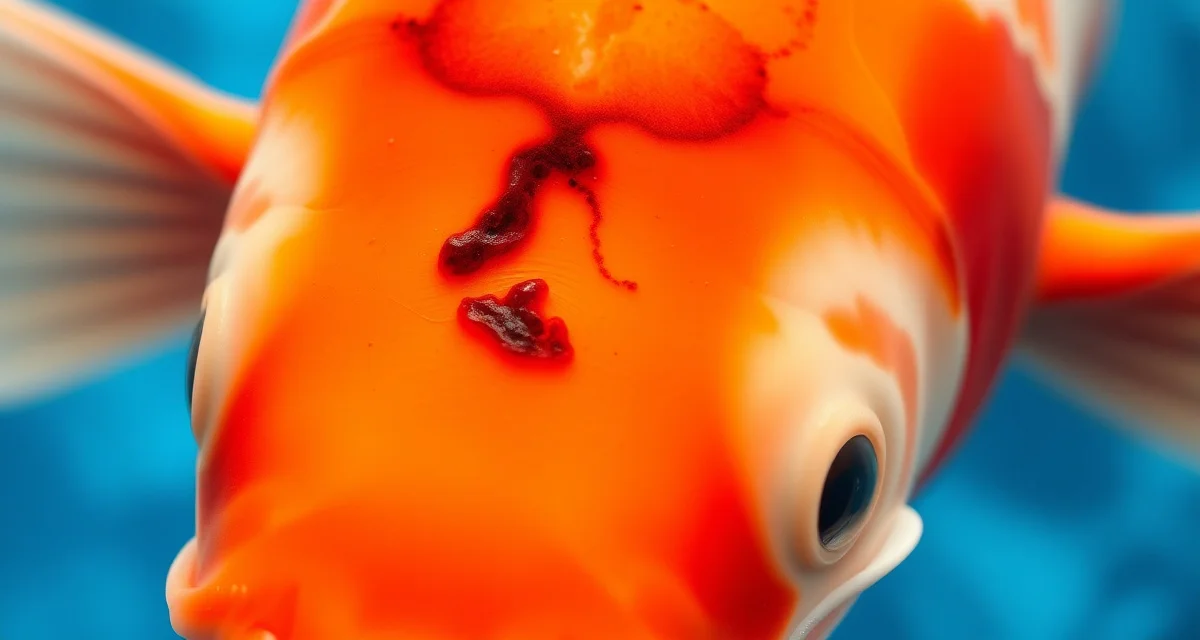
Branchiomycosis Gill Rot in Koi: Recognition and Emergency Treatment
Branchiomycosis can cause 50-100% pond-after-pond-treatment) mortality within 2-5 days of first symptoms appearing during warm, high-organic-load summer conditions. This is not an exaggeration for effect - it's a documented outcome for Branchiomycosis outbreaks in unprepared facilities. The disease progresses faster than most koi keepers expect, and by the time multiple fish are visibly affected, many more are likely in the early stages.
KoiQuanta's Branchiomycosis emergency response protocol guides immediate pond disinfection, fish isolation, and treatment steps for this rapidly fatal condition.
TL;DR
- Perform a 30-40% water change to reduce the nutrient base supporting fungal growth.
- Fish with more than 50% of gill tissue involved typically do not recover.
- Fish with early-stage disease and less than 50% gill involvement may recover.
- Allow the pond to dry completely for at least 1 week.
- Disinfect all equipment, nets, and containers that contacted the pond water with 1% bleach solution.
What Branchiomycosis Is
Branchiomycosis (gill rot) is caused by two related fungal pathogens: Branchiomyces sanguinis and Branchiomyces demigrans. These water molds infect the gill tissue, growing within the blood vessels of the gill filaments and gill lamellae. As the fungal hyphae proliferate, they block blood circulation within the gill, causing ischemic necrosis - the tissue dies from lack of blood supply.
The necrotic areas appear as pale, mottled, or marbled patches on the gill tissue - the gill that should be uniformly red-pink becomes patchy gray-white.
Why it's warm-weather specific: Branchiomyces thrives at temperatures above 18°C and grows fastest above 25°C. High organic load provides the nutrient base the fungus needs for rapid proliferation. This combination - summer heat plus elevated organic load - is the perfect Branchiomycosis culture medium.
Recognizing Branchiomycosis
Speed of recognition is everything with Branchiomycosis.
Fish behavior:
- Increased respiratory rate and gill cover movement
- Surface activity and hanging near aeration sources - the classic oxygen-deprivation behavior
- Rapid progression from apparently normal to severe respiratory distress within hours
- Fish may be seen "gasping" at the surface where oxygen is highest
- Lethargy as the disease progresses
Physical examination:
- Gill covers may be held open or moved asymmetrically
- Gently lifting the gill cover reveals mottled, marbled, or patchy gill tissue - gray-white areas where tissue is necrotic alternating with remaining pink areas
- Affected areas have irregular, geographic boundaries
- Severe cases: gill tissue may be visibly fragmented or crumbling
Other signs:
- Fish rubbing head against surfaces (indicating gill discomfort)
- Sudden death without obvious external lesions - these fish often have completely destroyed gill tissue
Distinguishing from other gill diseases:
- Bacterial gill disease: diffuse gill swelling and excess mucus
- Gill flukes: patchy damage but organisms visible on scrape
- Chlorine damage: history of chemical exposure, sudden onset
- Branchiomycosis: geographic mottling specific to fungal vascular occlusion
Emergency Response Protocol
When Branchiomycosis is suspected, response must be immediate.
Step 1: Emergency isolation.
Remove visibly affected fish to a hospital tank immediately. Do not wait for laboratory confirmation - the delay cost is measured in fish lives. The hospital tank should have maximized aeration and matched water temperature.
Step 2: Pond disinfection (display pond).
KoiQuanta's emergency protocol includes pond disinfection as a critical step. Options include:
- Potassium permanganate at 2-5 mg/L for 12-24 hours (with careful DO monitoring)
- Copper sulfate at 0.5 ppm for 24-48 hours
- Strong salt treatment at 0.5-0.7% for several days
These treatments target the free-floating fungal spores in the water and on surfaces, reducing the inoculum that remaining fish are exposed to.
Step 3: Maximize aeration.
Gill-damaged fish have severely compromised respiratory function. Maximum aeration is not just supportive - it may be the difference between survival and death for fish with moderate gill damage.
Step 4: Reduce organic load immediately.
Stop feeding. Perform a 30-40% water change to reduce the nutrient base supporting fungal growth. Clean any obvious organic debris. These measures directly reduce the conditions favoring fungal proliferation.
Treatment Options
There is no specific, highly effective pharmacological treatment for Branchiomycosis in koi. Management is primarily supportive and environmental:
Malachite green at low concentrations has antifungal activity and can help slow Branchiomycosis progression when applied as a bath treatment. Usage regulations vary by jurisdiction.
Formalin similarly has some antifungal activity and has been used in combination with malachite green.
Potassium permanganate baths have both oxidative antifungal effect and kill secondary bacterial infections that commonly follow gill necrosis.
Copper sulfate at therapeutic doses has antifungal properties.
The prognosis for fish with severe Branchiomycosis is poor regardless of treatment. Fish with more than 50% of gill tissue involved typically do not recover. Fish with early-stage disease caught before extensive necrosis may survive with appropriate care.
Post-Outbreak Pond Disinfection
After a Branchiomycosis outbreak, decontamination of the pond environment is important:
- Complete drain-down and scrubbing of all pond surfaces if possible
- Disinfection of all equipment with bleach or Virkon
- Extended lime treatment of drained pond walls and bottom
- Refill with fresh water after appropriate drying period
Without environmental decontamination, surviving Branchiomyces spores can seed future outbreaks when conditions return to favorable.
Your gill disease management guide covers the broader range of gill conditions. The koi disease identification guide supports differential diagnosis of the respiratory distress presentation.
Frequently Asked Questions
How do I recognize Branchiomycosis in koi?
Branchiomycosis presents as rapid respiratory distress - fish gathering at surface near aeration, fast gill movement, lethargy - combined with visible gill tissue mottling when gill covers are examined. The mottled appearance (gray-white necrotic patches alternating with remaining pink areas, with geographic irregular boundaries) is characteristic. The disease typically appears during warm summer conditions with elevated organic load. Speed of progression distinguishes it from most other gill diseases - fish that appeared normal in the morning may be in severe respiratory distress by evening. Any sudden respiratory distress event in summer warrants immediate gill examination.
Is Branchiomycosis treatable in koi?
The prognosis is guarded to poor depending on the extent of gill involvement by the time treatment is initiated. There is no highly specific antifungal treatment available for koi. Management combines isolation of affected fish, maximal aeration support, pond disinfection with potassium permanganate or copper sulfate, organic load reduction through water changes and feeding cessation, and supportive treatments like malachite green with some antifungal activity. Fish with early-stage disease and less than 50% gill involvement may recover. Fish with advanced necrosis covering the majority of gill tissue rarely survive. Early recognition is the primary determinant of outcome.
How do I disinfect my koi pond after a Branchiomycosis outbreak?
Drain the pond completely where possible. Scrub all surfaces to remove organic matter and biofilm. Apply a lime treatment (calcium hydroxide) to drained pond surfaces - the high pH kills Branchiomyces spores. Allow the pond to dry completely for at least 1 week. Disinfect all equipment, nets, and containers that contacted the pond water with 1% bleach solution. Refill with fresh water, establish biological filtration, and maintain very low stocking density and organic load during the recovery period. Ensure water quality is excellent before restocking to prevent recurrence.
What is Branchiomycosis Gill Rot in Koi: Recognition and Emergency Treatment?
Branchiomycosis gill rot is a rapidly fatal fungal infection in koi caused by Branchiomyces sanguinis and Branchiomyces demigrans. These water molds invade gill blood vessels, cutting off oxygen supply to tissue and causing necrosis. It thrives in warm water with high organic loads, typically striking in summer. Without intervention, it can kill 50–100% of a pond's fish within 2–5 days of first symptoms appearing. Early recognition is critical, as the disease spreads faster than most hobbyists anticipate.
How much does Branchiomycosis Gill Rot in Koi: Recognition and Emergency Treatment cost?
There is no single product cost for treating Branchiomycosis — expenses vary based on pond size, fish numbers, and chosen treatments. Expect costs for antifungal medications such as malachite green or potassium permanganate, water testing kits, salt, and potentially veterinary consultation. A complete pond disinfection and dry-out protocol adds labor and downtime. Investing in preventive measures — regular water changes, organic load management, and a quarantine setup — is far cheaper than managing a full outbreak that can wipe out an entire collection.
How does Branchiomycosis Gill Rot in Koi: Recognition and Emergency Treatment work?
Treatment works by removing the conditions that fuel fungal growth and directly targeting infected fish. A 30–40% water change reduces the organic nutrient base Branchiomyces relies on. Affected fish are isolated, and antifungal treatments are applied. Fish with less than 50% gill tissue involvement may recover; those beyond that threshold typically do not. The pond is then drained, dried for at least one week, and all equipment disinfected with a 1% bleach solution before restocking to prevent reinfection.
What are the benefits of Branchiomycosis Gill Rot in Koi: Recognition and Emergency Treatment?
Acting quickly on a Branchiomycosis outbreak limits mortality, protects healthy fish, and prevents the fungus from establishing a persistent reservoir in your pond substrate. Early intervention using isolation and targeted treatment gives fish with mild gill involvement a genuine chance at recovery. Following a structured emergency protocol also reduces the risk of reintroducing the pathogen after restocking. Beyond the immediate outbreak, understanding this disease helps keepers build better long-term management habits around water quality and organic load control.
Who needs Branchiomycosis Gill Rot in Koi: Recognition and Emergency Treatment?
Any koi keeper with a warm-water pond — particularly those maintaining higher fish densities or ponds with elevated organic matter — is at risk and should be prepared. Branchiomycosis is most dangerous for keepers who lack a quarantine system or don't monitor water parameters regularly during summer. Hobbyists who have experienced unexplained rapid fish losses in warm months, or those restocking after an outbreak, should treat this protocol as essential reading before the next warm season arrives.
How long does Branchiomycosis Gill Rot in Koi: Recognition and Emergency Treatment take?
The disease itself can kill fish within 2–5 days of visible symptoms appearing, making speed critical. Once an outbreak is confirmed, the emergency response — water change, isolation, and treatment initiation — should begin within hours, not days. Pond drying after an outbreak requires a minimum of one week for effective disinfection. Recovery of affected fish, if it occurs, typically takes days to weeks depending on gill damage severity and water quality maintenance throughout the recovery period.
What should I look for when choosing Branchiomycosis Gill Rot in Koi: Recognition and Emergency Treatment?
When addressing a Branchiomycosis situation, prioritize protocols backed by documented outcomes rather than anecdotal remedies. Look for guidance that specifies the extent of gill involvement as a recovery threshold (under 50% is the key benchmark), recommends proper pond drying time, and includes equipment disinfection steps. Ensure any antifungal treatment is dosed correctly for your water volume and temperature. Credible sources will also emphasize post-outbreak quarantine practices to prevent reintroduction of the pathogen with new fish.
Is Branchiomycosis Gill Rot in Koi: Recognition and Emergency Treatment worth it?
Yes — understanding and acting on Branchiomycosis is absolutely worth it. Given that an unmanaged outbreak can result in total pond loss within days, having a clear response plan is not optional for serious koi keepers. The time spent learning recognition cues, setting up a basic quarantine system, and following an emergency protocol can be the difference between losing a few fish and losing an entire collection. Prevention through water quality management and early detection is by far the most cost-effective and humane approach.
Related Articles
- Columnaris (Saddleback Disease) in Koi: Treatment Guide
- Antibiotic Resistance in Koi: Why Treatment Protocols Matter
Sources
- Associated Koi Clubs of America (AKCA)
- Koi Organisation International (KOI)
- University of Florida IFAS Extension Aquaculture Program
- Fish Vet Group
- Water Quality Association