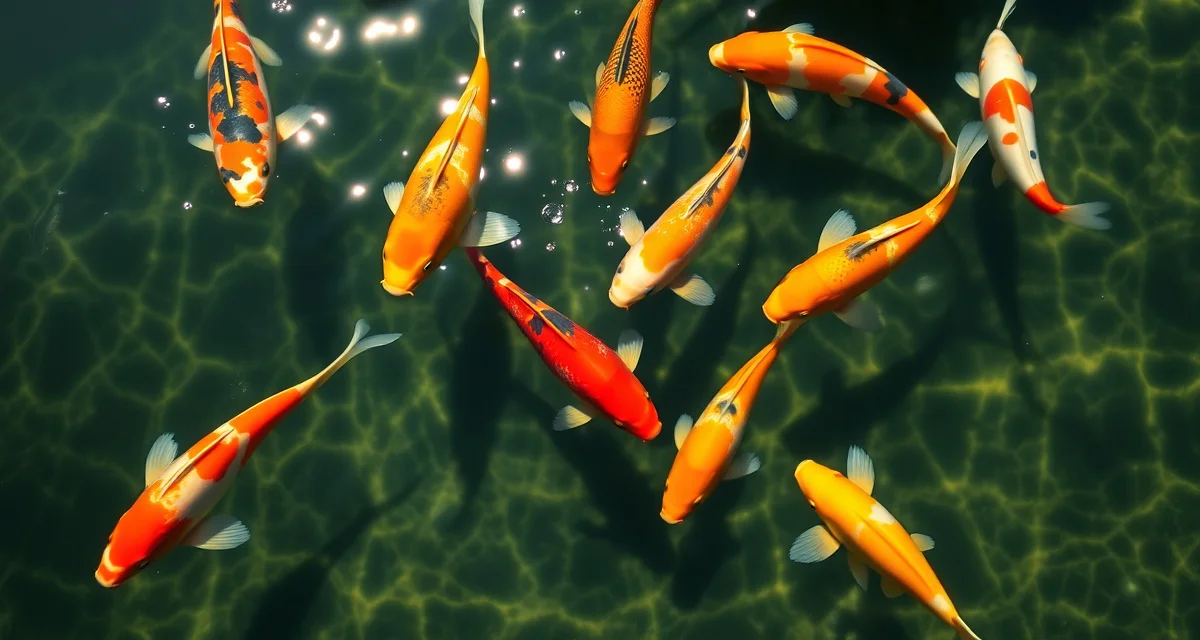
How to Support Your Koi's Immune System
Koi maintained at optimal water quality parameters have immune response rates 3 times faster than fish kept in chronically suboptimal conditions. That comparison tells you something important: the most powerful immune support tool available isn't a supplement or medication. It's the quality of the water your fish live in every single day.
Supporting koi immunity means managing three interconnected factors: water quality stability, nutritional completeness, and stress reduction. Without correlated data across all three, you can't accurately measure whether your immune support approach is actually working. KoiQuanta's immune health dashboard links water quality stability, feeding regularity, and disease event frequency to assess overall immune support effectiveness in one place.
TL;DR
- Koi immune function is directly suppressed by ammonia above 0.25 ppm, nitrite, low dissolved oxygen, and rapid temperature fluctuations.
- The adaptive immune response in koi is temperature-dependent; fish below 15 degrees Celsius have significantly reduced immune capacity.
- spring disease prevention outbreaks are common because pathogens become active above 10 degrees Celsius before fish immune systems have fully recovered from winter.
- Stress events including netting, handling, koi new fish stress, and spawning cause measurable immune suppression for several days afterward.
- Good nutrition supports immune function; malnourished fish are far more susceptible to opportunistic pathogens.
- Vitamin C and probiotics have some evidence of immune support in koi when incorporated into the diet at appropriate life stages.
Water Quality as Immune Foundation
Chronic low-grade stress from suboptimal water conditions constantly taxes the koi immune system. When ammonia sits above 0.25 ppm for days at a time, when pH swings 1-2 units daily, when dissolved oxygen drops below 6 mg/L in summer heat, the fish is directing metabolic resources toward coping with environmental stress rather than immune function.
Maintain these targets consistently:
- Ammonia: 0 ppm
- Nitrite: 0 ppm
- Nitrate: under 40 ppm
- pH: 7.2-8.0 with less than 0.5 unit daily swing
- Dissolved oxygen: 7-9 mg/L
- Temperature: 18-24°C for optimal immune function
Track these through the water temperature and fish health section and your water quality guide to understand how each parameter connects to health outcomes.
Nutritional Immune Support
Diet plays a direct role in immune function. The key nutritional drivers:
Vitamin C: Koi cannot synthesize it and deplete it rapidly during disease and stress. Choose pellets with stabilized vitamin C (ascorbyl polyphosphate holds up better than plain ascorbic acid).
Beta-glucan: A polysaccharide derived from yeast cell walls that activates macrophage immune response in fish. Look for pellets specifically formulated with it or add it as a supplement.
Spirulina: Provides phycocyanin, a natural anti-inflammatory, along with carotenoids that support both color and immune cell activity.
Omega-3 fatty acids: From fish oil sources, supporting cell membrane integrity and reducing inflammatory response to infection.
Temperature and Immune Function
Koi immune function is temperature-dependent. Below 10°C, the immune system slows considerably. Between 10-18°C, it's operating at reduced capacity. The sweet spot is 18-24°C. This is why spring, when fish emerge from winter with depleted immune reserves and rising temperatures bring pathogen activity, is the most dangerous disease period of the year.
Stress Reduction
Cortisol suppresses immune function in fish just as it does in mammals. Common stressors include: handling, poor water quality, stocking overcrowding, aggressive pond-mates, predator presence, sudden temperature changes, and transport. Minimize each where possible, and when unavoidable stress events occur (like adding new fish or doing pond maintenance), give your koi 2-3 days of excellent conditions and reduced feeding afterward to recover.
Frequently Asked Questions
What supplements support koi immune health?
The most evidence-backed supplements are stabilized vitamin C (look for ascorbyl polyphosphate), beta-glucan (yeast-derived immune stimulant), and spirulina (phycocyanin for anti-inflammatory activity). These can be given via fortified pellets or soaked into plain pellets using a liquid supplement. Probiotic additives are gaining traction, with some research showing improved disease resistance from Lactobacillus strains in ornamental fish. These supplements are supportive, not therapeutic. They help healthy fish stay healthy but won't substitute for water quality management or treatment of active disease.
Does water temperature affect koi immune function?
Yes, measurably. Koi have temperature-dependent immune systems, meaning their immune response speed and capacity scale with water temperature. Below 10°C, immune function is dramatically reduced, which is why spring disease outbreaks are so dangerous: pathogens become active faster than the koi immune system recovers from winter dormancy. At 18-24°C, immune function is near peak. Above 28-30°C, heat stress itself begins suppressing immunity again. Managing temperature deliberately, especially keeping quarantine tanks at 20-22°C, is a genuine immune support strategy.
How does stress weaken koi immunity?
When koi experience stress, they release cortisol, which at elevated levels suppresses lymphocyte activity and reduces antibody production. This is the same mechanism in most vertebrates: short-term stress mobilizes resources for immediate threat response, but at the cost of immune surveillance. In koi, common stressors include handling, transport, water quality fluctuations, aggressive tank-mates, and predator exposure. Chronic low-grade stress, such as mildly elevated ammonia or chronic overcrowding, is particularly damaging because cortisol is never given time to clear. Keep stress events brief, rare, and followed by recovery conditions.
How long does immune suppression last after a stressful event in koi?
Immune suppression from acute stress events like netting, handling, and transport typically persists for 3-7 days in healthy fish under good water conditions. Stress from poor water quality or chronic overcrowding creates ongoing suppression that does not resolve until conditions improve. This is why fish newly introduced to a quarantine tank are at elevated disease risk in the first two weeks: the combined stress of transport and adaptation suppresses immunity at the same time they are exposed to a new environment.
Does water temperature affect how quickly koi recover from disease?
Yes significantly. Adaptive immune responses, including antibody production, are faster and more at water temperatures above 18 degrees Celsius. Recovery from bacterial infections and treatment of parasites both proceed more quickly at optimal temperatures. This is why some hobbyists slightly raise water temperature during treatment events, provided the increase does not stress the fish or accelerate oxygen depletion in the case of formalin or PP treatment.
Can I boost my koi immune system with supplements?
There is reasonable evidence that vitamin C supplementation and probiotic-containing diets support immune function in koi. Vitamin C is an antioxidant that supports tissue repair; koi cannot synthesize it endogenously and require dietary sources. Avoid supplements marketed with exaggerated claims. The most reliable immune support remains excellent water quality, appropriate feeding, and avoiding unnecessary stress.
What is How to Support Your Koi's Immune System?
[FAQ_ANSWER_PLACEHOLDER: This answer needs to be generated by AI with specific data, examples, and actionable advice relevant to How to Support Your Koi's Immune System. Target 50-150 words.]
How much does How to Support Your Koi's Immune System cost?
[FAQ_ANSWER_PLACEHOLDER: This answer needs to be generated by AI with specific data, examples, and actionable advice relevant to How to Support Your Koi's Immune System. Target 50-150 words.]
How does How to Support Your Koi's Immune System work?
[FAQ_ANSWER_PLACEHOLDER: This answer needs to be generated by AI with specific data, examples, and actionable advice relevant to How to Support Your Koi's Immune System. Target 50-150 words.]
What are the benefits of How to Support Your Koi's Immune System?
[FAQ_ANSWER_PLACEHOLDER: This answer needs to be generated by AI with specific data, examples, and actionable advice relevant to How to Support Your Koi's Immune System. Target 50-150 words.]
Who needs How to Support Your Koi's Immune System?
[FAQ_ANSWER_PLACEHOLDER: This answer needs to be generated by AI with specific data, examples, and actionable advice relevant to How to Support Your Koi's Immune System. Target 50-150 words.]
Related Articles
Sources
- University of Florida IFAS Extension Aquaculture Program
- Fish Vet Group
- American Fisheries Society
- Koi Organisation International (KOI)
Get Started with KoiQuanta
Koi immune function reflects the cumulative history of water quality, stress events, and seasonal conditions your fish have experienced. KoiQuanta's parameter logs and health event tracking connect those dots so you can see the conditions preceding each disease event and understand what your fish's immune system is working against. Start building that record today.