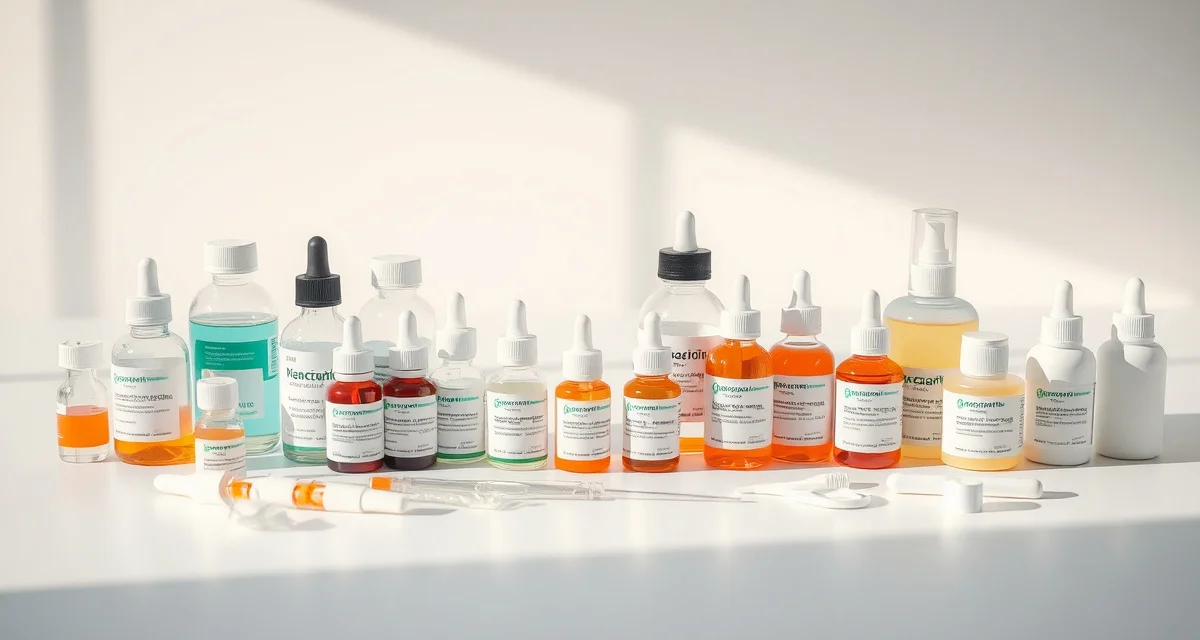
Koi Quarantine Medications: What to Have on Hand
The worst time to figure out what medication you need is when your fish are already sick.
I've made that mistake. A batch of nisai arrived from Marudo looking slightly off on day-best-medications) 3 - gill flaring, reduced appetite, one fish piping at the surface. I needed praziquantel and had none. The closest aquatic supplier was two hours away. By the time I had the treatment in the tank, two fish had died and a third was marginal.
Now I stock before fish arrive. The standard medication kit sits in a locked cabinet next to the quarantine room, fully inventoried, with expiry dates logged in KoiQuanta. This is the kit.
TL;DR
- A batch of nisai arrived from Marudo looking slightly off on day 3 - gill flaring, reduced appetite, one fish piping at the surface.
- Salt at 0.3% treats many protozoan parasites (Trichodina, Costia, some Ichthyophthirius).
- At 0.5%, it adds antibacterial action for mild bacterial skin conditions.
- Repeat course after 7–10 days to catch any eggs that hatched after the first treatment.
- A 300-gallon tank needs approximately 2.7 liters of PraziPro (at 5mg/L) or 1.1 grams of bulk praziquantel powder per treatment cycle.
- A little goes a long way - 1g per 1,000 gallons at 0.26 mg/L.
- Always have aeration at maximum and a bucket of hydrogen peroxide available as an emergency neutralizer (neutralizes KMnO4 immediately).
Core Quarantine Medications
Salt (Sodium Chloride - Non-Iodized)
What it treats: External parasites, osmoregulatory support, stress reduction, bacterial infection prevention. Salt at 0.3% treats many protozoan parasites (Trichodina, Costia, some Ichthyophthirius). At 0.5%, it adds antibacterial action for mild bacterial skin conditions.
Dose: 0.3% for parasite treatment = approximately 2.25 kg per 1,000 liters (25 lbs per 1,000 gallons). Build incrementally over 24–48 hours.
What to stock: 25 kg (55 lbs) minimum for a 300-gallon quarantine setup. Non-iodized only - iodine is toxic to koi. Pool salt or solar salt (non-iodized) works fine and is cheaper than aquarium salt.
Storage: Indefinitely if kept dry. Salt doesn't expire.
Notes: Salt doesn't treat monogenean flukes (Dactylogyrus, Gyrodactylus) at normal quarantine concentrations. Don't substitute salt for praziquantel in a fluke treatment.
Praziquantel (Prazi-Pro, Hikari PraziPro, or bulk powder)
What it treats: Monogenean flukes - both gill flukes (Dactylogyrus) and skin flukes (Gyrodactylus). The single most important antiparasitic in koi quarantine.
Dose: 2–5 mg/L for treatment duration of 5–7 days. Repeat course after 7–10 days to catch any eggs that hatched after the first treatment.
What to stock: Enough for at least two full treatment cycles per tank. A 300-gallon tank needs approximately 2.7 liters of PraziPro (at 5mg/L) or 1.1 grams of bulk praziquantel powder per treatment cycle.
Storage: 2 years unopened for liquid formulations. Keep away from light. Once opened, use within 12 months.
Notes: Praziquantel has a good safety margin - it's hard to overdose at normal therapeutic levels. It doesn't kill nitrifying bacteria. Safe for use with an active biofilter. A standard prophylactic praziquantel course on every new arrival is solid practice.
Potassium Permanganate (KMnO4)
What it treats: External parasites (flukes, Costia, Trichodina), bacterial biofilm on fish surface, Columnaris. Also used as a general sanitizing dip.
Dose: 2–4 mg/L as a pond treatment; 10 mg/L as a short bath (20–30 minutes with active observation). Highly variable by organic load - higher organic load requires higher dose to achieve the same effect.
What to stock: 100g for a small quarantine setup. A little goes a long way - 1g per 1,000 gallons at 0.26 mg/L.
Storage: 1–2 years in an airtight, dark container. Degrades with light and moisture.
WARNING: Potassium permanganate has a very narrow therapeutic window. Overdose is lethal - it causes severe gill damage and oxygen depletion. Never dose without a calibrated dose calculation. Always have aeration at maximum and a bucket of hydrogen peroxide available as an emergency neutralizer (neutralizes KMnO4 immediately). Don't use in tanks with high organic load without pre-treating the water.
Formalin (37% Formaldehyde Solution)
What it treats: Monogenean flukes, protozoan parasites (Ich, Costia, Trichodina), gill flukes. One of the most effective parasite treatments available.
Dose: 15–25 mg/L (15–25 mL of 37% solution per 1,000 liters) for prolonged bath. 1-hour dip at 100–150 mg/L for short bath treatment.
What to stock: 500 mL – 1 L. Store in a cool, dark place. Keeps 1–2 years if stored properly; watch for white precipitate (paraformaldehyde) - discard if it appears, as paraformaldehyde is highly toxic.
Storage: Cool, dark location. Never freeze. Check regularly for white precipitation.
WARNING: Formalin severely depletes dissolved oxygen. Never use without maximum aeration. Reduce dose by 25–50% in warm water (above 70°F/21°C). Have a contingency for DO crashes - a battery-powered air pump or immediate access to a water change source. Formalin is also a suspected carcinogen - use gloves and eye protection.
Antibiotic Options
Prescription antibiotics for koi vary by country. In the US, the main options for serious bacterial infections are:
Oxytetracycline (Terramycin® Aquatic): Broad-spectrum bacteriostatic antibiotic. Effective against Aeromonas, Pseudomonas, Columnaris. Dose: 10–20 mg/L for bath treatment, or medicated feed. 10-day minimum course. Kills biofilter bacteria - remove biofilter media or plan for ammonia management.
Enrofloxacin (Baytril®): Prescription fluoroquinolone with excellent Aeromonas and Pseudomonas coverage. Increasingly considered for Columnaris-resistant cases. Requires veterinary prescription in the US. Injectable or bath formulations.
Erythromycin: Effective against Columnaris specifically. Gram-positive coverage. Less useful for Aeromonas (gram-negative).
What to stock: For serious operations, having an established relationship with an aquatic or exotic animal veterinarian who can prescribe injectable or feed-based antibiotics is more valuable than stocking them yourself. Injectable antibiotics require technique and proper storage. Most keepers should have Terramycin available for topical wound care and arrange veterinary access for anything systemic.
Hydrogen Peroxide (3% Pharmaceutical Grade)
What it treats: Emergency neutralizer for KMnO4 overdose. Also used as a direct topical wound treatment (antiseptic for ulcers and bacterial lesions - apply with a cotton swab directly to wound tissue out of water).
What to stock: 500 mL minimum. Inexpensive and available at any pharmacy.
Storage: 1 year. Degrades with light - keep in the original brown bottle.
Metronidazole (Optional)
What it treats: Hexamita (internal parasites), some protozoan infections. Useful if you're seeing emaciation, spinal curvature, or failure to thrive without obvious external cause.
Dose: 25 mg/L bath or medicated feed at 5g/kg.
Storage: 2–3 years powder form.
Medications You Don't Need Immediately
Don't stock these before you have experience with the core kit:
- Chloramine-T (useful but narrow therapeutic window - experience required)
- Acriflavine (largely supplanted by better options)
- Malachite green (restricted in many jurisdictions for food fish)
Expiry Date Management
Medications go off. Liquid praziquantel formulations lose potency after the manufacturer's expiry date. Formalin develops toxic paraformaldehyde precipitate if stored too long or incorrectly. Oxytetracycline degrades and can become nephrotoxic past expiry.
Log every medication in KoiQuanta with the purchase date and expiry date. Review the inventory quarterly. Rotate stock - use the older product on minor prophylactic treatments and restock fresh for your primary quarantine kit.
Related Articles
- Koi Quarantine Checklist: Equipment, Medications, and Protocol
- Koi Pond Salt vs. Medications: When to Use Each
- Bacterial Quarantine Protocol for Koi
FAQ
What medications do I need for koi quarantine?
The core kit for any koi quarantine setup: non-iodized salt (25+ lbs), praziquantel (PraziPro or equivalent), potassium permanganate (100g), formalin (500 mL of 37% solution), hydrogen peroxide (3% pharmaceutical grade), and either oxytetracycline or access to a veterinarian who can prescribe antibiotics. This covers the vast majority of quarantine treatment scenarios.
How do I store koi medications properly?
Salt requires only dry storage - it lasts indefinitely. Praziquantel and formalin need cool, dark, sealed containers - keep them away from light and heat and use within 12–24 months of opening. Potassium permanganate should be stored in an airtight container away from moisture and light. Hydrogen peroxide keeps in the original brown bottle for about a year. Log expiry dates when you stock and review quarterly.
Are prescription medications needed for koi treatment?
For serious bacterial infections in the US, yes - effective systemic antibiotics like enrofloxacin require a veterinary prescription. Over-the-counter options (oxytetracycline, erythromycin) are available but have limitations. For the primary quarantine toolkit - salt, praziquantel, formalin, potassium permanganate - no prescription is required. Building a relationship with an aquatic veterinarian before you have a crisis is strongly recommended for serious operations.
What is Koi Quarantine Medications: What to Have on Hand?
[FAQ_ANSWER_PLACEHOLDER: This answer needs to be generated by AI with specific data, examples, and actionable advice relevant to Koi Quarantine Medications: What to Have on Hand. Target 50-150 words.]
How much does Koi Quarantine Medications: What to Have on Hand cost?
[FAQ_ANSWER_PLACEHOLDER: This answer needs to be generated by AI with specific data, examples, and actionable advice relevant to Koi Quarantine Medications: What to Have on Hand. Target 50-150 words.]
How does Koi Quarantine Medications: What to Have on Hand work?
[FAQ_ANSWER_PLACEHOLDER: This answer needs to be generated by AI with specific data, examples, and actionable advice relevant to Koi Quarantine Medications: What to Have on Hand. Target 50-150 words.]
What are the benefits of Koi Quarantine Medications: What to Have on Hand?
[FAQ_ANSWER_PLACEHOLDER: This answer needs to be generated by AI with specific data, examples, and actionable advice relevant to Koi Quarantine Medications: What to Have on Hand. Target 50-150 words.]
Who needs Koi Quarantine Medications: What to Have on Hand?
[FAQ_ANSWER_PLACEHOLDER: This answer needs to be generated by AI with specific data, examples, and actionable advice relevant to Koi Quarantine Medications: What to Have on Hand. Target 50-150 words.]
Sources
- Associated Koi Clubs of America (AKCA)
- Koi Organisation International (KOI)
- University of Florida IFAS Extension Aquaculture Program
- Fish Vet Group
- Water Quality Association