Do You Really Need to Quarantine New Koi?
Fish from even reputable dealers introduce disease to established ponds at meaningful rates. This is a documented fact rather than a worst-case scenario. The specific rate depends on the source, the disease being considered, the time of year, and the health status of the receiving pond. The rate is never zero, even for fish from the best dealers in the world.
Every experienced koi keeper who has ever skipped quarantine and been burned will tell you the same thing: they thought their situation was the exception. It wasn't.
TL;DR
- Many diseases will express symptoms within a 21-30 day observation window that a pre-sale health check would have missed.
- Recommended Quarantine Minimum viable quarantine: 21 days, observation only, salt at 0.3%, daily behavioral and visual health checks logged in KoiQuanta.
- A 30-day quarantine period with basic equipment eliminates that risk almost entirely.
- Early detection based on parameter trends reduces treatment costs and fish stress.
- Seasonal changes require adjusted monitoring schedules; automated reminders help maintain consistency.
The Case Against Skipping Quarantine
Let's address the rationalizations directly, because they're all familiar.
"I'm buying from a reputable dealer."
Reputable dealers run structured quarantine programs and source from high-quality farms. This reduces disease risk significantly. It does not eliminate it. The reason reputable dealers run quarantine programs is precisely because they know responsible sourcing doesn't guarantee disease-free fish. If your dealer guarantees healthy fish but doesn't run a documented quarantine protocol, you should question that guarantee.
"The fish look healthy."
This is the most dangerous rationalization. Most koi pathogens have subclinical periods during which infected fish appear completely normal. Koi Herpesvirus, for example, may incubate for weeks before producing visible symptoms. Fish carrying Ichthyophthirius (white spot) may not show spots until their immune system is stressed by the new environment. The fish looked healthy in the dealer's tank; the disease was there anyway.
"The fish were expensive."
High-value fish aren't immune to disease. They're just more expensive to lose to it. The financial logic runs the other direction: the more valuable the fish, the more important it is to protect your existing collection from the risk that individual fish represents.
"My pond is already established and healthy."
An established, healthy pond full of disease-naive fish is exactly the wrong place to introduce a potential carrier. Your existing fish have no immunity to whatever might be coming in with a new addition. A single carrier fish in a pond full of naive koi can trigger a catastrophic outbreak.
"Quarantine is expensive and complicated."
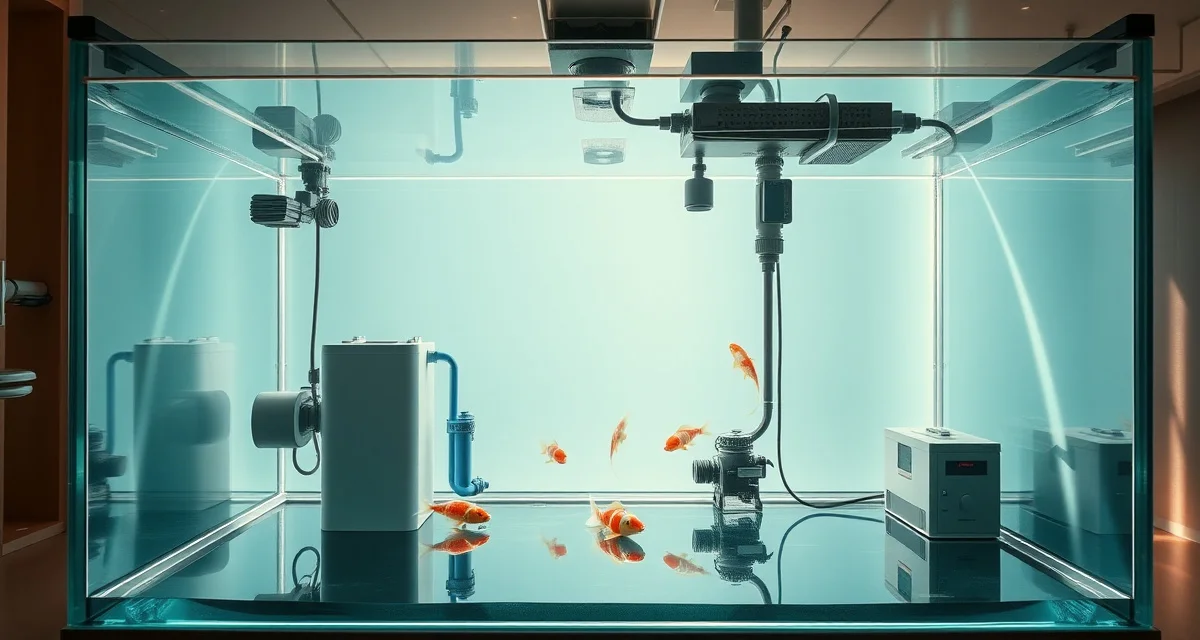
A basic quarantine setup (a stock tank, a sponge filter, a heater, and an air pump) costs $200-400 total. This is your insurance policy against losing fish worth ten to a hundred times that amount.
What Quarantine Actually Accomplishes
A properly run quarantine period serves three distinct functions:
Detection. The quarantine period is observation time. You're watching for disease signs that weren't visible at purchase. Many diseases will express symptoms within a 21-30 day observation window that a pre-sale health check would have missed. This includes parasites with complex life cycles, bacterial infections that emerge when the fish is stressed by transport, and viral diseases with latent phases.
Decontamination. Prophylactic treatments during quarantine (typically salt for osmoregulation support and a course of Praziquantel for fluke elimination) clear many of the pathogens most likely to be present on new fish before they reach your display pond.
Stabilization. New fish are stressed by transport, acclimation, and environmental change. The quarantine period allows their immune systems to recover and their stress response to normalize before they face the additional challenge of social dynamics in your display pond.
The Real Risk Is Your Existing Collection
People who skip quarantine usually think about the risk to the new fish. The real risk is to the fish already in your pond.
Your existing collection represents years of investment, emotional attachment, and biological establishment. A single disease introduction can move through an established pond faster than you can respond to it. Koi Herpesvirus has killed entire collections in days. Flukes in a naive pond can progress to gill damage serious enough to cause mass mortality within weeks.
The quarantine period is not primarily about the new fish. It's about protecting everything you already have.
Minimum vs. Recommended Quarantine
Minimum viable quarantine: 21 days, observation only, salt at 0.3%, daily behavioral and visual health checks logged in KoiQuanta.
Recommended quarantine: 30-35 days, with prophylactic Praziquantel treatment for flukes at day 3 (and again at day 17-21 depending on water temperature), salt for osmoregulation, daily parameter logging, and completion of a written health observation record.
High-risk scenarios (imported fish, fish from unknown sources, fish purchased at auction or trade events) warrant extended quarantine of 45-60 days with more aggressive prophylactic protocols.
How KoiQuanta Makes Quarantine Manageable
The reason many hobbyists cite for skipping quarantine is that it feels complicated and hard to manage alongside regular pond maintenance. KoiQuanta's quarantine system addresses this directly.
The new koi quarantine protocol walks you through every step from fish arrival through discharge criteria. The dealer quarantine standards page explains what professional operations do differently and why. Structured digital quarantine makes the process trackable, reminds you of treatment dates, and produces documentation you can use for insurance and resale purposes.
Frequently Asked Questions
Can I skip quarantine for koi from a reputable dealer?
No. A reputable dealer significantly reduces the probability of disease introduction, but does not eliminate it. The point of dealer reputation is that it tells you about their management standards, not that their fish are guaranteed pathogen-free. Even the best-managed dealers receive fish from farms, process imports, and handle large numbers of fish. All of these circumstances create disease exposure opportunities regardless of best practices. If a dealer suggests their fish don't need quarantine, that confidence should increase rather than decrease your caution.
What is the risk of skipping koi quarantine?
The risk varies by disease and circumstances, but includes: introduction of Koi Herpesvirus to a naive population (often 80-100% mortality without intervention); introduction of flukes that multiply rapidly in a naive pond; introduction of Aeromonas or other bacterial pathogens that trigger ulcer disease in established fish; and introduction of Ich that spreads rapidly through an unimmune display pond population. Any one of these scenarios represents a potential loss of your entire collection. A 30-day quarantine period with basic equipment eliminates that risk almost entirely.
Has anyone ever lost fish from skipping quarantine?
Losing fish after skipping quarantine is extremely common in the koi hobby. Koi community forums contain thousands of accounts from hobbyists who skipped quarantine, experienced a disease outbreak in their display pond, and lost fish. Some lost entire collections. The pattern is consistent: a new fish that appeared healthy introduced disease, the disease spread through the established population, and by the time visible symptoms appeared it was too late to prevent significant losses. Quarantine compliance is the single most consistently cited differentiator between hobbyists who rarely lose fish to disease and those who experience repeated outbreaks.
What is Do You Really Need to Quarantine New Koi??
[FAQ_ANSWER_PLACEHOLDER: This answer needs to be generated by AI with specific data, examples, and actionable advice relevant to Do You Really Need to Quarantine New Koi?. Target 50-150 words.]
How much does Do You Really Need to Quarantine New Koi? cost?
[FAQ_ANSWER_PLACEHOLDER: This answer needs to be generated by AI with specific data, examples, and actionable advice relevant to Do You Really Need to Quarantine New Koi?. Target 50-150 words.]
How does Do You Really Need to Quarantine New Koi? work?
[FAQ_ANSWER_PLACEHOLDER: This answer needs to be generated by AI with specific data, examples, and actionable advice relevant to Do You Really Need to Quarantine New Koi?. Target 50-150 words.]
What are the benefits of Do You Really Need to Quarantine New Koi??
[FAQ_ANSWER_PLACEHOLDER: This answer needs to be generated by AI with specific data, examples, and actionable advice relevant to Do You Really Need to Quarantine New Koi?. Target 50-150 words.]
Who needs Do You Really Need to Quarantine New Koi??
[FAQ_ANSWER_PLACEHOLDER: This answer needs to be generated by AI with specific data, examples, and actionable advice relevant to Do You Really Need to Quarantine New Koi?. Target 50-150 words.]
How long does Do You Really Need to Quarantine New Koi? take?
[FAQ_ANSWER_PLACEHOLDER: This answer needs to be generated by AI with specific data, examples, and actionable advice relevant to Do You Really Need to Quarantine New Koi?. Target 50-150 words.]
What should I look for when choosing Do You Really Need to Quarantine New Koi??
[FAQ_ANSWER_PLACEHOLDER: This answer needs to be generated by AI with specific data, examples, and actionable advice relevant to Do You Really Need to Quarantine New Koi?. Target 50-150 words.]
Is Do You Really Need to Quarantine New Koi? worth it?
[FAQ_ANSWER_PLACEHOLDER: This answer needs to be generated by AI with specific data, examples, and actionable advice relevant to Do You Really Need to Quarantine New Koi?. Target 50-150 words.]
Related Articles
Sources
- Associated Koi Clubs of America (AKCA)
- Koi Organisation International (KOI)
- University of Florida IFAS Extension Aquaculture Program
- Fish Vet Group
- Water Quality Association