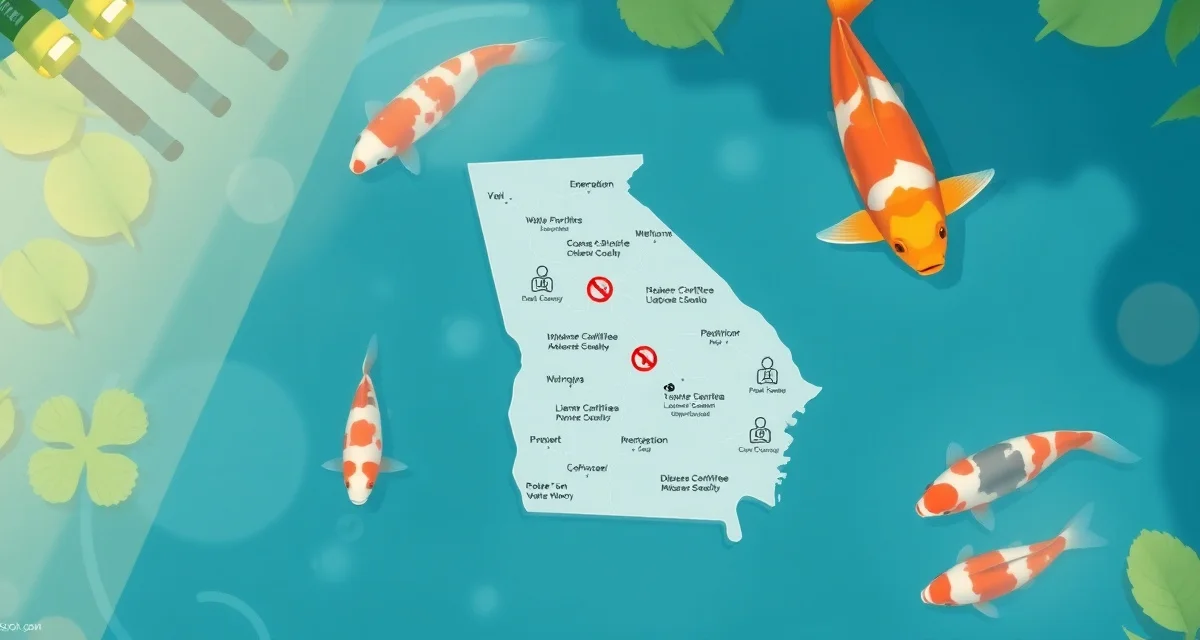
Georgia Koi Pond Regulations for Hobbyists: WRD Rules Explained
Georgia WRD restricts koi importation from states with active KHV or SVCV outbreaks, requiring health certificates from all fish sources. This is a disease-prevention regulation that Georgia koi hobbyists and dealers need to understand. When you buy koi from an out-of-state source, you need to confirm that source isn't in a state with an active koi disease outbreak designation, and you need health certificates that document the fish are disease-free.
KoiQuanta's Georgia WRD compliance guide documents permit thresholds and health certificate requirements for private koi pond owners, covering the specific WRD requirements that apply to Georgia hobbyists.
TL;DR
- Consistent water quality monitoring is the most effective way to prevent problems with georgia koi pond regulations for hobbyists.
- Tracking trends over time reveals issues before they become visible in fish behavior.
- KoiQuanta connects observations, water data, and treatment records in one searchable history.
- Early detection based on parameter trends reduces treatment costs and fish stress.
- Seasonal changes require adjusted monitoring schedules; automated reminders help maintain consistency.
Georgia WRD Regulatory Framework for Hobbyists
Georgia Wildlife Resources Division (WRD) regulates koi under the state's Non-Game Species rules. For Georgia koi pond hobbyists:
Health certificate requirement. Georgia WRD requires health certificates for koi imported from other states. The certificates must document testing for KHV and SVCV and must come from a source in a state with no active outbreak designation for these diseases.
Source state restrictions. Georgia WRD monitors disease outbreak designations in other states and can restrict importation from states with active KHV or SVCV outbreak situations. Before importing koi, confirm the source state has no current WRD-designated outbreak that would restrict your purchase.
Hobbyist permit thresholds. Georgia WRD's permit requirements for hobbyists depend on the scale of the operation and the origin of fish. Private, small-scale hobbyist ponds with fish from compliant sources generally operate without requiring specific WRD hobbyist permits, but health certificate requirements apply.
No-release prohibition. Georgia WRD prohibits releasing koi into Georgia waterways. Unauthorized introduction of non-native species into Georgia waters is a violation of WRD regulations.
The Georgia WRD requirements are buried in the Non-Game Species regulatory framework and aren't prominently publicized. KoiQuanta's Georgia compliance guide surfaces the requirements that apply to private pond owners clearly.
What Health Certificates Should Include
Georgia WRD health certificate requirements for imported koi should include:
- Source facility name and address
- Date of fish examination
- Fish quantity and species
- KHV (koi herpesvirus) test result
- SVCV (spring viremia of carp) test result
- Certifying veterinarian signature and license information
- Statement of absence of other reportable diseases
KoiQuanta's health certification module stores these documents for each fish purchase, making them accessible if WRD inquires about your fish source.
The koi dealer software for Georgia covers the commercial dealer side of Georgia's regulatory framework. The Southeast koi hobbyist resources guide covers broader management context.
Frequently Asked Questions
Can I import koi to Georgia without a health certificate?
No. Georgia WRD requires health certificates for all koi imported from out-of-state sources, whether for commercial or hobbyist purposes. The certificate must document negative testing for KHV and SVCV and must come from a source in a state with no active WRD-designated outbreak of these diseases.
What WRD rules apply to Georgia koi hobbyists?
Georgia WRD requires health certificates for all imported koi, restricts importation from states with active KHV or SVCV outbreak designations, and prohibits release of koi into Georgia natural waterways. Specific permit requirements depend on operation scale and fish source. KoiQuanta's Georgia WRD compliance guide covers current requirements for private pond owners.
How does KoiQuanta track health certificate compliance in Georgia?
KoiQuanta's health certification module stores health certificates for each fish purchase with the source, date, and test result information. The system can flag certifications that are incomplete, expired, or from source states with current outbreak designations. Georgia WRD compliance documentation is maintained in the same cloud-based system as your pond management records.
What is Georgia Koi Pond Regulations for Hobbyists: WRD Rules Explained?
[FAQ_ANSWER_PLACEHOLDER: This answer needs to be generated by AI with specific data, examples, and actionable advice relevant to Georgia Koi Pond Regulations for Hobbyists: WRD Rules Explained. Target 50-150 words.]
How much does Georgia Koi Pond Regulations for Hobbyists: WRD Rules Explained cost?
[FAQ_ANSWER_PLACEHOLDER: This answer needs to be generated by AI with specific data, examples, and actionable advice relevant to Georgia Koi Pond Regulations for Hobbyists: WRD Rules Explained. Target 50-150 words.]
How does Georgia Koi Pond Regulations for Hobbyists: WRD Rules Explained work?
[FAQ_ANSWER_PLACEHOLDER: This answer needs to be generated by AI with specific data, examples, and actionable advice relevant to Georgia Koi Pond Regulations for Hobbyists: WRD Rules Explained. Target 50-150 words.]
What are the benefits of Georgia Koi Pond Regulations for Hobbyists: WRD Rules Explained?
[FAQ_ANSWER_PLACEHOLDER: This answer needs to be generated by AI with specific data, examples, and actionable advice relevant to Georgia Koi Pond Regulations for Hobbyists: WRD Rules Explained. Target 50-150 words.]
Who needs Georgia Koi Pond Regulations for Hobbyists: WRD Rules Explained?
[FAQ_ANSWER_PLACEHOLDER: This answer needs to be generated by AI with specific data, examples, and actionable advice relevant to Georgia Koi Pond Regulations for Hobbyists: WRD Rules Explained. Target 50-150 words.]
How long does Georgia Koi Pond Regulations for Hobbyists: WRD Rules Explained take?
[FAQ_ANSWER_PLACEHOLDER: This answer needs to be generated by AI with specific data, examples, and actionable advice relevant to Georgia Koi Pond Regulations for Hobbyists: WRD Rules Explained. Target 50-150 words.]
What should I look for when choosing Georgia Koi Pond Regulations for Hobbyists: WRD Rules Explained?
[FAQ_ANSWER_PLACEHOLDER: This answer needs to be generated by AI with specific data, examples, and actionable advice relevant to Georgia Koi Pond Regulations for Hobbyists: WRD Rules Explained. Target 50-150 words.]
Is Georgia Koi Pond Regulations for Hobbyists: WRD Rules Explained worth it?
[FAQ_ANSWER_PLACEHOLDER: This answer needs to be generated by AI with specific data, examples, and actionable advice relevant to Georgia Koi Pond Regulations for Hobbyists: WRD Rules Explained. Target 50-150 words.]
Related Articles
- Koi Pond Regulations in Texas: TPWD Rules for Koi Dealers and Hobbyists
- Virginia Koi Pond Regulations for Hobbyists: DGIF Rules for Private Ponds
Sources
- Associated Koi Clubs of America (AKCA)
- Koi Organisation International (KOI)
- University of Florida IFAS Extension Aquaculture Program
- Fish Vet Group
- Water Quality Association