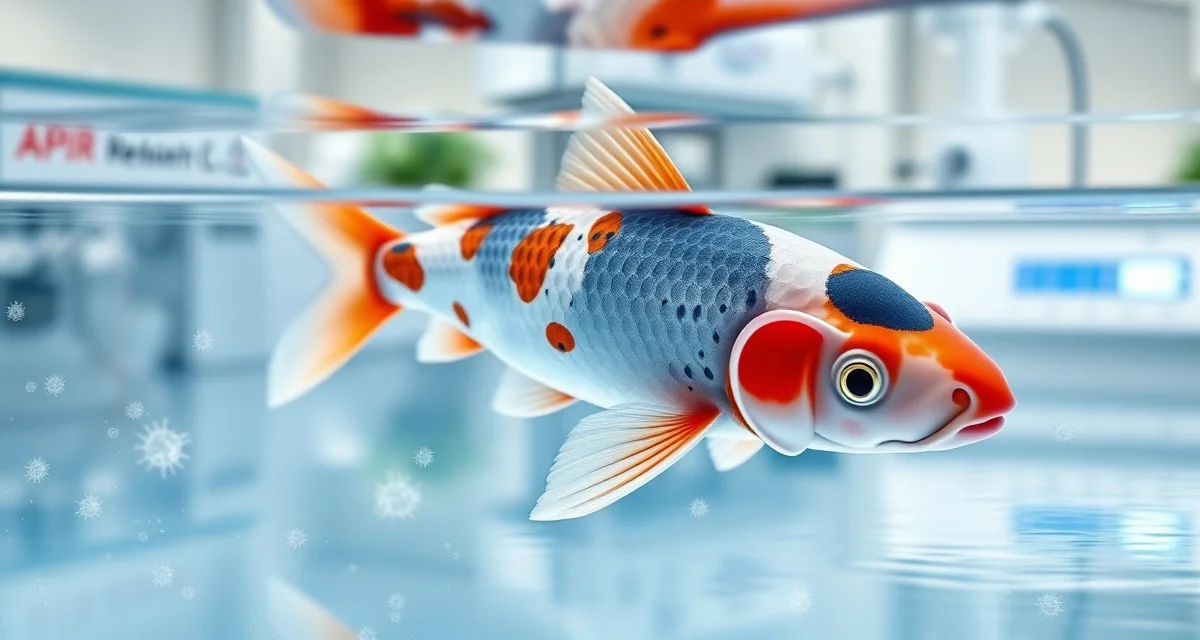
Largemouth Bass Virus Risk for Koi Ponds: What to Know
LMBV has been detected in over 20 US states and can survive in water for up to 3 days outside a host fish. For most koi pond owners, Largemouth Bass Virus (LMBV) represents a background risk rather than an immediate concern - koi are not a preferred host and clinical disease in koi from LMBV is rare. But the risk is not zero, and understanding the pathways of potential contamination helps you manage it.
KoiQuanta's water source contamination risk tracker flags when pond water is shared with or sourced from natural waterways where LMBV may be present.
TL;DR
- Consistent water quality monitoring is the most effective way to prevent problems with largemouth bass virus risk for koi ponds.
- Tracking trends over time reveals issues before they become visible in fish behavior.
- KoiQuanta connects observations, water data, and treatment records in one searchable history.
- Early detection based on parameter trends reduces treatment costs and fish stress.
- Seasonal changes require adjusted monitoring schedules; automated reminders help maintain consistency.
What LMBV Is
Largemouth Bass Virus is a megalocytivirus in the family Iridoviridae. It causes significant mortality in largemouth bass (Micropterus salmoides) populations and has been documented causing disease events in other centrarchid fish. It's formally known as Largemouth Bass Virus (LMBV) or Ranavirus.
LMBV is primarily a concern for recreational fisheries management because of its documented impact on bass populations in affected water bodies. For koi pond owners, the relevant question is whether the virus can affect koi and how it might enter a closed ornamental pond system.
Can LMBV Affect Koi?
The evidence is limited and mixed. Koi (Cyprinus carpio) are cyprinids - a very different family from the centrarchids (bass, sunfish) that are LMBV's primary hosts. Laboratory infection studies have shown that koi can be infected with LMBV under experimental conditions, but clinical disease in naturally exposed koi has not been well-documented.
The practical risk is real but low:
- Koi appear to have moderate susceptibility to LMBV
- Wild largemouth bass living in or near koi ponds could theoretically serve as a source
- Water shared with natural waterways where LMBV is endemic could introduce virus
- The 3-day environmental survival of LMBV means contaminated water reaching a koi pond could theoretically introduce viable virus
For most koi pond owners, LMBV is not a primary health concern. For dealers or facilities with ponds that directly access natural waterways, or who use surface water from potentially affected areas as a water source, the risk deserves consideration.
Water Source Risk
Groundwater (wells): Lowest risk. Underground filtration generally eliminates viruses effectively. Well water is essentially LMBV-safe.
Municipal treated water: LMBV is inactivated by standard water treatment including chlorination. Chlorinated municipal water is LMBV-safe after dechlorination.
Surface water from natural sources: This is the primary risk pathway. Streams, rivers, ponds, and lakes in LMBV-affected areas carry potential risk. This includes using stream water for pond top-up or having pond water directly connected to a natural waterway.
Shared water systems: If your pond shares water with neighboring ponds that have wild fish access, or is in a flood zone where natural waterway water could enter during flood events, LMBV contamination is a theoretical pathway.
Signs of Viral Disease in Koi
LMBV in koi, if it does cause disease, would likely present as:
- Sudden mortality events without obvious bacterial or parasitic cause
- Hemorrhage
- Lethargy and loss of equilibrium
- Disorientation
These signs are nonspecific and overlap with many other conditions. Laboratory testing (PCR for LMBV specific sequences) is required for definitive diagnosis.
If you experience unexplained sudden mortality in your koi pond, particularly with wild fish in or near the pond or surface water input, LMBV should be on the differential list for your vet or state fish health laboratory.
Prevention Measures
Water source selection: Use well water or municipal water rather than surface water for pond filling and top-up. This eliminates the primary contamination pathway.
Exclude wild fish: Ensure your pond doesn't have open access to natural waterways where wild bass could enter. Screen any inflows that could bring wild fish.
Equipment hygiene: LMBV survives on wet equipment surfaces. If you handle wild fish anywhere, standard equipment disinfection (bleach or Virkon) before using that equipment near your koi pond is appropriate.
Log water sources in KoiQuanta: KoiQuanta's water source logging creates the documentation trail that identifies potential contamination events if unexplained disease occurs. If you used surface water for a water change and koi developed unexplained illness shortly after, that logged entry becomes diagnostically important.
The Broader Viral Disease Context
LMBV is one of several viral diseases that can potentially enter koi ponds through shared water or wild fish contact. The koi herpesvirus management guide covers the higher-priority viral risk for koi keepers. The quarantine documentation for dealers framework covers how to document and manage viral disease exposure risk in commercial settings.
Frequently Asked Questions
Should I be concerned about LMBV in my koi pond?
For most koi pond owners using well water or municipal water, LMBV is a background concern rather than an immediate risk. Koi are not the primary host for LMBV, and clinical disease in koi from LMBV is not commonly documented. The risk increases if you use surface water from natural waterways as a water source, if your pond is directly connected to or accessible from natural waterways, or if you have wild largemouth bass or other centrarchids in or near your pond. If these risk factors apply to your situation, water source management and equipment hygiene are the practical preventive measures.
How do I prevent wild fish virus contamination in my koi pond?
The primary prevention is water source management: use groundwater or municipal water rather than surface water from natural streams, ponds, or rivers. Exclude wild fish from your pond by ensuring there are no open connections to natural waterways. If you fish for wild bass and then handle your koi pond equipment, disinfect equipment between these activities. Log your water sources in KoiQuanta so you have a record of any surface water additions that could serve as a contamination timeline reference if unexplained health events occur.
What are the signs of viral disease in koi?
Viral disease in koi typically presents as sudden unexplained mortality, lethargy, loss of equilibrium, hemorrhagic lesions, or behavioral changes (surface activity, disorientation) without a clear bacterial or parasitic cause. The KHV presentation - sudden mass mortality with gill pallor, sunken eyes, and skin lesions - is the most clinically distinctive viral disease in koi. Other viral diseases including SVC and LMBV produce less characteristic presentations that overlap significantly with bacterial disease. Laboratory PCR testing is required for definitive viral diagnosis. If you experience unexplained mortality despite normal water quality and no detected parasites or bacteria, viral disease should be considered and a vet or state fish health laboratory consulted.
What is Largemouth Bass Virus Risk for Koi Ponds: What to Know?
[FAQ_ANSWER_PLACEHOLDER: This answer needs to be generated by AI with specific data, examples, and actionable advice relevant to Largemouth Bass Virus Risk for Koi Ponds: What to Know. Target 50-150 words.]
How much does Largemouth Bass Virus Risk for Koi Ponds: What to Know cost?
[FAQ_ANSWER_PLACEHOLDER: This answer needs to be generated by AI with specific data, examples, and actionable advice relevant to Largemouth Bass Virus Risk for Koi Ponds: What to Know. Target 50-150 words.]
How does Largemouth Bass Virus Risk for Koi Ponds: What to Know work?
[FAQ_ANSWER_PLACEHOLDER: This answer needs to be generated by AI with specific data, examples, and actionable advice relevant to Largemouth Bass Virus Risk for Koi Ponds: What to Know. Target 50-150 words.]
What are the benefits of Largemouth Bass Virus Risk for Koi Ponds: What to Know?
[FAQ_ANSWER_PLACEHOLDER: This answer needs to be generated by AI with specific data, examples, and actionable advice relevant to Largemouth Bass Virus Risk for Koi Ponds: What to Know. Target 50-150 words.]
Who needs Largemouth Bass Virus Risk for Koi Ponds: What to Know?
[FAQ_ANSWER_PLACEHOLDER: This answer needs to be generated by AI with specific data, examples, and actionable advice relevant to Largemouth Bass Virus Risk for Koi Ponds: What to Know. Target 50-150 words.]
How long does Largemouth Bass Virus Risk for Koi Ponds: What to Know take?
[FAQ_ANSWER_PLACEHOLDER: This answer needs to be generated by AI with specific data, examples, and actionable advice relevant to Largemouth Bass Virus Risk for Koi Ponds: What to Know. Target 50-150 words.]
What should I look for when choosing Largemouth Bass Virus Risk for Koi Ponds: What to Know?
[FAQ_ANSWER_PLACEHOLDER: This answer needs to be generated by AI with specific data, examples, and actionable advice relevant to Largemouth Bass Virus Risk for Koi Ponds: What to Know. Target 50-150 words.]
Is Largemouth Bass Virus Risk for Koi Ponds: What to Know worth it?
[FAQ_ANSWER_PLACEHOLDER: This answer needs to be generated by AI with specific data, examples, and actionable advice relevant to Largemouth Bass Virus Risk for Koi Ponds: What to Know. Target 50-150 words.]
Related Articles
- Summer Koi Disease Risks: Heat, Parasites, and Oxygen Crashes
- Winter Koi Disease Risks: What Threatens Fish During Dormancy
Sources
- Associated Koi Clubs of America (AKCA)
- Koi Organisation International (KOI)
- University of Florida IFAS Extension Aquaculture Program
- Fish Vet Group
- Water Quality Association