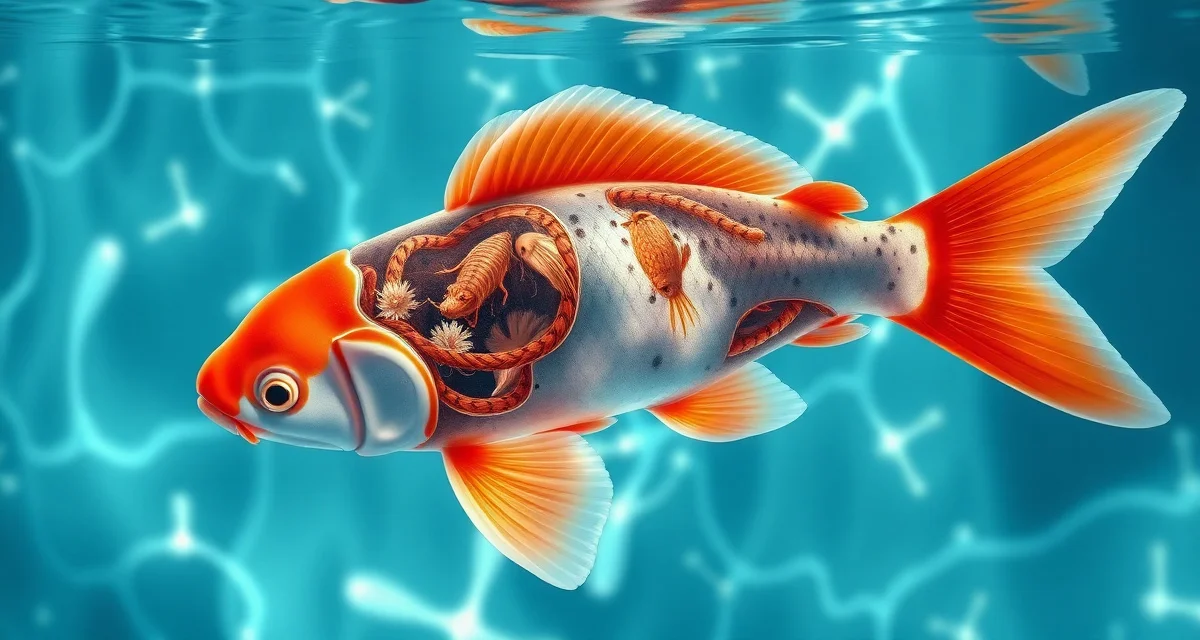
Internal Parasite Treatment for Koi: Deworming Protocol
Internal parasites in koi are significantly underdiagnosed due to the difficulty of clinical signs. Unlike external parasites (flukes, trichodina) where you can see behavioral signs and confirm with a skin scrape, internal parasites are harder to identify because they're inside the fish and produce non-specific symptoms.
KoiQuanta's protocol type selection distinguishes external from internal parasite treatment workflows. No competitor differentiates internal from external parasite treatment in a meaningful way.
TL;DR
- Consistent water quality monitoring is the most effective way to prevent problems with internal parasite treatment for koi.
- Tracking trends over time reveals issues before they become visible in fish behavior.
- KoiQuanta connects observations, water data, and treatment records in one searchable history.
- Early detection based on parameter trends reduces treatment costs and fish stress.
- Seasonal changes require adjusted monitoring schedules; automated reminders help maintain consistency.
What Internal Parasites Affect Koi
Tapeworms (Cestodes): Several tapeworm species affect koi, including Bothriocephalus acheilognathi (Asian tapeworm), which is one of the most pathogenic internal parasites of cyprinid fish. Tapeworms live in the intestine and absorb nutrients directly from the fish's gut.
Roundworms (Nematodes): Several nematode species affect koi, living in the intestine, body cavity, or organs. Camallanus is a well-known genus that can cause significant disease.
Internal protozoa: Hexamita and related protozoan species can infect the gut and organ tissues of koi. These are different from the external protozoa (trichodina, chilodonella) more commonly discussed in koi management.
Signs of Internal Parasite Infection
Internal parasite signs are non-specific and easily confused with other conditions:
- Weight loss despite normal or increased appetite: The parasites are consuming nutrients, leaving the fish in a caloric deficit despite eating normally
- Abdominal distension combined with thin flanks: Paradoxical appearance of swollen abdomen but visible weight loss in the muscle mass
- Poor growth compared to similar fish: Fish with heavy internal parasite loads grow significantly slower than parasite-free fish of the same age
- Visible parasites in feces: Sometimes tapeworm segments or whole worms are visible in droppings. This is diagnostic when present.
- Lethargy and reduced activity: Advanced internal parasite loads cause general debilitation
- Pale feces: Can indicate parasitic interference with digestion
The absence of specific symptoms is why internal parasites are underdiagnosed. A fish that's slightly thinner than expected, growing more slowly than it should, or mildly less active than its pond mates may be attributed to genetics or dietary factors rather than parasitism.
Diagnosis
Definitive diagnosis requires:
Fecal examination: Collecting fresh feces (catch the fish briefly and wait, or examine droppings visible at the bottom of the quarantine tank) and examining under microscopy for parasite eggs or segments.
Post-mortem examination: If a fish dies, examination of the gut contents reveals tapeworms or roundworms directly. This is diagnostically useful even if it doesn't help the deceased fish.
Clinical suspicion: In fish from high-risk sources (wild-caught, imported from regions where certain parasites are endemic), empirical treatment may be appropriate without confirmed diagnosis.
Treatment: Praziquantel for Tapeworms
Praziquantel is the most accessible and widely effective treatment for tapeworm infections in koi. The same medication used for external flukes (dactylogyrus, gyrodactylus) also treats internal tapeworm species.
Administration: Medicated food is more effective than bath treatment for internal parasites. Praziquantel-medicated food brings the medication directly to the intestine where the parasites reside, rather than relying on absorption through the skin and gills.
Dose: Medicated food formulations vary. Follow manufacturer dosing guidelines for internal parasite treatment specifically (often different from bath treatment doses). Treat for 5-7 days with medicated food.
Availability: Hikari and other koi food brands produce medicated koi food products. Some compounding pharmacies prepare custom medicated food with prescription.
The koi prazi treatment guide covers praziquantel usage for both external and internal parasites.
Treatment: Levamisole for Roundworms
Levamisole is the most effective treatment for nematode (roundworm) infections in koi. Praziquantel is not effective against roundworms.
Obtaining levamisole: Levamisole is available in some countries as a livestock dewormer (sold for cattle and swine) and as a laboratory reagent. In the US, it's available from some aquatic suppliers for use in fish. Veterinary prescription may be required in some states.
Administration: Bath treatment or medicated food. Bath treatment exposes the entire pond system. Medicated food is more targeted.
Caution: Levamisole affects the nervous system of parasites and at overdose can stress fish. Accurate dosing is important. Use the KoiQuanta dose calculator with your quarantine tank volume.
Prevention
Quarantine new fish: Internal parasites can be transmitted between fish in shared water and through cannibalism or scavenging of infected fish. Quarantining new arrivals prevents introduction of internal parasites to your collection.
Source fish responsibly: Fish from wild-caught sources and some import origins carry higher internal parasite risk than domestically bred fish from well-managed facilities.
Include praziquantel in routine quarantine: The standard quarantine prophylactic protocol (praziquantel for flukes) also provides some coverage for susceptible tapeworm species. Including internal parasite treatment in routine quarantine reduces risk.
Clean pond management: Remove dead fish immediately. Koi can ingest tapeworm larvae from copepods (tiny crustaceans) present in ponds. UV sterilization reduces copepod populations.
How Often to Deworm
Routine deworming on a fixed schedule is not standard practice for well-managed koi ponds in most situations. Instead:
- Include praziquantel as part of any quarantine protocol (covers external flukes and some tapeworm species)
- Treat specifically when internal parasite signs are observed or suspected
- Consider empirical treatment for fish from high-risk sources
For breeding operations and facilities with consistent internal parasite problems identified through diagnostic testing, a more systematic treatment schedule may be appropriate. Work with a fish veterinarian to establish the right protocol for your specific situation.
Frequently Asked Questions
How do I know if my koi has internal parasites?
Internal parasites produce non-specific signs that are easy to attribute to other causes: gradual weight loss despite normal appetite, slower growth compared to similar fish, abdominal distension combined with visible muscle wasting, occasional visible parasites or segments in feces, and general lethargy. The most diagnostic sign is seeing actual parasites or segments in fresh feces. Because these signs aren't definitive without microscopic fecal examination, internal parasites are frequently missed in routine management. If you suspect internal parasites without seeing parasites directly, empirical treatment with praziquantel (for tapeworms) is a reasonable low-risk step.
What treats internal parasites in koi?
Praziquantel is the primary treatment for tapeworm (cestode) infections in koi. Medicated food containing praziquantel is more effective than bath treatment for internal parasites because it delivers the medication directly to the gut where the parasites reside. Levamisole treats roundworm (nematode) infections, for which praziquantel is not effective. Metronidazole treats Hexamita and some other internal protozoan infections. Correct identification of the parasite type is important because treatments are not interchangeable across parasite categories.
How often should I deworm koi?
Routine deworming on a fixed schedule isn't standard practice for well-managed hobbyist ponds. The most important time to treat for internal parasites is during quarantine of new fish, where including praziquantel in the standard protocol provides tapeworm coverage alongside external fluke treatment. Treat for suspected internal parasites when signs (weight loss despite good appetite, visible parasites in feces, slow growth) are present. For facilities with documented recurrent internal parasite problems, work with a fish veterinarian to establish a protocol appropriate to your specific situation and the specific parasites involved.
What is Internal Parasite Treatment for Koi: Deworming Protocol?
A koi deworming protocol is a structured treatment plan targeting internal parasites such as tapeworms (Bothriocephalus acheilognathi), roundworms, and flukes living inside the digestive tract and organs. Because internal parasites produce non-specific symptoms like weight loss, lethargy, and poor body condition, the protocol relies on scheduled treatment rather than waiting for visible signs. It typically involves anthelmintic medications like praziquantel or flubendazole administered through medicated food or water baths, combined with water quality monitoring before, during, and after treatment.
How much does Internal Parasite Treatment for Koi: Deworming Protocol cost?
Treatment costs vary depending on pond size, medication choice, and severity of infestation. Medicated koi food containing praziquantel or flubendazole typically runs $20–$60 per treatment course for a small to medium pond. Larger ponds requiring water-bath dosing can cost more in product volume. Veterinary diagnosis via fecal examination adds cost but improves accuracy. Preventive deworming on a seasonal schedule is generally more cost-effective than reactive treatment after fish health has already declined significantly.
How does Internal Parasite Treatment for Koi: Deworming Protocol work?
Anthelmintic medications are delivered either through medicated food the fish eat directly, or dissolved into the pond water as a bath treatment. The active compounds disrupt the parasite's nervous system or metabolic processes, killing or paralyzing worms so they pass from the fish naturally. A full course typically spans 3–7 days. Water parameters must remain stable throughout, as stressed fish absorb medications differently. KoiQuanta's protocol workflows help track dosing schedules and water readings in a single log.
What are the benefits of Internal Parasite Treatment for Koi: Deworming Protocol?
Deworming reduces the internal parasite burden that silently degrades fish health over months. Benefits include improved nutrient absorption, better growth rates, stronger immune response, and reduced susceptibility to secondary bacterial infections. Because internal parasites are chronically underdiagnosed, treating proactively often explains unexplained weight loss or poor condition that other interventions failed to resolve. Early treatment also prevents parasites spreading through a collection, particularly important in ponds with multiple fish or recent new additions.
Who needs Internal Parasite Treatment for Koi: Deworming Protocol?
Any koi keeper who has introduced new fish, received fish from an auction or dealer, or noticed unexplained wasting, lethargy, or poor appetite despite good water quality should consider deworming. High-value collections, koi that have traveled to shows, and ponds in regions where Bothriocephalus acheilognathi is endemic are at elevated risk. Seasonal deworming twice per year is a sensible preventive measure even without visible symptoms, since internal parasites are frequently present without obvious clinical signs.
How long does Internal Parasite Treatment for Koi: Deworming Protocol take?
A standard deworming course runs 3–7 days for medicated food protocols, with praziquantel-based treatments often effective in a single 24-hour bath. However, the full protocol including pre-treatment water quality stabilization, the treatment window, and a post-treatment monitoring period typically spans 2–3 weeks. Some parasites require a repeat course 2–4 weeks later to catch juveniles that survived the first treatment. Water temperature affects drug efficacy, so treatment timing relative to seasonal conditions matters.
What should I look for when choosing Internal Parasite Treatment for Koi: Deworming Protocol?
Look for a protocol that distinguishes internal from external parasites, since the medications and delivery methods differ significantly. Choose treatments with proven efficacy against target species — praziquantel for tapeworms and flukes, flubendazole for roundworms. Verify the product concentration and calculate dosing accurately by pond volume. Avoid treating during temperature extremes or when fish are already stressed. A good protocol includes pre-treatment health assessment, clear dosing instructions, and a follow-up monitoring schedule to confirm the treatment worked.
Is Internal Parasite Treatment for Koi: Deworming Protocol worth it?
Yes, for any koi keeper managing a collection of value or caring about long-term fish health. Internal parasites are chronic, difficult to detect, and steadily degrade fish condition without obvious warning signs. A structured deworming protocol costs relatively little compared to the value of healthy, well-conditioned koi and the expense of treating secondary infections that parasites enable. Combined with consistent water quality monitoring, deworming is one of the highest-return preventive health practices in koi husbandry.
Related Articles
- Koi Dropsy Treatment Protocol: Isolation, Antibiotics, and Recovery Tracking
- Acriflavine Treatment for Koi: Fungal and Bacterial Protocol
- Standardize Koi Treatment Protocols Across Your Dealer Operation
Sources
- Associated Koi Clubs of America (AKCA)
- Koi Organisation International (KOI)
- University of Florida IFAS Extension Aquaculture Program
- Fish Vet Group
- Water Quality Association