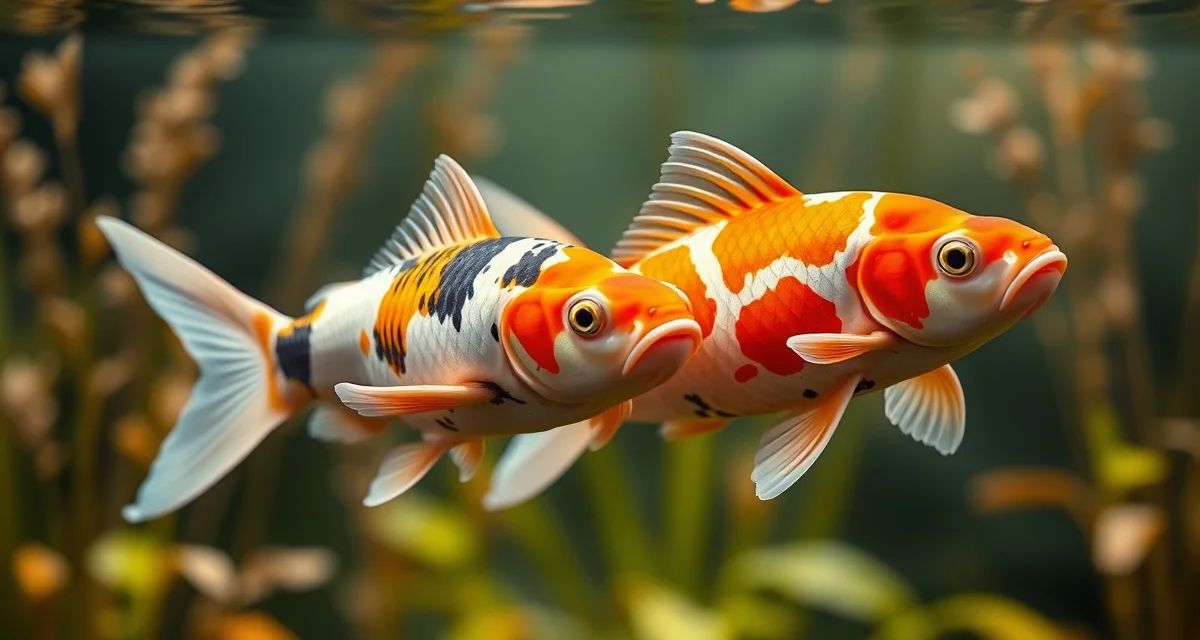
Koi Breeding Pair Selection: Genetics and Quality Guide
The top 5% of koi offspring by quality come from specifically selected parent pairs. Random pairing produces mostly culls. If you're breeding koi, the selection of the parent male and female is the single most important decision you'll make for the quality of the spawn.
KoiQuanta's breeder profiles link parent pairs to offspring batch performance records. No competitor tracks breeding pair records and outcomes the way KoiQuanta does.
TL;DR
- Generally, females should be at least 40cm (16 inches) for productive breeding.
- Many breeders use a water change with cooler water followed by a gradual temperature rise over 24-48 hours as the spawning trigger.
- For the female, prioritize pattern quality for the variety, appropriate body size and condition (minimum 40cm for reliable breeding), confirmed egg maturity (distended abdomen), and a clean health history.
- Use 2-3 males per female to ensure fertilization.
- Both parents should be in excellent health with no current disease issues, optimal body condition from pre-breeding conditioning diet, and appropriate size (female at least 40cm).
- After 2-3 spawning seasons with the same pair, you have real data on what that combination produces.
The Foundation: What Determines Offspring Quality
Koi genetics are complex because most desirable koi traits are polygenic (controlled by multiple genes) and many are incompletely dominant. This means predicting offspring quality from parent quality requires experience and an understanding of the specific genetics involved in each variety.
That said, several principles are consistent across varieties:
Select for the traits you want in offspring. A parent with excellent pattern symmetry and a clean white base produces offspring with higher probability of those same characteristics than a parent with poor pattern symmetry. This seems obvious, but hobbyists often breed with whatever fish they have rather than selecting specifically for the traits they want.
Both parents matter. The father (male) contributes as much to offspring genetics as the mother (female). A common mistake is selecting a high-quality female and then using any available male. The male matters as much as the female for most quality traits.
Body type is heritable. Confirm that both parents have the body shape desirable for the variety: depth of body, head shape, and fin proportions.
Selecting Female (Tosai / Female Koi)
For the female selection, look for:
Body condition: The female needs sufficient size and body condition to carry eggs to maturity. Undersized females produce fewer eggs and sometimes abort spawning attempts. Generally, females should be at least 40cm (16 inches) for productive breeding.
Pattern quality for the variety: A kohaku female with excellent hi (red) quality and clean shiro (white) produces offspring with higher probability of carrying those traits. The specific quality criteria vary by variety.
Confirmed egg maturity: A female ready to spawn has a noticeably rounded, distended abdomen. You can also check maturity by gently pressing the abdomen; eggs ready for spawning produce visible roe from a slight pressure. Never force pressure.
Health history: A female with a history of disease events, particularly systemic disease that may have affected reproductive organs, is a less reliable breeding candidate than a fish with a clean health record. KoiQuanta's fish health timeline tells you this history clearly.
Selecting Male (Go-sanke and Other Varieties)
Male selection is often given less attention than it deserves. Consider:
Pattern and quality: Males with excellent quality in the specific traits you're breeding for produce offspring that carry those genetics. A Kohaku male with superior hi quality and pattern symmetry contributes those characteristics to offspring.
Size relative to female: Males can be smaller than females (and often are, as females grow larger), but males that are extremely small relative to the female may have difficulty with spawning behavior.
Milt quality: A male that has been observed to spawn previously and produce viable offspring is preferable to an untested male. First-time males may not spawn effectively.
Multiple males: Using 2-3 males with one female increases the probability of successful fertilization. The female may release eggs at different times during spawning, and having multiple males present ensures fertilization opportunities throughout the event.
Genetic Considerations by Variety
Kohaku: Breed high-quality hi (red pattern) to high-quality hi. The white base tends to breed more consistently than the red pattern. A female with stable, kiwa-sharp edged hi contributes that sharpness to offspring probability.
Sanke: Sumi (black) genetics in Sanke are unpredictable. A Sanke x Sanke breeding can produce offspring with variable sumi expression. Pairing Kohaku x Sanke often produces a higher proportion of Kohaku offspring with cleaner patterns, while full Sanke x Sanke produces more Sanke with variable quality.
Showa: Showa x Showa breeding produces some Showa and some offspring with incomplete sumi expression. Experienced Showa breeders often have specific lines where sumi quality is consistent.
Ogon: Metallic single-color varieties breed more predictably than patterned varieties. Ogon x Ogon produces high proportions of metallic offspring.
The koi genetics variety selection guide covers the specific genetic principles for each major variety in more depth.
Setting Up Breeding Records in KoiQuanta
Before any spawning event, create a breeding pair record in KoiQuanta. This includes:
- Female profile ID and male profile ID(s)
- Spawning date
- Temperature at spawning
- Spawning behavior observations (vigorous pursuit, egg release observed, etc.)
After hatching, link the fry batch record to the breeding pair. As fry develop and quality assessments are made, log culling decisions and the criteria used. When surviving fish reach marketable size, their performance feeds back into the parent pair record.
Over time, this data shows which parent pair combinations produce the highest quality offspring. This institutional knowledge is what separates systematic breeders from those who repeat the same uncertain pairings year after year.
Conditioning Parents for Breeding
Both parents need to be in excellent health and optimal body condition before breeding. Poor condition produces fewer eggs, lower fertilization rates, and weaker fry survival.
6-8 weeks before intended spawning:
- Feed a high-protein diet (40%+ protein content)
- Ensure excellent water quality in parent holding ponds
- Confirm no active health issues (use KoiQuanta to review their health timeline)
- Separate males and females to allow natural conditioning without spawning before you're ready
2-4 weeks before:
- Increase water changes to stimulate immune function
- Continue high-protein diet
Spawning trigger: Introducing cooler water followed by warming temperatures (mimicking spring conditions) stimulates spawning behavior. Many breeders use a water change with cooler water followed by a gradual temperature rise over 24-48 hours as the spawning trigger.
The koi breeding season management Connection
Breeding pair selection connects directly to the full breeding season management workflow, which covers spawning substrate preparation, egg collection, fry management, and the initial culling process. KoiQuanta's breeding module tracks all of these stages under the breeding pair record created at the parent selection stage.
Frequently Asked Questions
How do I select koi for breeding?
Select for the specific qualities you want in offspring. For the female, prioritize pattern quality for the variety, appropriate body size and condition (minimum 40cm for reliable breeding), confirmed egg maturity (distended abdomen), and a clean health history. For males, prioritize pattern quality in the traits you're breeding for, previous successful breeding history if available, and good overall health. Use 2-3 males per female to ensure fertilization. Create a breeding pair record in KoiQuanta before spawning to link offspring batch performance back to the parent combination for future reference.
What makes a good koi breeding pair?
A good breeding pair combines high-quality examples of the traits you want in offspring. Both parents should exhibit excellent quality in the variety-specific characteristics you're selecting for: sharp pattern edges for Kohaku, strong sumi for Showa, metallic luster for Ogon. Both parents should be in excellent health with no current disease issues, optimal body condition from pre-breeding conditioning diet, and appropriate size (female at least 40cm). For predictable quality output, both parents should ideally have known lineage from quality breeders. Random pairing of unselected fish produces mostly cull-grade offspring regardless of individual parent quality.
How do I know if my koi will produce quality offspring?
You can't know with certainty before your first spawn, but you can establish high probability. Selecting high-quality parents from reputable breeders with known lineage gives you the genetic foundation for quality offspring. Recording every spawn result in KoiQuanta and linking offspring quality data back to parent pairs builds the specific data for your specific fish over time. After 2-3 spawning seasons with the same pair, you have real data on what that combination produces. Most professional breeders maintain specific parent lines precisely because the offspring quality of proven pairs is more predictable than the offspring quality of untested combinations.
What is Koi Breeding Pair Selection: Genetics and Quality Guide?
[FAQ_ANSWER_PLACEHOLDER: This answer needs to be generated by AI with specific data, examples, and actionable advice relevant to Koi Breeding Pair Selection: Genetics and Quality Guide. Target 50-150 words.]
How much does Koi Breeding Pair Selection: Genetics and Quality Guide cost?
[FAQ_ANSWER_PLACEHOLDER: This answer needs to be generated by AI with specific data, examples, and actionable advice relevant to Koi Breeding Pair Selection: Genetics and Quality Guide. Target 50-150 words.]
How does Koi Breeding Pair Selection: Genetics and Quality Guide work?
[FAQ_ANSWER_PLACEHOLDER: This answer needs to be generated by AI with specific data, examples, and actionable advice relevant to Koi Breeding Pair Selection: Genetics and Quality Guide. Target 50-150 words.]
What are the benefits of Koi Breeding Pair Selection: Genetics and Quality Guide?
[FAQ_ANSWER_PLACEHOLDER: This answer needs to be generated by AI with specific data, examples, and actionable advice relevant to Koi Breeding Pair Selection: Genetics and Quality Guide. Target 50-150 words.]
Who needs Koi Breeding Pair Selection: Genetics and Quality Guide?
[FAQ_ANSWER_PLACEHOLDER: This answer needs to be generated by AI with specific data, examples, and actionable advice relevant to Koi Breeding Pair Selection: Genetics and Quality Guide. Target 50-150 words.]
How long does Koi Breeding Pair Selection: Genetics and Quality Guide take?
[FAQ_ANSWER_PLACEHOLDER: This answer needs to be generated by AI with specific data, examples, and actionable advice relevant to Koi Breeding Pair Selection: Genetics and Quality Guide. Target 50-150 words.]
What should I look for when choosing Koi Breeding Pair Selection: Genetics and Quality Guide?
[FAQ_ANSWER_PLACEHOLDER: This answer needs to be generated by AI with specific data, examples, and actionable advice relevant to Koi Breeding Pair Selection: Genetics and Quality Guide. Target 50-150 words.]
Is Koi Breeding Pair Selection: Genetics and Quality Guide worth it?
[FAQ_ANSWER_PLACEHOLDER: This answer needs to be generated by AI with specific data, examples, and actionable advice relevant to Koi Breeding Pair Selection: Genetics and Quality Guide. Target 50-150 words.]
Related Articles
- Koi Fry Culling Guide: Selection Criteria and Timing
- Koi Color Development: Diet, Environment, and Genetics
Sources
- Associated Koi Clubs of America (AKCA)
- Koi Organisation International (KOI)
- University of Florida IFAS Extension Aquaculture Program
- Fish Vet Group
- Water Quality Association