Do Plants Harbor Koi Parasites?
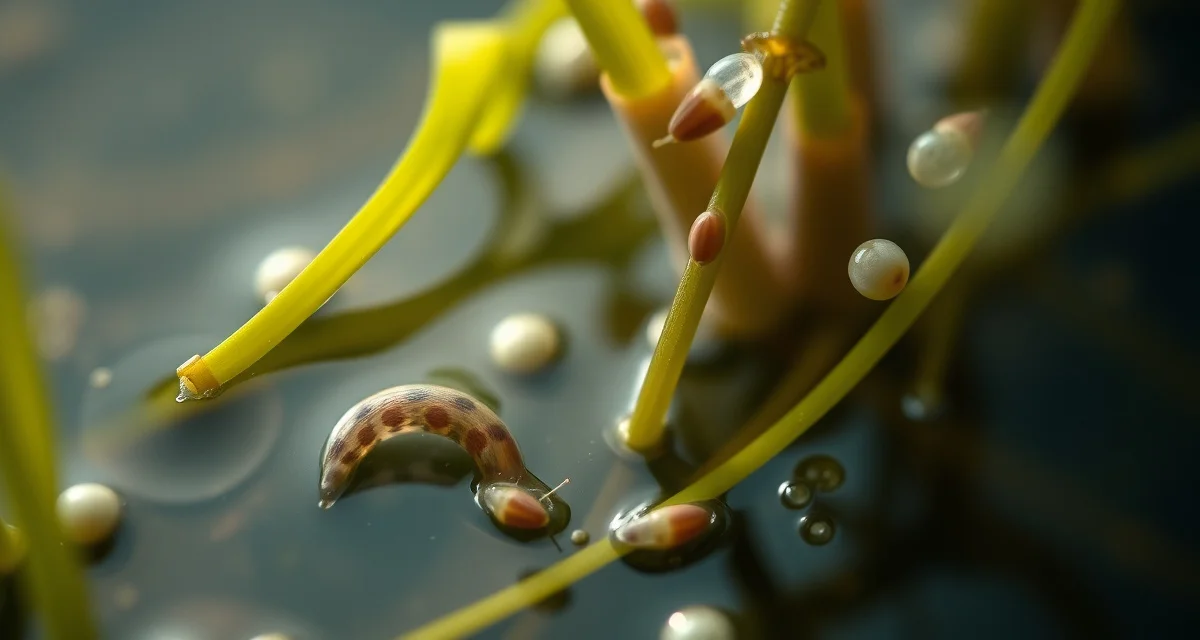
Snails introduced with pond-after-pond-treatment) plants are common vectors for anchor worm and other koi parasites. This is a documented pathway for parasite introduction that most hobbyists don't think about until after-implementation) they've had a problem.
When you quarantine-best-medications) new koi but add untreated plants directly to your display pond, you've left a back door open. Plants, snails, and the water they're transported in can all carry organisms that pose genuine risk to your koi.
TL;DR
- An alternative is a brief bleach dip (1:19 bleach to water) followed by careful rinsing and sodium thiosulfate neutralization.
- For snail-specific control, an overnight alum soak (1 tablespoon per gallon) is effective and gentler on plant tissue.
- KoiQuanta connects observations, water data, and treatment records in one searchable history.
- Early detection based on parameter trends reduces treatment costs and fish stress.
- Seasonal changes require adjusted monitoring schedules; automated reminders help maintain consistency.
TL;DR
- An alternative is a brief bleach dip (1:19 bleach to water) followed by careful rinsing and sodium thiosulfate neutralization.
- For snail-specific control, an overnight alum soak (1 tablespoon per gallon) is effective and gentler on plant tissue.
- KoiQuanta connects observations, water data, and treatment records in one searchable history.
- Early detection based on parameter trends reduces treatment costs and fish stress.
- Seasonal conditions require adjusted monitoring schedules; automated reminders maintain consistency.
How Plants Carry Parasites
Aquatic plants from outdoor pond sources, other hobbyists, or commercial nurseries grow in environments that contain wild aquatic organisms. Some of these organisms are harmless or even beneficial. Others are koi-documentation-for-sales) pathogens in various life stages.
Parasites with environmental life stages:
- Anchor worm (Lernaea): Adult females attach to fish, but eggs are released into the water and hatch into free-swimming larvae. These larvae can survive on plant surfaces and in the water around plants. If plants come from a pond with anchor worm, juvenile larvae can arrive with the plants.
- Fish lice (Argulus): Similar life cycle to anchor worm. Adults attach to fish, but eggs are deposited on submerged surfaces including plant stems and leaves. Introducing plants with attached Argulus eggs is a known vector for fish lice introduction.
- Ich (Ichthyophthirius multifiliis): The tomont (cyst) stage of Ich is free-floating and can attach to plant surfaces. If the source pond has active Ich, plants removed from that pond can carry encysted tomonts.
- Flukes (Gyrodactylus and Dactylogyrus): Primarily fish-associated, but Dactylogyrus eggs are deposited in the water and can attach to surfaces including aquatic vegetation.
- Chilodonella and other protozoa: These microscopic parasites can survive for short periods in the water surrounding plants.
The Snail Problem
Snails deserve their own category because they're such common plant hitchhikers and such effective parasite vectors.
Pond snails of various species (Physa, Lymnaea, Melanoides) attach themselves to plant stems and leaves and can survive the trip from one pond to another. Once in your pond, snails that carry parasite larvae or eggs introduce them directly into your koi population.
Snails also act as intermediate hosts for some trematode parasites. Diplostomum (eye fluke) and Posthodiplostomum (white grub) both use snails as intermediate hosts and fish as final hosts. Introducing snails from an unknown source is introducing their potential parasite load.
Beyond parasites, snails reproduce rapidly and are extremely difficult to eliminate once established. If you don't want snails in your pond (and most koi keepers don't), preventing them from arriving with plants is far easier than eliminating them afterward.
Which Plants Pose the Highest Risk?
Risk correlates with the source environment and transport conditions.
Higher risk:
- Plants from outdoor ponds at other hobbyists' properties (unknown health status)
- Plants purchased at koi shows or aquatic trade events (multiple source mixing)
- Plants from garden centers that maintain outdoor fish displays
- Wild-collected aquatic plants from natural waterways (risk of wild-strain parasites)
Lower risk:
- Tissue culture plants (sold in sealed containers, grown in sterile medium)
- Plants from reputable aquatic nurseries with indoor production systems
- Plants that have been kept indoors without contact with fish or wild water
Even "lower risk" plants warrant at minimum visual inspection and basic disinfection before introduction to your pond.
Plant Disinfection Methods
Several methods effectively eliminate parasite risk from aquatic plants. Each has trade-offs in terms of thoroughness and plant safety.
Potassium permanganate (KMnO4) dip:
A 10mg/L permanganate solution for 10-30 minutes kills most surface parasites, Ich tomonts, and algae. Plants emerge stained pink/purple and should be rinsed with clean water before introduction. Most aquatic plants tolerate this treatment; delicate plants may show some leaf damage. This is the most effective disinfection option for stubborn parasite stages.
Bleach (sodium hypochlorite) dip:
A 10-minute soak in 1 part household bleach to 19 parts water (approximately 0.5% solution), followed by thorough rinsing in clean water and a brief soak in sodium thiosulfate solution to neutralize residual chlorine. Highly effective against bacteria, algae, and many parasites. Can damage delicate plants - better for hardier species.
Alum (aluminum sulfate) soak:
A 24-hour soak in 1 tablespoon of alum per gallon of water kills most organisms including snails and their eggs. Less effective against resistant cyst stages but safer for plants. A good option for snail control specifically.
Salt dip:
A brief dip in 3% salt solution (30g/L) for 5-10 minutes kills many surface parasites. Less effective than permanganate or bleach but very plant-safe.
Manual removal:
Remove all visible snails, snail eggs, and any attached organisms by hand before disinfection. This makes any disinfection method more effective by reducing the organic load.
Should You Quarantine Plants?
Quarantining plants - keeping them in a tank separate from your koi for a period - is not a practical parasite elimination method by itself, but it can help identify snails that weren't visible initially and allows you to observe whether any organisms become visible over time.
A plant quarantine period of 1-2 weeks allows:
- Snails that were hidden to become visible and be removed
- Any attached Ich tomonts to complete their life cycle (the free-swimming theront stage can be identified)
- A check on plant health before commitment to your main pond
Plant quarantine is most useful as a complement to disinfection, not a replacement for it. Disinfect first, then observe in a separate container before introducing to your display pond.
KoiQuanta's plant introduction logging captures the introduction as a potential parasite vector timeline event. If your pond develops a parasite problem in the weeks following a plant addition, that logged event becomes diagnostically important - connecting the introduction to the outbreak and guiding your response. Your parasite quarantine protocol and the details in koi pond plants work together to give you a complete picture.
Frequently Asked Questions
Can pond plants introduce parasites to my koi?
Yes. Plants from outdoor ponds or natural sources can carry parasite eggs, larvae, and free-swimming stages attached to leaf surfaces and stems. Snails that hitchhike with plants are particularly effective parasite vectors, carrying organisms that can survive the transport period and thrive in your pond. The most commonly introduced parasites through plants include anchor worm larvae, fish lice eggs, Ich tomonts, and via snails, certain trematode parasites that use mollusks as intermediate hosts. Risk is highest with plants from other hobbyists' outdoor ponds or wild-collected sources.
How do I disinfect plants before adding to a koi pond?
The most effective method is a potassium permanganate dip at 10mg/L for 10-30 minutes, followed by thorough rinsing. This kills most surface parasites, snail eggs, and Ich tomonts. An alternative is a brief bleach dip (1:19 bleach to water) followed by careful rinsing and sodium thiosulfate neutralization. Always manually remove any visible snails and snail egg clusters before disinfection. For snail-specific control, an overnight alum soak (1 tablespoon per gallon) is effective and gentler on plant tissue.
Should I quarantine plants before adding them to my koi pond?
Quarantining plants in a separate container for 1-2 weeks is useful but not sufficient on its own. It helps identify hidden snails that become visible over time and provides an observation window for any organisms that were attached. But it doesn't kill parasite eggs or tomonts already present. The best approach combines disinfection (to eliminate organisms at the time of introduction) with a short observation period before the plants enter your display pond. Log any plant introductions in KoiQuanta so you have a timeline reference if your pond develops a parasite problem in the following weeks.
What records should I keep during this type of event?
Record the date, water temperature, and full parameter readings (ammonia, nitrite, pH, dissolved oxygen), a description of observed signs in each affected fish, any treatments applied with dose and rationale, and the fish's response at 24, 48, and 72 hours post-treatment. These records in KoiQuanta build the health history that makes future events faster to diagnose and treat.
What is Do Plants Harbor Koi Parasites??
[FAQ_ANSWER_PLACEHOLDER: This answer needs to be generated by AI with specific data, examples, and actionable advice relevant to Do Plants Harbor Koi Parasites?. Target 50-150 words.]
How much does Do Plants Harbor Koi Parasites? cost?
[FAQ_ANSWER_PLACEHOLDER: This answer needs to be generated by AI with specific data, examples, and actionable advice relevant to Do Plants Harbor Koi Parasites?. Target 50-150 words.]
How does Do Plants Harbor Koi Parasites? work?
[FAQ_ANSWER_PLACEHOLDER: This answer needs to be generated by AI with specific data, examples, and actionable advice relevant to Do Plants Harbor Koi Parasites?. Target 50-150 words.]
What are the benefits of Do Plants Harbor Koi Parasites??
[FAQ_ANSWER_PLACEHOLDER: This answer needs to be generated by AI with specific data, examples, and actionable advice relevant to Do Plants Harbor Koi Parasites?. Target 50-150 words.]
Who needs Do Plants Harbor Koi Parasites??
[FAQ_ANSWER_PLACEHOLDER: This answer needs to be generated by AI with specific data, examples, and actionable advice relevant to Do Plants Harbor Koi Parasites?. Target 50-150 words.]
How long does Do Plants Harbor Koi Parasites? take?
[FAQ_ANSWER_PLACEHOLDER: This answer needs to be generated by AI with specific data, examples, and actionable advice relevant to Do Plants Harbor Koi Parasites?. Target 50-150 words.]
What should I look for when choosing Do Plants Harbor Koi Parasites??
[FAQ_ANSWER_PLACEHOLDER: This answer needs to be generated by AI with specific data, examples, and actionable advice relevant to Do Plants Harbor Koi Parasites?. Target 50-150 words.]
Related Articles
- Malachite Green for Koi: Use and Safety Considerations-malachite-green)
Sources
- Associated Koi Clubs of America (AKCA)
- Koi Organisation International (KOI)
- University of Florida IFAS Extension Aquaculture Program
- Fish Vet Group
- Water Quality Association
Sources
- Associated Koi Clubs of America (AKCA)
- Koi Organisation International (KOI)
- University of Florida IFAS Extension Aquaculture Program
- Fish Vet Group
- Water Quality Association