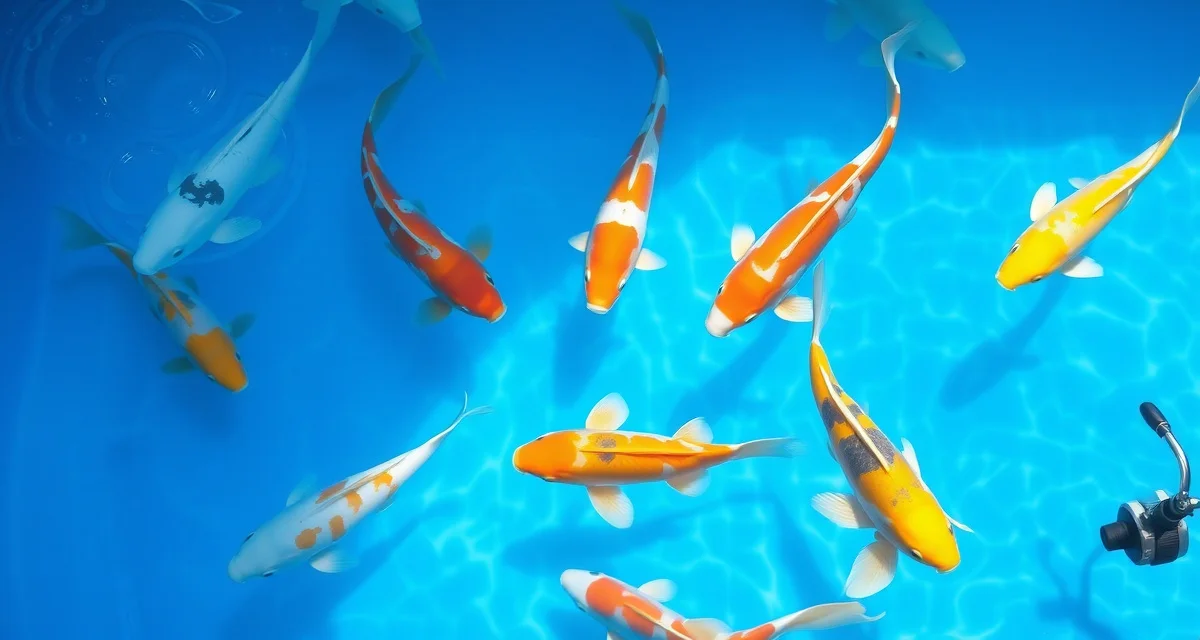
Quarantine After Whole-Pond Disease Treatment
Premature reintroduction after pond treatment-prophylactic-treatment) is the most common cause of treatment recurrence. Fish moved back to the display pond before-implementation) they've fully recovered, before the treatment course is complete, or before the pond environment is confirmed clear represent an almost certain path to a second disease-second-opinion) event.
KoiQuanta-best-medications)'s reintroduction protocol tracks the post-treatment holding and observation period. No competitor manages the reintroduction phase after display pond treatment as a formal protocol step.
TL;DR
- The 7-day clean observation period is the discharge criterion.
- Watch closely for 2 days after each reintroduction.
- Disease recurrence after pond treatment almost always appears within the first 2-3 weeks.
- If you reach 3 weeks with no recurrence and clean parameter readings, the outbreak is resolved.
- For antiparasitic treatment, account for the pathogen life cycle - ich treatment requires at least 2 full cycles.
- For antibacterial treatment, the full course is typically 5-10 days depending on the product.
- The earliest realistic reintroduction is 2-3 weeks after the decision to treat, with longer periods for complex outbreaks.
TL;DR
- The 7-day clean observation period is the discharge criterion.
- Watch closely for 2 days after each reintroduction.
- Disease recurrence after pond treatment almost always appears within the first 2-3 weeks.
- If you reach 3 weeks with no recurrence and clean parameter readings, the outbreak is resolved.
- For antiparasitic treatment, account for the pathogen life cycle - ich treatment requires at least 2 full cycles.
- For antibacterial treatment, the full course is typically 5-10 days depending on the product.
- The earliest realistic reintroduction is 2-3 weeks after the decision to treat, with longer periods for complex outbreaks.
Why Reintroduction Requires a Protocol
When disease appears in a display pond and some fish are isolated for individual treatment while others are treated in the pond, you end up with fish in different locations at different stages of recovery. The risk moment is when you decide to put them back together.
The display pond may have been treated but still contain residual pathogens or medication. Fish isolated for treatment may have resolved their clinical signs but still have subclinical infection or parasite burden. The stress of the transfer event can trigger recurrence even in fish that appear recovered.
A post-treatment reintroduction protocol eliminates the guesswork about when it's safe to reunite your collection.
What Changes After Whole-Pond Treatment
Whole-pond treatment with antiparasitic or antibacterial medications changes the pond environment in several ways:
Residual medication: Many medications persist in the water column or bind to substrate for days to weeks after treatment completion. Fish reintroduced before medication clears are exposed to sub-therapeutic concentrations that may stress them without fully treating any remaining pathogens.
Biological filter impact: Most antibacterial treatments affect the biological filter to some degree. After whole-pond antibiotic treatment, expect some nitrification capacity reduction. Testing for ammonia and nitrite before reintroduction confirms the filter has recovered.
Pathogen status uncertainty: Whole-pond treatment reduces pathogen load but may not eliminate it. Fish that appeared healthy through the treatment period may still carry subclinical infection.
Changed pond chemistry: Treatment products often affect pH, dissolved oxygen, or other parameters. Confirm parameters are stable before adding stress from fish transfers.
Step 1: Complete the Full Treatment Course
Don't shorten treatment because fish look better. The treatment duration is set to address the pathogen life cycle, not just the visible signs. Parasites in particular have life stages that aren't affected by treatment - the free-swimming stage is the vulnerable one, not the encysted stage.
If you're treating for:
- Ich (white spot): Complete at least two full treatment cycles. The treatment targets the free-swimming theront stage, not the encysted trophont. Stopping after initial sign resolution misses fish that haven't yet had encysted stages hatch.
- Flukes: Complete the second treatment dose (days 7-14 after first dose) to address parasites that were developing during the first treatment.
- Bacterial infections: Complete the full antibiotic course. Early discontinuation when signs improve leaves resistant survivors.
Log each treatment dose in KoiQuanta with the date and dose. The completion date is confirmed from the log, not from the fish's visual appearance.
Step 2: Confirm the Pond Environment Is Clear
Before reintroduction, test:
Ammonia and nitrite: Zero for both. If either is elevated, your biological filter is not operating correctly. Reintroducing fish to a pond with elevated ammonia or nitrite adds physiological stress to fish that may already be immunocompromised from the disease event.
Dissolved oxygen: Minimum 6 mg/L. Some treatments depress oxygen; confirm it's recovered.
pH: Stable within normal range. Test in the morning (when pH is lowest) and afternoon (when it's highest from photosynthesis) to confirm the range is acceptable.
Medication residue: For treatments requiring a water change after completion (read the product instructions), confirm the water change has been done and the appropriate interval has passed.
Step 3: Quarantine Isolated Fish Before Return
Fish that were isolated during the pond treatment period need a holding observation period before return, even if they appear fully recovered.
Minimum observation period for isolated fish:
- No disease signs for at least 7 days after clinical signs resolved
- Normal feeding response for at least 3-5 days
- Normal behaviour and normal activity level
This isn't a formal quarantine in the same sense as a new fish quarantine - these are fish that lived in your pond previously. But the observation period before return confirms they've fully recovered and aren't carrying residual infection that could re-seed the pond.
Log the isolated fish's status during this holding period in KoiQuanta using the standard observation fields. The 7-day clean observation period is the discharge criterion.
Step 4: The Transfer Process
When transferring fish back to the display pond:
Temperature match: Ensure the isolated tank and display pond are within 2°C of each other before transfer. Temperature shock stress on recovering fish is avoidable.
Net hygiene: Use disinfected nets. Don't use nets that were in the infected tank without disinfecting them first.
Acclimate gradually: Float the fish in a bag in the display pond for 15-20 minutes to equilibrate temperature before release.
Observe for 48 hours post-transfer: The transfer stress period can trigger recurrence of latent issues. Watch closely for 2 days after each reintroduction.
Step 5: Elevated Monitoring Post-Reintroduction
For at least 2-3 weeks after the full collection is reunited, maintain elevated observation frequency. Check all fish daily. Log any sign deviations.
Disease recurrence after pond treatment almost always appears within the first 2-3 weeks. If you reach 3 weeks with no recurrence and clean parameter readings, the outbreak is resolved.
If recurrence appears, you have the records of the treatment course, the isolation period, and the reintroduction to review. This helps identify whether the recurrence was from incomplete treatment, premature reintroduction, or a residual pathogen source that wasn't addressed.
The koi quarantine discharge criteria covers the standard criteria for determining when isolated fish are ready for return. The koi quarantine after treatment guide covers the extended post-treatment observation approach.
Frequently Asked Questions
How long after pond treatment can I return koi to the main pond?
The minimum waiting period after whole-pond treatment depends on the treatment type, but a general framework is: complete the full treatment course (don't shorten based on visual improvement), perform any required water change, test parameters until ammonia and nitrite are zero and pH is stable, then observe isolated fish for 7 clean days before return. For antiparasitic treatment, account for the pathogen life cycle - ich treatment requires at least 2 full cycles. For antibacterial treatment, the full course is typically 5-10 days depending on the product. The earliest realistic reintroduction is 2-3 weeks after the decision to treat, with longer periods for complex outbreaks.
Should I quarantine koi after treating the whole pond?
Fish isolated from the pond for individual treatment should be held in observation for at least 7 days of clean signs before return, even after the display pond treatment is complete. This isn't a full new-fish quarantine; it's a recovery confirmation period. Fish that cleared the pond treatment without isolation can be observed in situ. The critical check before reuniting any isolated fish with the pond population is confirming the display pond has clear parameters (zero ammonia, stable pH, adequate oxygen) and completed its treatment course. Reintroducing isolated fish to a pond mid-treatment or before parameters recover adds risk.
What do I observe before reintroducing koi post-treatment?
For isolated fish: 7 days of no disease signs, normal feeding response for at least 3-5 days, and normal behaviour. For the display pond: zero ammonia and nitrite, dissolved oxygen above 6 mg/L, pH stable within normal range, and any required post-treatment water changes completed. At transfer: temperature within 2°C between tank and pond, disinfected equipment. After transfer: elevated daily observation for 2-3 weeks watching for disease recurrence. Log everything in KoiQuanta. If recurrence appears, the records of the treatment course, isolation period, and reintroduction give you the information to determine whether the cause was incomplete treatment, premature reintroduction, or residual contamination.
What records should I keep during this type of event?
Record the date, water temperature, and full parameter readings (ammonia, nitrite, pH, dissolved oxygen), a description of observed signs in each affected fish, any treatments applied with dose and rationale, and the fish's response at 24, 48, and 72 hours post-treatment. These records in KoiQuanta build the health history that makes future events faster to diagnose and treat.
What is Quarantine After Whole-Pond Disease Treatment?
[FAQ_ANSWER_PLACEHOLDER: This answer needs to be generated by AI with specific data, examples, and actionable advice relevant to Quarantine After Whole-Pond Disease Treatment. Target 50-150 words.]
How much does Quarantine After Whole-Pond Disease Treatment cost?
[FAQ_ANSWER_PLACEHOLDER: This answer needs to be generated by AI with specific data, examples, and actionable advice relevant to Quarantine After Whole-Pond Disease Treatment. Target 50-150 words.]
How does Quarantine After Whole-Pond Disease Treatment work?
[FAQ_ANSWER_PLACEHOLDER: This answer needs to be generated by AI with specific data, examples, and actionable advice relevant to Quarantine After Whole-Pond Disease Treatment. Target 50-150 words.]
What are the benefits of Quarantine After Whole-Pond Disease Treatment?
[FAQ_ANSWER_PLACEHOLDER: This answer needs to be generated by AI with specific data, examples, and actionable advice relevant to Quarantine After Whole-Pond Disease Treatment. Target 50-150 words.]
Who needs Quarantine After Whole-Pond Disease Treatment?
[FAQ_ANSWER_PLACEHOLDER: This answer needs to be generated by AI with specific data, examples, and actionable advice relevant to Quarantine After Whole-Pond Disease Treatment. Target 50-150 words.]
How long does Quarantine After Whole-Pond Disease Treatment take?
[FAQ_ANSWER_PLACEHOLDER: This answer needs to be generated by AI with specific data, examples, and actionable advice relevant to Quarantine After Whole-Pond Disease Treatment. Target 50-150 words.]
What should I look for when choosing Quarantine After Whole-Pond Disease Treatment?
[FAQ_ANSWER_PLACEHOLDER: This answer needs to be generated by AI with specific data, examples, and actionable advice relevant to Quarantine After Whole-Pond Disease Treatment. Target 50-150 words.]
Related Articles
- Using Quarantine Documentation in Koi Sales-documentation-for-sales)
Sources
- Associated Koi Clubs of America (AKCA)
- Koi Organisation International (KOI)
- University of Florida IFAS Extension Aquaculture Program
- Fish Vet Group
- Water Quality Association
Sources
- Associated Koi Clubs of America (AKCA)
- Koi Organisation International (KOI)
- University of Florida IFAS Extension Aquaculture Program
- Fish Vet Group
- Water Quality Association